A buyer-oriented comparison of two West Palm Beach residential options, with a practical framework for evaluating walkability, daily routines, waterfront context, and long-term fit.
In South Florida, walkability is not simply a score or a radius drawn around a residence. For a luxury buyer, it is the quality of the journey: shade, crossings, sidewalk continuity, traffic rhythm, evening comfort, weather protection, and whether the destinations within reach are the ones that genuinely matter.
That distinction is especially important in West Palm Beach, where waterfront atmosphere and an increasingly urban daily life can coexist within the same broader market yet produce markedly different routines. A residence may feel connected because it offers an appealing promenade or nearby social destinations, yet still require a car for groceries, appointments, or frequent travel. Another may support practical errands while offering a different sense of arrival and privacy.
The comparison between Shorecrest Flagler Drive West Palm Beach and Banyan Tree Residences West Palm Beach should therefore begin with behavior, not broad labels. Buyers focused on walkability should ask how each setting supports the life they intend to lead.
The most useful exercise is to map a typical week. Separate essential trips from optional ones, then determine which journeys should be comfortably walkable. Morning coffee, fitness, dining, cultural plans, waterfront exercise, professional meetings, and household errands each create a different map.
A second-home owner may value leaving the car parked throughout a long weekend. A primary resident may place greater weight on pharmacies, groceries, services, and weekday appointments. Buyers who entertain frequently may prioritize an elegant pedestrian route to restaurants, while those seeking a calmer retreat may prefer selective access over constant activity at the doorstep.
This is where lifestyle becomes a concrete purchasing criterion. Instead of asking whether a property is walkable in general, ask whether it is walkable during the specific hours and seasons-and for the purposes-that define daily life.
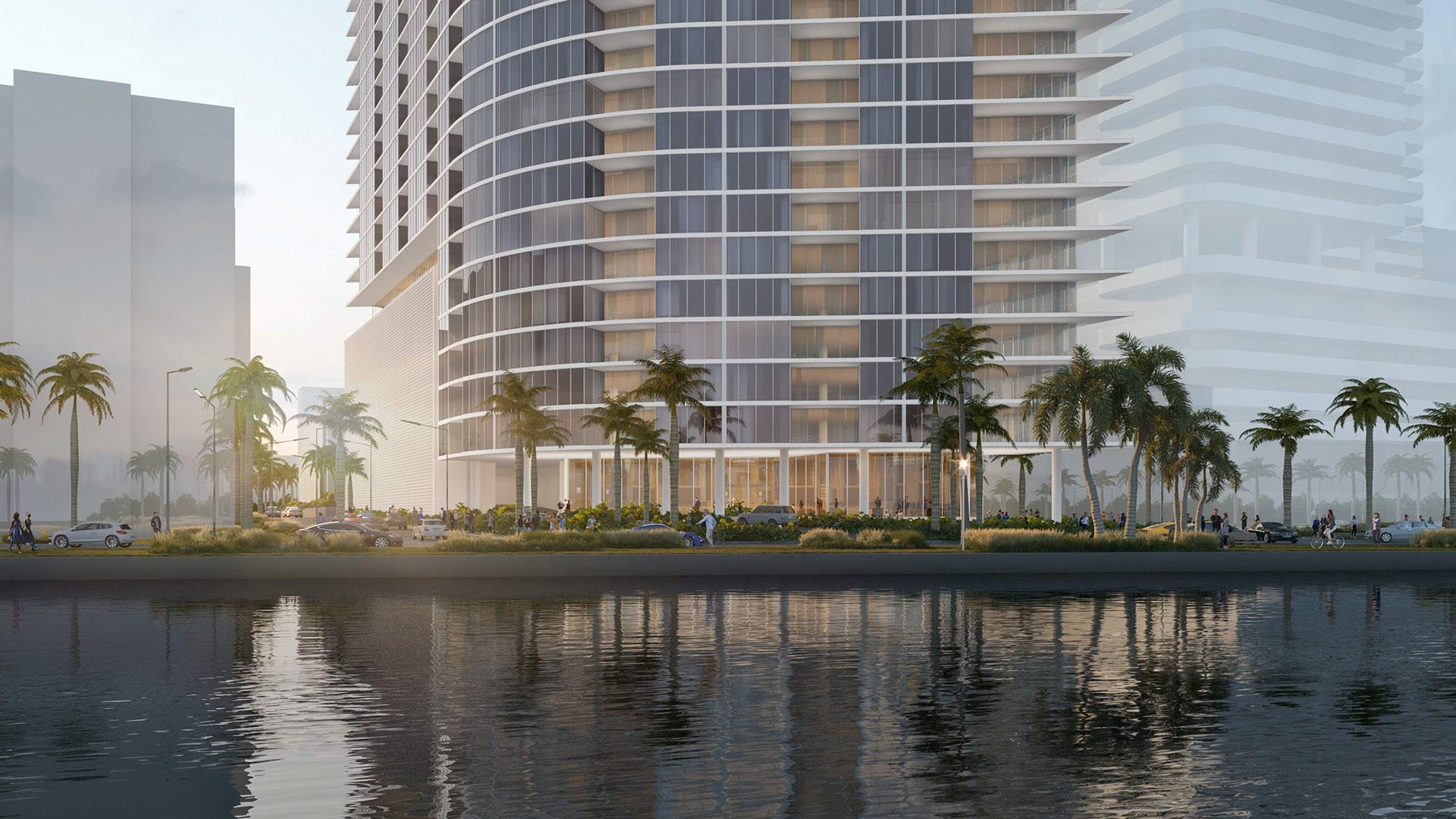
Flagler Drive carries an immediate association with the water-facing identity of West Palm Beach. For buyers considering Shorecrest, the relevant question is not merely whether the surroundings appear attractive on a map. It is how the residential threshold connects to preferred walking routes, how those routes feel at different times, and whether the waterfront experience complements practical access.
Waterfront and walkable are related concepts, but they are not interchangeable. A scenic route can be ideal for exercise and reflection without satisfying everyday errands. Conversely, a practical urban route may be efficient while lacking the sense of openness some buyers consider essential to South Florida living.
The wider Flagler Drive conversation also includes residences such as Forté on Flagler West Palm Beach. That broader field gives buyers a useful basis for comparing not only interiors and amenities, but also the transition from lobby to sidewalk-and from private residence to public realm.
Banyan Tree Residences should be assessed through the same disciplined lens, without assuming that a recognizable residential identity resolves the question of walkability. The buyer's task is to understand how the property's immediate setting relates to the destinations they expect to use most often.
A useful tour should extend beyond the direct approach by car. Walk outward in several directions. Note the quality of crossings, exposure to sun and rain, street activity, evening lighting, and the ease of returning with shopping or after dinner. Observe whether a route feels intuitive or demands detours. Small points of friction, repeated daily, often matter more than an impressive but occasional destination.
Buyers comparing multiple West Palm Beach options may also consider Mr. C Residences West Palm Beach as another reference point. The purpose is not to treat the properties as interchangeable, but to clarify how distinct locations organize a resident's day.
Luxury walkability has two layers. Leisure walkability encompasses promenades, dining, social plans, and spontaneous outings. Utility walkability covers the less glamorous but consequential needs of everyday residence. The strongest fit is not necessarily the address with the greatest number of nearby places. It is the one that best reflects the buyer's preferred balance between both layers.
For some, a beautiful morning route carries more value than the ability to walk to every errand. For others, accomplishing several tasks without retrieving a vehicle is central to ease. Couples may even define walkability differently, making it important to test both routines rather than rely on a single household assumption.
Among buyers' guides, the most useful advice is often the simplest: evaluate frequency. A destination used five times a week should carry more weight than one visited monthly, however fashionable or visually compelling the latter may be.
New-construction buyers naturally spend time studying plans, finishes, amenity programs, and views. Walkability requires a separate form of due diligence because it depends on lived conditions beyond the residence itself. Visit during a weekday morning, the midday heat, the dinner hour, and a weekend. If possible, repeat the preferred route after rain.
Time the walk rather than estimating it. Test crossings and waiting periods. Consider valet retrieval as a point of comparison: a nominally longer walk may still feel easier than requesting a vehicle for a short trip. Buyers with pets, children, guests, or mobility considerations should assess routes through the lens of those specific needs.
Future plans and neighborhood evolution may influence a decision, but the present-day experience deserves primary weight. A purchase should function comfortably under current conditions, with potential change treated as context rather than certainty.
Shorecrest and Banyan Tree offer an opportunity to distinguish between two ideas often blended together: being near desirable places and enjoying a genuinely walkable routine. The right choice will depend on the form of access the buyer values, how often it will be used, and which trade-offs feel acceptable.
Privacy, views, service, architecture, and residence design remain central to an ultra-premium purchase. Yet walkability can determine how often those qualities are enjoyed as part of a fluid day rather than an isolated private experience. The most persuasive property is the one whose setting, residence, and daily circulation function as a coherent whole.
For a final comparison, buyers should return without a sales itinerary and complete the walks that matter most. The result is more revealing than any generalized label: it shows which context feels natural, composed, and sustainable over time.
What does walkability mean for a luxury buyer? It means comfortable, attractive, and practical access to the destinations that shape the buyer's actual routine.
Are Shorecrest and Banyan Tree directly comparable? They can be compared through location fit and daily mobility, while each should be evaluated on its own residential merits.
Is waterfront access the same as urban walkability? No. A scenic waterfront route may support leisure without accommodating practical errands or frequent appointments.
How should a second-home buyer test walkability? Recreate a typical weekend, including dining, exercise, errands, and evening returns.
How should a primary resident approach the comparison? Give greater weight to recurring weekday needs, service access, weather exposure, and transportation alternatives.
When should buyers tour the surrounding streets? Visit at several times-including morning, midday, evening, and a weekend-to understand changing conditions.
Should buyers rely on walking times shown on a map? No. Walk the route and account for crossings, detours, heat, rain, and personal pace.
Do amenities compensate for a less walkable setting? They may reduce certain trips, but they do not replace access to the off-property places a resident values.
What is the most important comparison question? Ask which residence supports the greatest number of high-frequency trips with the least daily friction.
What should buyers do before making a decision? Complete an independent neighborhood walk and weigh it against the home's design, privacy, service, and overall fit.
For a confidential assessment and a building-by-building shortlist, connect with MILLION.
If branded residences are on your mind — as a home or as an allocation — we would be glad to share what we are seeing, privately.
Begin a quiet conversation