Origin and Onda offer distinct design and lifestyle propositions in Bay Harbor Islands. For art-focused buyers, the decisive comparison is written confirmation of collection care, lighting specifications, installation permissions, and shared-owner responsibilities.
For buyers sharing a residence, the most consequential luxury may be agreement: which works belong in the home, who can move them, and how the property supports their care. At Origin and Onda in Bay Harbor Islands, the meaningful comparison begins with those ownership priorities-not the assumption that a refined interior includes specialist collection services.
The available specifications for neither building establish a dedicated collection manager, curator, registrar, or formal art-advisory program. Museum-grade lighting and a defined art-installation approval process are also unconfirmed. These are matters to resolve in writing, not qualities to infer from branding, architecture, or concierge services.
The distinction is straightforward: a residence can be beautifully designed without being operationally prepared for a particular collection. Buyers should evaluate the home alongside the collection’s requirements, while keeping their respective approval, insurance, and maintenance obligations clear.
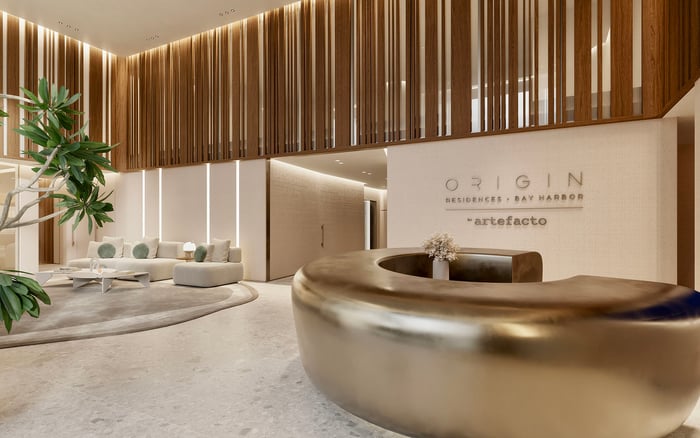
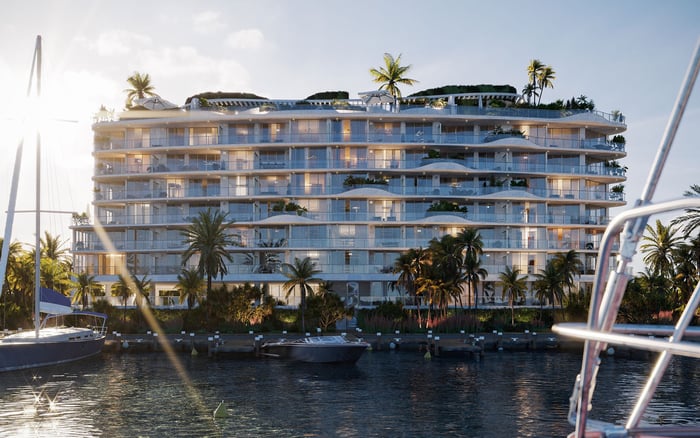
Origin Bay Harbor Islands, also identified as Origin Residences by Artefacto, is at 9760 West Bay Harbor Drive. Plans describe a seven-story, canal-front condominium with 27 residences, developed by VDA | Origin Miami, led by Mauricio Moya and Sergio Guzmán.
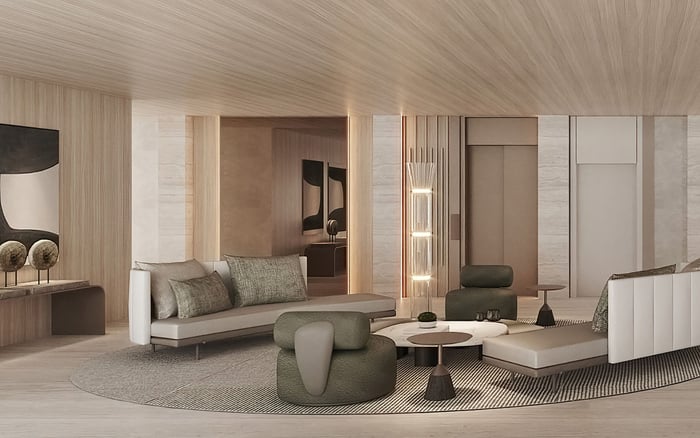
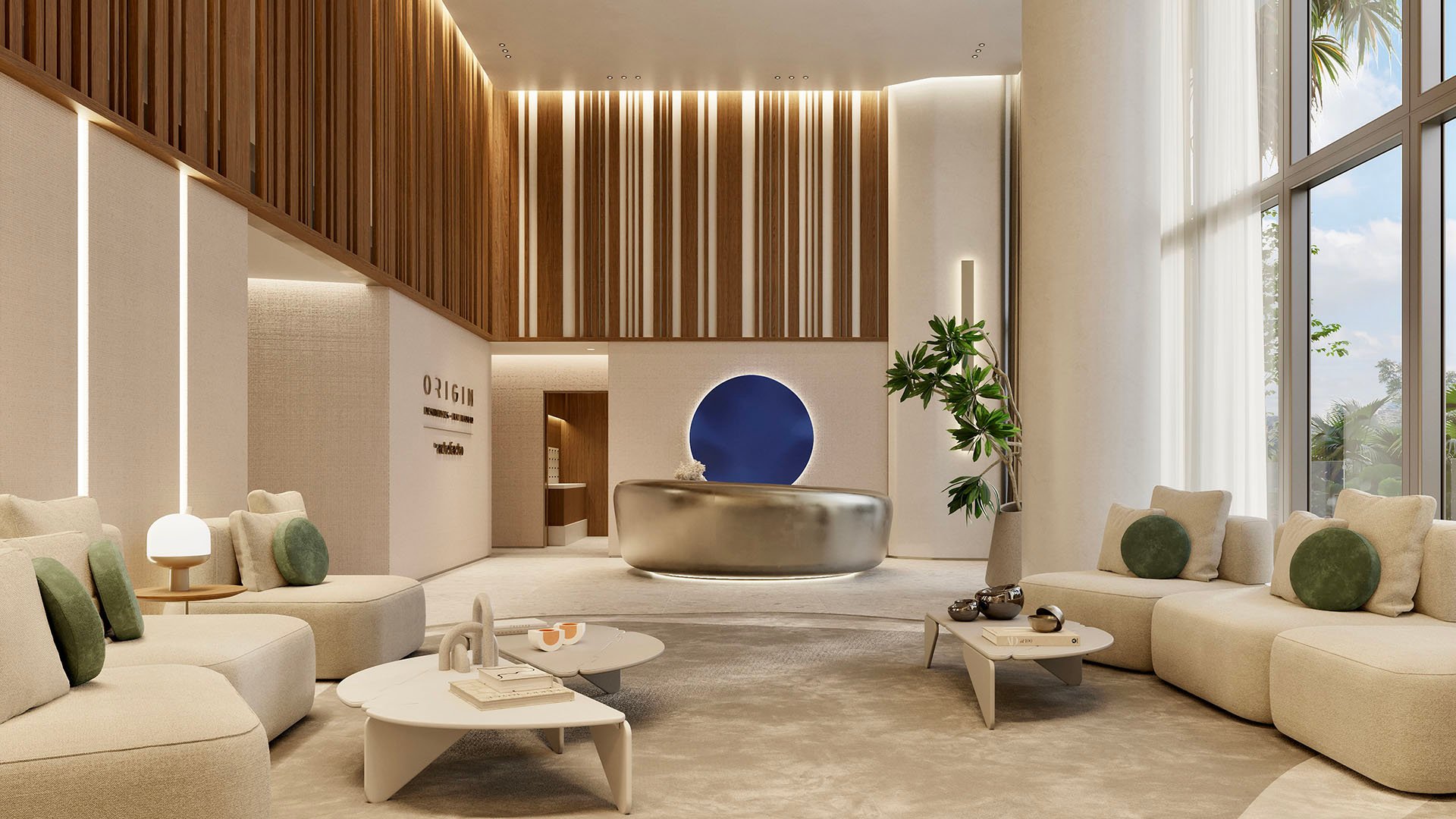
Its interiors are developed in collaboration with Artefacto, with furnished, turnkey residences and buyer customization through consultations forming its design proposition. For owners seeking a coherent interior, that provides a clear starting point. It does not establish responsibility for cataloguing, condition checks, conservation, or the coordination of loans and deliveries.
Art-focused buyers should bring an inventory and proposed placement plan to the customization discussion. Ask which furnishings can be repositioned, whether lighting changes are possible, and when wall reinforcement or electrical modifications would require separate consent. Confirm the scope and contractual status of any agreed customization.
Origin’s announced amenities include a rooftop pool, outdoor kitchens, a bar, coworking space, a gym, a children’s playroom, and a pet area. The proposed marina remains subject to city permitting and approvals and should not be treated as unconditional.
Onda Bay Harbor is identified at 1135 103rd Street. Developed by CMC Group and Morabito Properties, it is described as an eight-story waterfront condominium designed by Arquitectonica. The stated count of 41 residences should be checked against current condominium documents before being treated as definitive.
Advertised amenities include a private marina, rooftop pool, gym, spa, and yoga facilities, alongside valet, concierge or reception services, parking, storage, and security. Together, they define a waterfront and wellness proposition; they do not establish specialist art handling or collection supervision.
Shared owners should clarify whether staff may receive a crated work, who signs for it, and when responsibility passes to the owner or appointed handler. Ask whether a temporary holding location is permitted and appropriate. Never assume a storage amenity is suitable for fine art without reviewing its environmental and security provisions.
The available descriptions combine launch-era and marketing information. Current completion, occupancy, availability, and final amenity approvals require separate confirmation at either building.
“Museum-grade” should prompt a request for technical evidence, not substitute for it. Neither property’s supplied specifications establish color rendering, color temperature, beam spread, UV protection, dimming performance, or dedicated art-lighting circuits.
Ask a lighting designer and the collection’s adviser to define requirements for the actual works. The review should address fixture placement, glare, exposure, control settings, and the relationship between daylight and artificial illumination. Seek product specifications and a proposed layout rather than relying on an illuminated rendering.
Shared owners should agree who may alter lighting scenes and who approves replacement fixtures. A carefully selected setting has limited value if routine adjustments override it without consultation. Keep the approved lighting plan with the residence’s operating documents.
At Origin, explore these questions alongside the interior customization process. At Onda, establish what can be adapted within the selected residence and what requires building consent. Neither pathway should be presumed to allow unrestricted electrical or ceiling alterations.
A wall that looks ideal on a floor plan may still require technical review. Before committing to a substantial painting, sculpture, or suspended installation, request wall assemblies, allowable loads, anchoring restrictions, and any constraints on drilling or structural attachment.
Obtain the declaration, rules, owner-alteration manual, and written approval workflow. Identify the responsible decision-maker, required submission materials, and any need for specialist drawings or contractor documentation. These are questions for both buildings, not confirmed features of either approval process.
Then test the delivery route. Request elevator dimensions, corridor clearances, loading arrangements, delivery hours, and art-handler insurance requirements. Ask whether protective measures or supervision are required and how responsibility for damage is allocated.
Treat common-area display as a separate permission. Owning an artwork does not confer permission to place it in a lobby, corridor, or shared amenity. Any proposal should resolve duration, insurance, maintenance, removal, and liability in writing before installation.
Co-purchasers should distinguish ownership of the residence from ownership of the art. Ask counsel to document which works belong to whom, who can authorize relocation, and how installation, insurance, specialist maintenance, and emergency costs will be shared.
A practical protocol should name an owner representative and an alternate. It should also address access for advisers and handlers, photography permissions, inventory updates, and what happens when an owner sells an interest or removes a work. Building permission and agreement among owners are separate approvals.
Request HVAC and humidity standards, filtration details, leak-monitoring provisions, emergency procedures, and backup-power coverage. Have the relevant specialists assess suitability for the collection rather than assuming residential comfort settings provide collection protection.
Origin’s distinction is its furnished-design and customization proposition. Onda’s is its waterfront, wellness, and service amenity offering. Neither can responsibly be declared superior for collection management without written operational evidence tailored to the buyer’s needs.
If the shortlist also includes Alana Bay Harbor Islands, apply the same document requests rather than changing standards between properties. If the search extends toward Bal Harbour, maintain that discipline: compare permissions, technical suitability, and responsibilities, not simply presentation.
The strongest choice is the residence where the owners’ priorities, the collection’s requirements, and the building’s written permissions align. Resolve those three elements before treating a compelling interior as a complete collection solution.
For a discreet conversation about aligning your residence search with your collection and shared ownership priorities, connect with MILLION.
If branded residences are on your mind — as a home or as an allocation — we would be glad to share what we are seeing, privately.
Begin a quiet conversationA dedicated collection manager, curator, registrar, or formal art-advisory program is not established. Its Artefacto collaboration supports a design-led proposition rather than a confirmed collection-management service.
Onda advertises concierge or reception services, security, and storage, but these do not establish specialist art care. Buyers should confirm any requested services and responsibilities in writing.
No supplied specification establishes museum-grade lighting at either property. Request fixture details, color rendering, color temperature, beam spread, UV protection, dimming performance, and circuit information.
Origin is marketed with furnished, turnkey interiors and buyer customization through Artefacto consultations. Buyers should confirm the scope of customization and any separate building approvals.
Onda’s advertised amenities include a private marina, rooftop pool, gym, spa, and yoga facilities. Service descriptions also include valet, concierge or reception, parking, storage, and security.
Request the declaration, rules, owner-alteration manual, and written approval workflow. Also obtain technical information on wall assemblies, allowable loads, anchoring restrictions, and delivery access.
Permission is not established for either building. Obtain written approval addressing placement, insurance, maintenance, removal, and liability before proceeding.
An advertised storage amenity does not establish fine-art suitability. Review environmental conditions, security, access, and insurance requirements with the relevant specialists.
Document artwork ownership, decision rights, access, relocation permissions, and cost allocation. Keep those arrangements separate from the building’s installation approvals.
No. The proposed marina is described as subject to city permitting and approvals, so buyers should verify its current status before relying on it.