A buyer-focused review of W Pompano Beach’s advertised fitness amenities, with practical diligence on owner access, training standards, reservations, and acoustic protection.
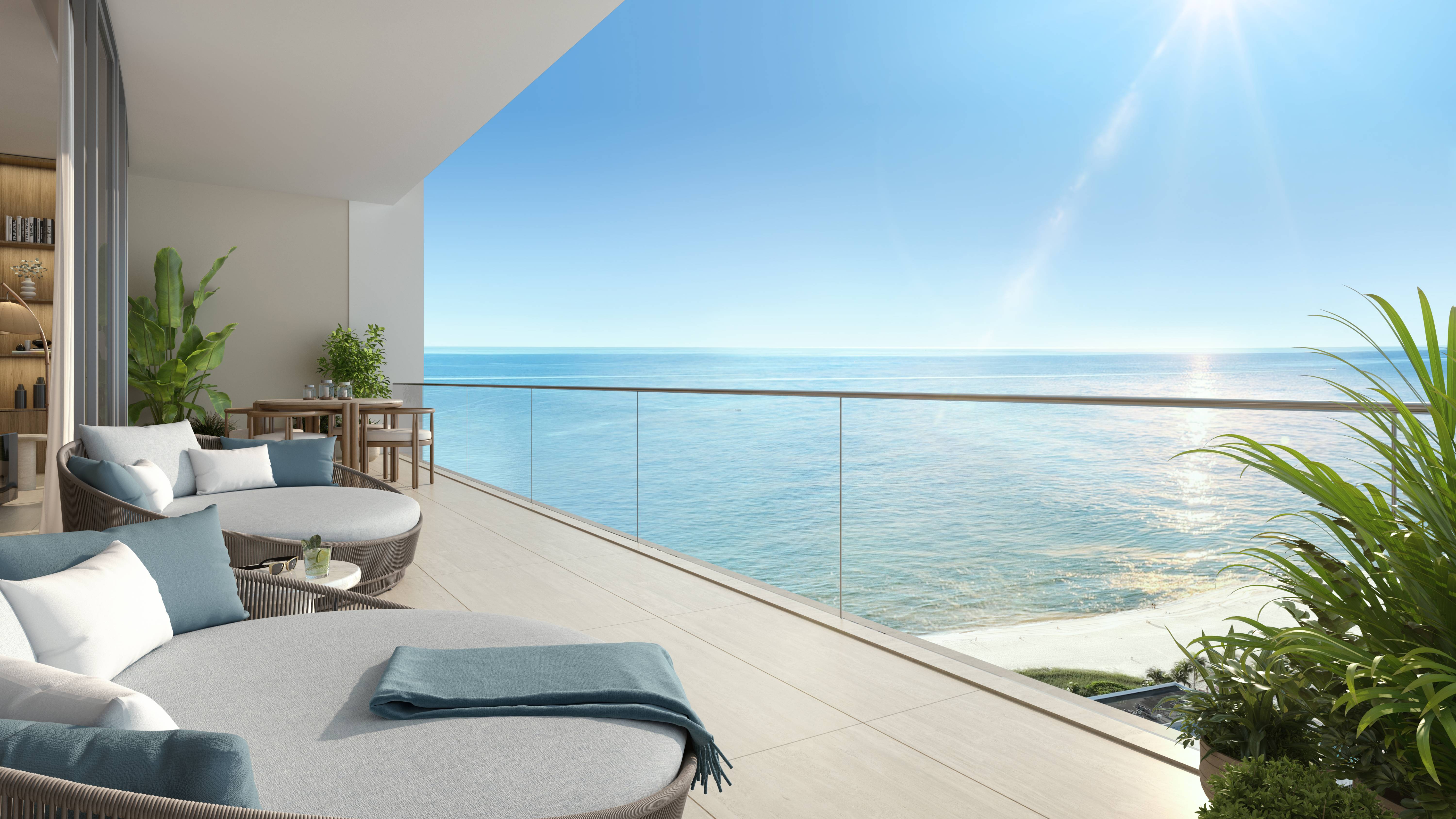
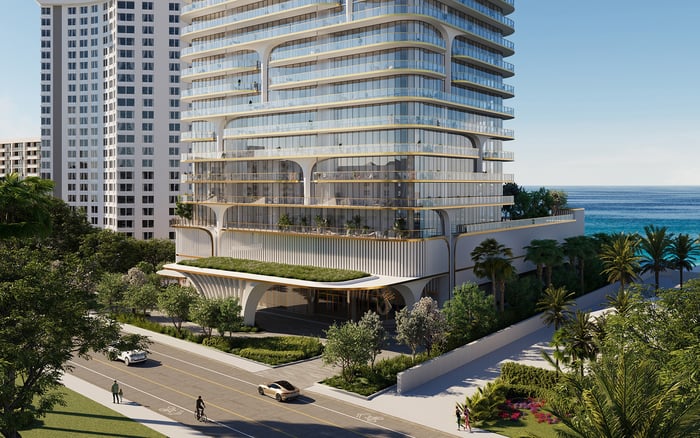
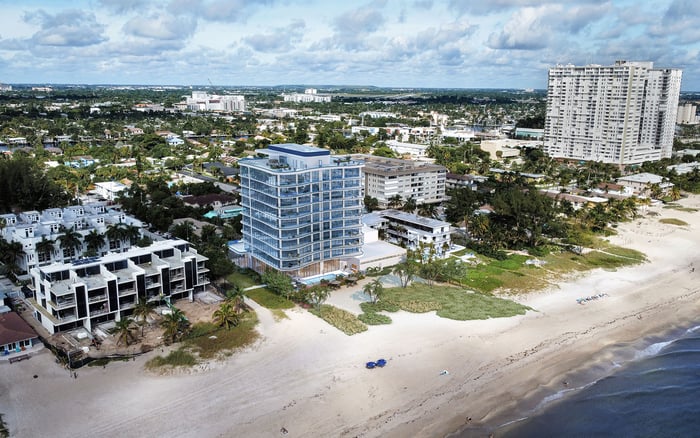
At W Pompano Beach Hotel & Residences, the appeal is an oceanfront address paired with hotel amenities and a separate collection of owner-exclusive spaces. Planned for 20 North Ocean Boulevard, Pompano Beach, Florida 33062, the project warrants a specific kind of scrutiny: not whether wellness is part of the offering, but how reliably it will serve an owner's daily routine.
For a buyer who trains before work, travels with a personal trainer, or values quiet above all else, three questions deserve written answers. How is fitness access allocated? Who establishes and verifies trainer qualifications? What protects nearby residences from impact, vibration, and mechanical noise?
Limited public disclosure does not establish that these controls are absent. It leaves them as diligence items, not benefits to assume from the brand or imagery.
The advertised owner-exclusive collection includes a private fitness center, residents' pool deck, outdoor barbecue area, and Owner's Club Lounge. Separately, the broader amenity offering includes a FIT® gym and yoga studio. A fitness center with his-and-hers sauna and steam rooms is also advertised.
The distinction matters: residential access to hotel amenities is promised alongside the owner-exclusive collection. Advertised hotel-suite access includes FIT® Gym, WET® Pool Deck, AWAY® Spa, meeting and event rooms, and The Living Room. Public-facing fitness and yoga spaces are also described, distinct from the private residential gym.
Request a marked plan identifying each fitness space, its access-control points, and the route from your intended residence. Establish which facilities are resident-exclusive, which admit hotel guests or public users, and whether circulation is shared. Do not assume the sauna, steam rooms, or yoga studio belong to the private residential component.
Gym floor areas, equipment inventories, occupancy limits, and detailed hours remain unconfirmed. Those details are essential to judging whether the private option suits your routine.
Access and availability are different promises. A booking platform, reservation windows, cancellation rules, waitlists, and owner priority over hotel guests remain unconfirmed. It is also unresolved whether reservations apply to gym entry, classes, personal training, or particular equipment.
Request the declaration, applicable rules, relevant hotel-management provisions, and written amenity operating policies. Have counsel distinguish enforceable access rights from operating arrangements that may change.
The review should address:
Hours for each fitness facility, including any scheduled closures.
Booking limits, advance windows, cancellations, and waitlist procedures.
Household, visitor, and trainer access, including any fees.
Priority between owners, hotel guests, and other permitted users.
Authority to amend rules, restrict access, or change charges.
The practical test is your own schedule. Ask management to explain how your preferred training time would work under the proposed rules. An answer that depends on future policy should remain an open purchase-review item, not become an assumed convenience.
Personal training is advertised, but the trainers, minimum certifications, insurance requirements, and training operator remain unidentified. A polished wellness setting does not, by itself, establish those safeguards.
Request the operator's identity and written standards for trainer approval. Cover minimum certifications, CPR/AED requirements, credential verification, background-check policies, and liability insurance. Ask who checks credentials, how renewals are monitored, and who handles complaints or incidents.
Distinguish among a trainer employed by the operator, an independent trainer permitted on site, and your own outside professional. Establish who is responsible for each arrangement and which insurance requirements apply.
For buyers with an established training relationship, outside-trainer access may be decisive. Confirm whether it is permitted, whether registration and insurance are required, and whether fees, scheduling restrictions, or limits on client numbers apply. None of these permissions should be inferred from the availability of personal training services.
For a noise-sensitive purchaser, the relevant amenity plan extends beyond the gym walls. Locate the intended residence relative to fitness floors, yoga areas, mechanical equipment, and shared circulation, including spaces above and below the unit.
Acoustic performance criteria and specific fitness-floor, equipment-isolation, and mechanical-noise treatments remain unconfirmed. That is not evidence of inadequate construction. It is a reason to request technical documentation before treating quiet as an established feature.
Ask for floor and wall assemblies, impact and vibration isolation details, mechanical-noise criteria, applicable sound ratings, and testing or commissioning requirements. Have an independent acoustical adviser assess whether the proposed specifications address the residence's actual relationship to the amenities. A general description of premium finishes is no substitute for those details.
Where construction status permits, inspect during active amenity use rather than relying solely on a quiet walkthrough. Seek written clarification of how documented noise concerns would be investigated, who would be responsible for corrective work, and what remedies the governing documents provide. Do not assume a particular remedy is available.
Across a Broward shortlist, compare documents rather than impressions. Buyers also considering The Ritz-Carlton Residences® Pompano Beach can apply the same questions about access, trainer approval, and acoustic specifications without presuming that its operating arrangements match W's.
Likewise, when evaluating Waldorf Astoria Residences Pompano Beach, request equivalent documentation rather than treating the brand as a proxy for owner priority or acoustic performance. This is a framework for comparison, not a conclusion about either project's policies.
For W, tie each question to the relevant facility. The private gym's rules may not answer questions about the hotel-facing gym, yoga studio, or personal training. A comparison is useful only when the spaces and rights being compared are clearly identified.
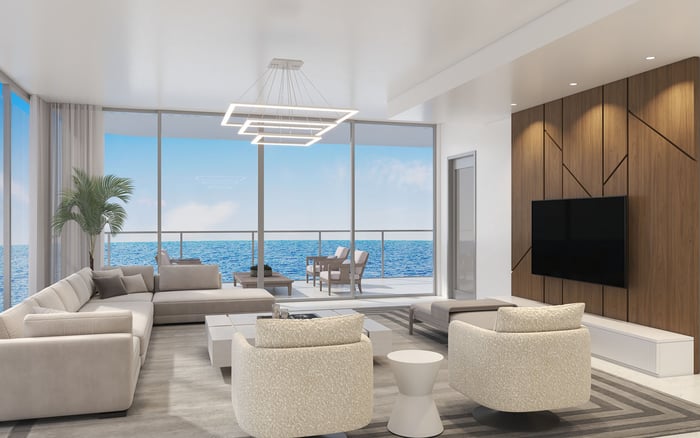
Both the Fitness Center and Resident-Exclusive Fitness Center images are labeled Artist's Conceptual Rendering. They communicate design intent, not evidence of completed equipment layouts, access controls, or acoustic performance.
Before proceeding, organize written responses into three categories: confirmed commitments, proposed policies, and unresolved matters. Ask counsel which documents govern and whether any clarification can become binding. Pay particular attention to who may change operating rules after purchase.
The objective is not to eliminate every uncertainty. It is to understand whether the promised lifestyle rests on documented rights, workable operating policies, and specifications suited to your expectations. For a buyer who values both training and tranquility, that distinction belongs at the center of the decision.
For a discreet discussion of your South Florida residential priorities, connect with MILLION.
If branded residences are on your mind — as a home or as an allocation — we would be glad to share what we are seeing, privately.
Begin a quiet conversationThe project is planned as an oceanfront development at 20 North Ocean Boulevard, Pompano Beach, Florida 33062.
Yes. A private fitness center is advertised among the owner-exclusive amenities, alongside a residents' pool deck and Owner's Club Lounge.
Buyers should not assume they are the same. The offering distinguishes private residential fitness amenities from hotel and public-facing fitness spaces, so plans and access rules should clarify the arrangement.
The supplied amenity information does not establish owner priority over hotel guests or detailed reservation rules. Request written policies for each facility.
Ask about reservation windows, booking limits, cancellations, waitlists, hours, guest access, and fees. Confirm who has authority to change those policies.
Personal training is advertised, but the supplied marketing does not identify minimum certifications, insurance requirements, or the training operator. Request written credentialing and verification standards.
Outside-trainer permissions are not established in the supplied information. Ask about registration, insurance, fees, scheduling restrictions, and client-number limits.
The supplied materials do not establish acoustic performance criteria or specific equipment-isolation and mechanical-noise treatments. Request technical specifications and any testing requirements.
The gallery labels both the Fitness Center and Resident-Exclusive Fitness Center images as Artist's Conceptual Rendering. They should not be treated as documentation of completed facilities.
Review the residence's position relative to amenity and mechanical spaces with an acoustical adviser. Where construction permits, inspect during active use and clarify corrective-work obligations and available remedies in writing.