For primary-residence buyers at Origin Bay Harbor Islands, the essential planning task is to separate estimated completion from actual title transfer, permanent residence and the January 1 homestead checkpoint. A coordinated closing calendar and truthful evidence package can support the application without confusing paperwork with eligibility.
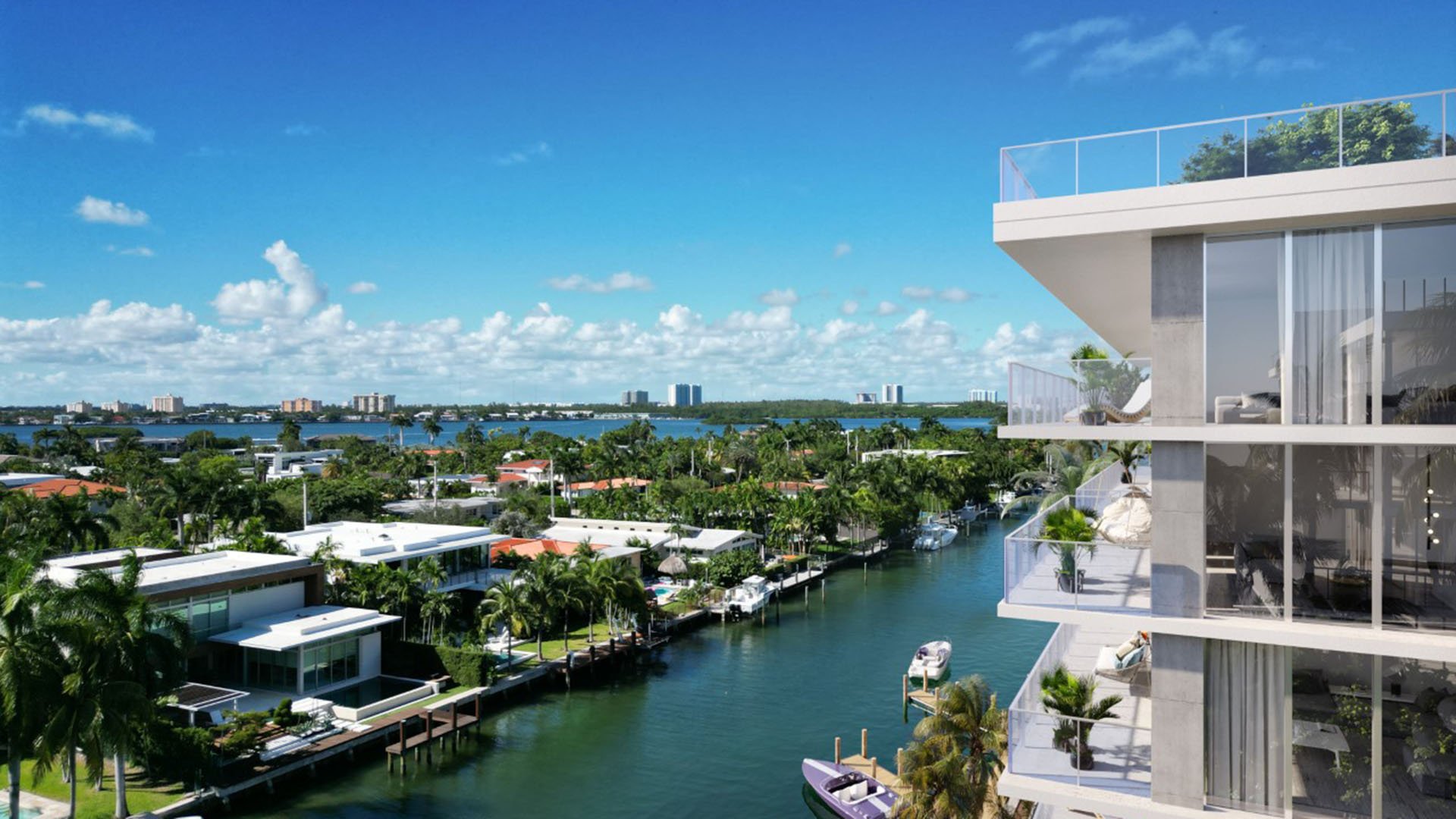
For a buyer considering Origin Bay Harbor Islands as a primary home, the closing calendar deserves the same attention as the residence itself. Origin Residences by Artefacto, at 9760 West Bay Harbor Drive, Bay Harbor Islands, FL 33154, is a 27-unit condominium project developed by VDA Development. Its estimated fourth-quarter 2026 completion raises a practical question: could ownership and genuine permanent residence be established by the next January 1?
The construction estimate alone cannot answer that question. Florida property-tax homestead eligibility requires legal or beneficial title and good-faith permanent residence on January 1 of the tax year claimed. Closing alone does not establish eligibility. The objective is not to assemble persuasive-looking paperwork before year-end, but to coordinate an actual residential transition and preserve accurate evidence of it.
Separate the estimated project completion milestone, your individual closing and move-in dates, and the January 1 eligibility checkpoint. They may fall close together, but they are not interchangeable. An estimated fourth-quarter completion does not confirm when a particular purchaser will acquire title or establish permanent residence.
Before closing, ask counsel and the closing team to distinguish the expected title-transfer date from the expected move-in date. Record both as expectations until they occur. For a household moving between homes, the decisive question is when Origin will actually become the permanent residence, not simply when funds will transfer.
Apply the same calendar discipline when comparing Bay Harbor Towers. Evaluate each purchase against its own confirmed transaction facts rather than assuming a neighborhood alternative shares Origin's estimated timing. Keep the tax-year objective separate from the property's appeal.
A late-2026 closing could support a 2027 homestead claim only if qualifying title and permanent residence are established by January 1, 2027. Treat this as a conditional planning scenario, not a promised result of buying before year-end.
Consider two illustrative outcomes. In the first, the buyer acquires qualifying title and establishes good-faith permanent residence before the checkpoint. Those facts could support the claim, subject to the property appraiser's determination. In the second, title transfers before year-end, but permanent residence is first established after January 1. The closing date alone cannot satisfy the missing residence requirement for 2027.
If qualifying title or permanent residence is first established after January 1, a later application cannot cure that year's missing condition. Before relying on an exemption in ownership planning, ask advisers to distinguish an anticipated exemption from one supported by the actual facts. The moving schedule must remain realistic even when the tax calendar is unforgiving.
Before title transfers, create a shared chronology for counsel, the closing team and the household. Identify which ownership records will document acquisition, which records may support residence, and who will retain them. The homestead application requests ownership and residency information, so dates must be consistent with the facts.
Preparation is not a declaration that a move has already occurred. Do not change an address to represent an established permanent residence before that representation is true. Likewise, do not sign a declaration of domicile based merely on an intended future move.
After residence is established, align applicable identification, vehicle, voter, utility, banking and tax records with the actual circumstances. Preserve the relevant dates rather than trying to make every document appear simultaneous. No single residency factor is conclusive; the property appraiser considers the evidence when evaluating permanent-residence intent. An organized file supports that review but does not guarantee approval.
Florida's recognized residency factors extend beyond the deed. They include a Florida driver license or identification card, surrender of another state's driver license, Florida vehicle registration and voter registration. Federal income-tax-return addresses, bank-statement addresses and utility payments at the homestead address also matter.
Depending on the household, the property appraiser may consider dependent children's school locations, employment location and evidence that previous out-of-state residency ended. Discuss these factors with advisers as applicable. They are neither instructions to manufacture ties nor a universal checklist that every purchaser must complete identically.
For buyers also considering Alana Bay Harbor Islands, the evidence question remains personal rather than project-specific. Which home is genuinely becoming the permanent residence, and what accurate records support that transition? Whether the search includes Bay Harbor Islands or Bal Harbour, the quality of the address does not replace the ownership and residence requirements.
A declaration of domicile recorded in the county where the exemption is sought is an expressly recognized factor. It documents domicile already established; swearing and recording it does not create the underlying facts. Coordinate its timing with counsel accordingly.
Miami-Dade's regular homestead application deadline is March 1 of the tax year sought. When March 1 falls on a Saturday, Sunday or legal holiday, the deadline extends to the next business day. Online homestead applications are also available.
For a potential 2027 claim, the filing calendar follows the January 1, 2027 eligibility checkpoint. Use the intervening period to assemble and review accurate ownership and residency information. It is not extra time to establish facts that had to exist on January 1.
Verify any applicable late-filing deadline for the relevant year rather than treating late filing as a standing extension. Most importantly, late filing does not remedy an absence of qualifying title or permanent residence on January 1.
The most useful handoff is a concise record of estimated completion, actual acquisition, actual establishment of permanent residence and the dates of supporting records. Ask counsel to review the ownership and residence facts, and ask the tax adviser to address any separate questions involving the former home state.
Florida property-tax homestead eligibility does not, by itself, establish how another state will decide whether tax residency there has ended. Keep those inquiries distinct. For the Origin buyer, careful coordination means letting the documents follow the truth of the move and using the closing calendar to make the relevant deadlines visible early.
For a considered approach to your next South Florida residence, explore MILLION.
If branded residences are on your mind — as a home or as an allocation — we would be glad to share what we are seeing, privately.
Begin a quiet conversationOrigin is located at 9760 West Bay Harbor Drive, Bay Harbor Islands, FL 33154. It is a 27-unit condominium project developed by VDA Development.
No. Fourth-quarter 2026 is an estimated project completion milestone, not confirmation of an individual buyer's title-transfer or move-in date.
No. Qualifying legal or beneficial title must be accompanied by good-faith permanent residence on January 1 of the tax year claimed.
Yes, but only if qualifying title and permanent residence are established by January 1, 2027. Closing alone is insufficient, and the property appraiser determines eligibility.
If permanent residence is first established after January 1, a later application cannot satisfy that tax year's January 1 residence requirement.
Relevant records include Florida identification, vehicle and voter registration, tax-return and bank-statement addresses, and utility payments. School and employment locations may also matter, but no single factor is conclusive.
No. The sworn filing is evidence of domicile already established, not a substitute for actually establishing it.
The regular deadline is March 1 of the tax year sought. When that date falls on a weekend or legal holiday, the deadline extends to the next business day.
No; late filing does not cure missing qualifying title or permanent residence on January 1. Confirm the relevant year's actual filing deadline rather than assuming an extension.
No. Florida property-tax homestead eligibility does not establish how another state will determine whether its tax residency has ended; that requires separate advice.