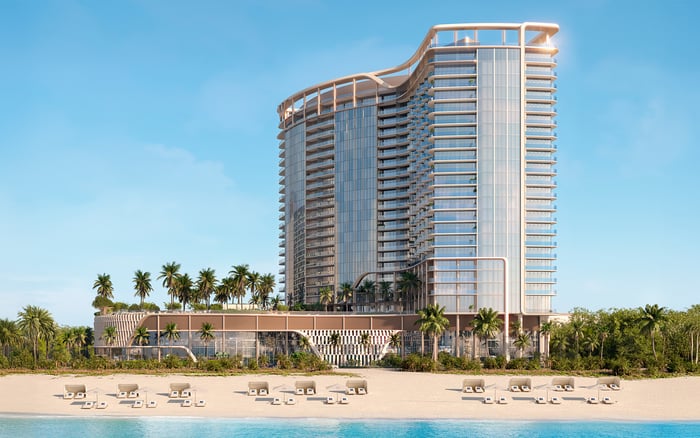
A buyer-focused framework for evaluating accessibility, service circulation, caregiver access, elevator planning, and long-term usability at Ocean 580 Pompano Beach without relying on assumptions or informal assurances.
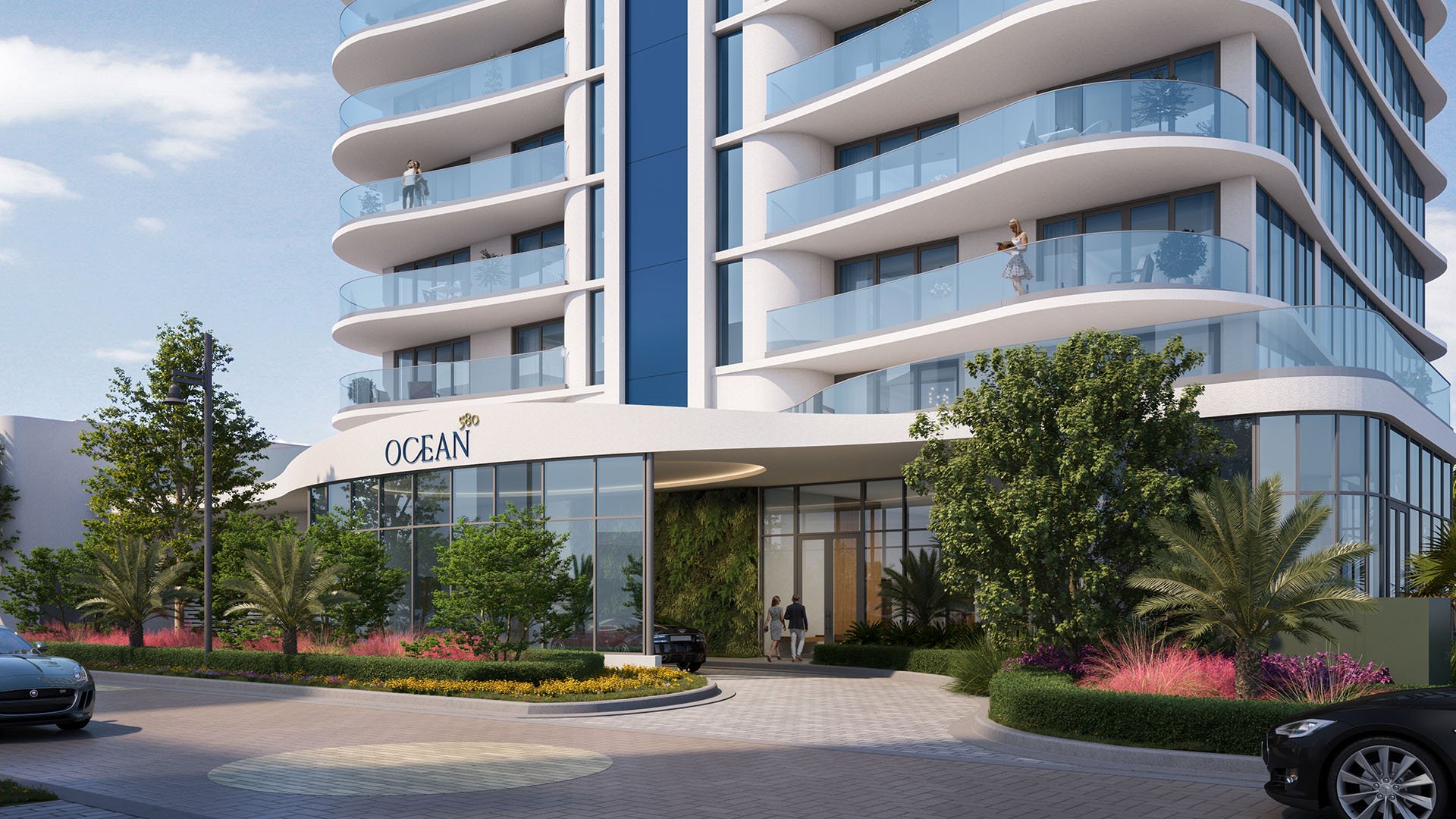
For buyers considering Ocean 580 Pompano Beach, accessibility should be evaluated as a complete daily experience rather than a single feature or checklist item. The relevant sequence begins at vehicle arrival, continues through the lobby and elevator, and extends to essential rooms, terraces, amenities, and service areas.
A residence can feel generous during a presentation yet become less convenient when repeated routes are long, doors are difficult to operate, or household support depends on unclear building procedures. Buyers planning for aging, multigenerational living, temporary injury, or caregiver assistance should therefore assess both the home and the building's operating model.
Long-term luxury is measured by how gracefully a residence handles changing needs.
Request current, dimensioned plans for the specific residence under consideration. Trace the routes between the primary bedroom, bathroom, kitchen, living area, secondary bedrooms, entry, and terrace. Consider how those paths would work with luggage, groceries, mobility equipment, or another person providing assistance.
Review clear door openings, hallway widths, turning areas, shower entries, bedside clearances, hardware, and furniture placement. Room count alone does not establish whether a home will support a caregiver or multigenerational household. Adjacency, privacy, travel distance, and access to a suitable bathroom can matter more than an additional bedroom.
Any elevator or private-entry feature shown in sales materials should be checked against the documents for the selected residence. Buyers should avoid assuming that plans, dimensions, or accessibility details are identical throughout a building.
Indoor-outdoor living deserves a physical and dimensional review. At each terrace door, examine threshold height, clear opening width, handle operation, door weight, drainage transitions, and turning space. Consider whether planned furniture would narrow the usable route or make independent operation difficult.
Apply the same method to every amenity important to the household. Trace the practical path from the residence to each destination and note stairs, heavy doors, changes in level, restroom access, and reliance on staff assistance. A destination is only useful when the route to it remains manageable.
Do not infer a building's service arrangement from renderings or a private arrival experience. Ask for the current operating plan and trace how groceries, medical supplies, mobility devices, furniture, household staff, and emergency personnel would move from vehicle arrival to the residence.
Clarify whether deliveries share residential circulation, whether reservations are required, how protective measures are handled, and what procedures apply during elevator maintenance. Written answers can reveal whether the building's service model fits the household's likely routines.
A comparison visit to The Ritz-Carlton Residences® Pompano Beach can help buyers refine the questions used during sales presentations. The purpose is not to assume that projects operate alike, but to compare documentation, staffing responsibilities, arrival sequences, and vertical circulation consistently.
Caregiver logistics should be addressed before assistance becomes urgent. Confirm how recurring caregivers or health professionals would be registered, verified, admitted, and removed from an access list. Ask whether a caregiver may arrive independently, use valet services, park overnight, or enter when a resident cannot respond.
Buyers should also determine whether access can be limited by day or time and who may update permissions. Procedures involving privacy, keys, credentials, elevators, and emergency entry should be documented rather than left to informal assurances.
The same checklist can be applied when considering Armani Casa Residences Pompano Beach. A disciplined comparison keeps the focus on household needs instead of branding or presentation style.
Evaluate the parking-to-residence route as one system. Request information about elevator availability, planned maintenance procedures, communication protocols, and alternatives when normal circulation is interrupted. Ask which relevant building functions are intended to receive backup power and verify the answer in current project documents.
Emergency planning requires equal attention. Buyers should understand the stated procedure for assisting a resident with limited mobility, where assistance would be coordinated, and how caregivers or emergency personnel would gain access. Any answer that materially affects the purchase should be confirmed through the appropriate project and governing documents.
These questions can also guide a review of W Pompano Beach Hotel & Residences. The meaningful comparison is whether each project's documented approach is clear and suitable for the buyer's circumstances.
Building access is only one part of long-term planning. Buyers should map the South Florida services they expect to use, including healthcare, pharmacies, transportation, family support, and professional caregivers. Travel time, vehicle transfers, appointment schedules, and after-hours availability can affect whether a location works in practice.
Because services and operating details may change, confirm current information directly with the relevant provider before relying on it. The objective is a realistic household plan rather than a list of nearby destinations.
Before committing, assemble a residence-specific diligence file containing current plans, relevant dimensions, parking rules, credential procedures, delivery policies, elevator information, backup-power details, and emergency protocols. Proposed modifications should be reviewed against applicable project documents and approval requirements.
The central question is whether the residence and its operating environment can remain private, comfortable, and manageable as household needs evolve. For discreet guidance on Ocean 580 Pompano Beach and other South Florida opportunities, consult MILLION.
If branded residences are on your mind — as a home or as an allocation — we would be glad to share what we are seeing, privately.
Begin a quiet conversationRepeated paths can reveal practical issues involving distance, door operation, turning space, and furniture placement. Buyers should assess the routes they expect to use most often.
Review clear door openings, hallway widths, turning areas, shower entries, bedside clearances, and terrace access. Confirm measurements for the specific residence.
Consider room adjacency, privacy, bathroom access, and travel distance to the person receiving care. Room count alone does not establish suitability.
Examine threshold height, clear opening width, handle operation, door weight, drainage transitions, and turning space. Planned furniture should not obstruct the route.
Trace deliveries, mobility equipment, household staff, and emergency personnel from vehicle arrival to the residence. Confirm elevator and scheduling procedures in writing.
Confirm registration, identity verification, independent entry, valet use, overnight parking, scheduling restrictions, and emergency access. Buyers should also ask who may change permissions.
Ask about availability, maintenance procedures, interruption protocols, communications, and alternative routes. Verify material answers in current project documents.
Backup-power details affect how a building may function during an interruption. Buyers should determine which relevant systems are covered without making assumptions.
Use the same checklist for each property and compare documented procedures rather than presentation style. Focus on whether the operating model fits the household's needs.
Include current plans, relevant dimensions, parking and credential rules, delivery policies, elevator information, backup-power details, and emergency procedures.