Buyers considering Four Seasons Fort Lauderdale alongside yacht ownership should assess the residence, berth, navigation route, and crew plan together. Bridge exposure, usable depth, marina terms, and transfer logistics can materially shape how well the overall ownership arrangement functions.
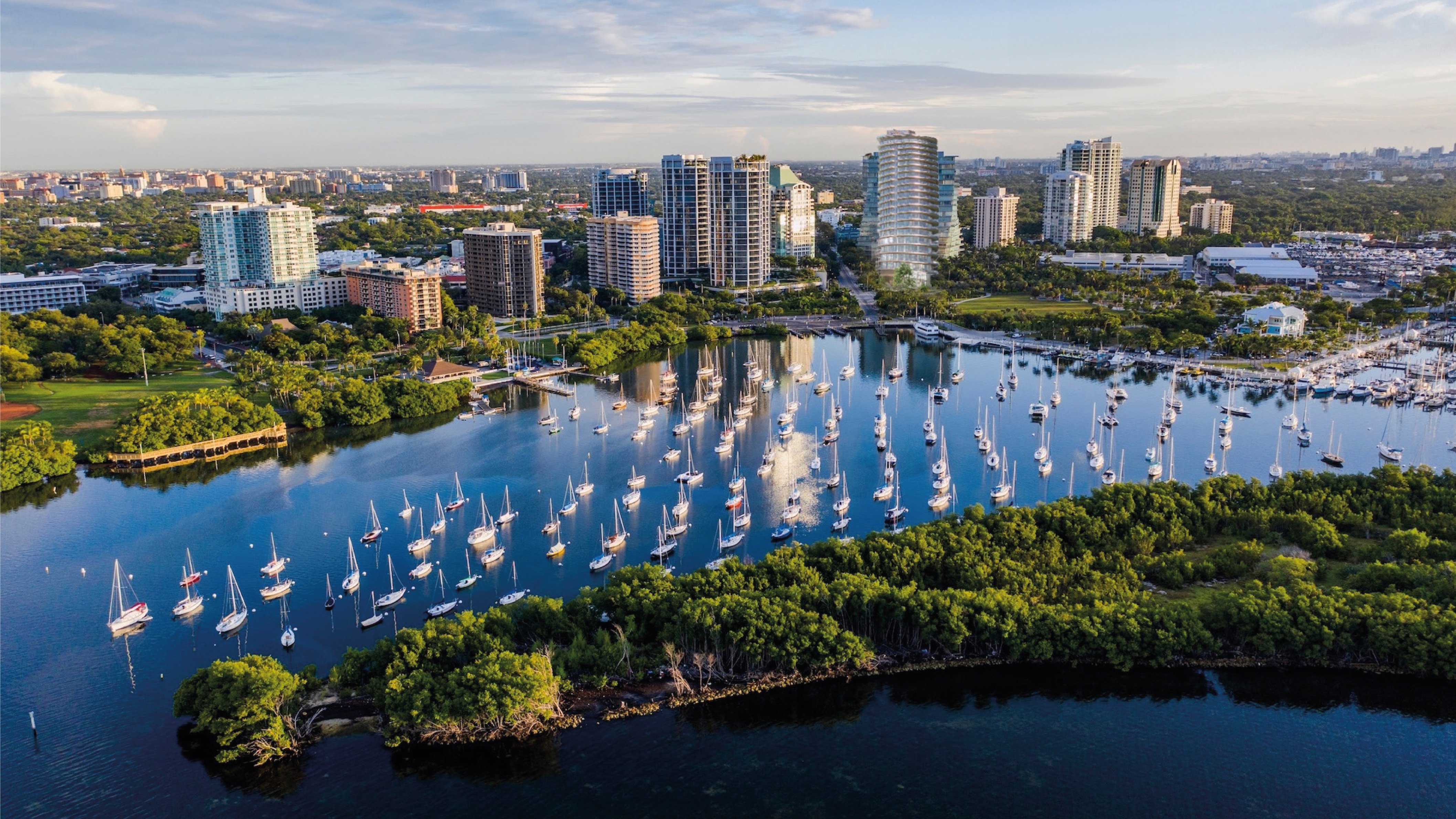
For a yacht-focused buyer, Four Seasons Hotel & Private Residences Fort Lauderdale should be considered in the context of the owner’s complete marine plan. The residential experience may meet the buyer’s preferences, but practical yacht use also depends on the selected berth, navigation route, service access, and crew workflow.
Dockage should not be assumed from a waterfront or beachfront setting. Before committing to a residence, the buyer should confirm what marina arrangements are available, whether they suit the vessel, and how owners and guests will move between the home and yacht.
Bridge exposure depends on the berth-to-inlet route rather than the residence alone. A captain or qualified marine professional should compare the yacht’s verified air draft with the usable clearance of every bridge on each intended passage.
The review should account for fixed and opening bridges, water levels, operating procedures, and alternate routes. A path that works for one vessel may be unsuitable or inconvenient for another, particularly when reliable departure timing is important.
Buyers comparing the Four Seasons with St. Regis® Residences Bahia Mar Fort Lauderdale should keep the residential decision separate from the assessment of a particular berth. The relevant question is whether the assigned dockage and route support the yacht’s dimensions and operating schedule.
General water-depth information for Port Everglades or the Intracoastal Waterway does not establish the usable depth of a private slip. The controlling points may instead be within the marina entrance, approach fairway, turning area, or assigned berth.
A buyer should request current written confirmation of controlling depths and ask how those measurements were established. The review should also cover slip dimensions, maximum vessel size, maneuvering space, shore-power compatibility, access procedures, and any restrictions affecting tenders or service providers.
The same analysis applies when considering Auberge Beach Residences & Spa Fort Lauderdale or The Ritz-Carlton Residences® Fort Lauderdale. Residential appeal and marine suitability are related parts of the ownership decision, but they require separate verification.
When the residence and berth are in different locations, transfers become part of the operating plan. Owners should examine how crew changes, luggage, provisions, maintenance teams, and guests will move between the building and marina under ordinary and congested conditions.
The complete sequence matters: where vehicles may stop, how goods are received, whether specialty vehicles can be accommodated, and who coordinates secure handoffs. Testing that workflow in advance can reveal practical friction that is not apparent from a map.
Crew operations are generally most efficient when provisioning, maintenance, and vessel management are organized around the selected marina. The residence can then function as the land base for owners and guests without interfering with routine yacht operations.
Start with a complete vessel profile covering length, beam, draft, air draft, shore-power needs, tender arrangements, and service requirements. Use that profile to test the assigned berth and every expected route in both directions.
The buyer’s marine review should address:
Written confirmation of slip dimensions and controlling depths.
Bridge clearances, opening procedures, and route alternatives.
Turning space, fairway access, and maneuvering requirements.
Shore power, security, service-provider access, and tender handling.
Owner, guest, crew, luggage, and provisioning transfers.
Contingency plans for route disruption or unavailable dockage.
Information should be reconfirmed near the relevant purchase, occupancy, or dockage date because operating conditions and procedures can change. Any separate dockage arrangement should also be evaluated for transferability and its potential effect on a future sale.
Four Seasons may appeal to a buyer seeking a branded Fort Lauderdale residence while maintaining a separate yachting program. The decisive issue is whether the residence, berth, vessel specifications, navigation route, and crew plan work together without avoidable operational compromises.
For discreet guidance on aligning a South Florida residence with your yachting requirements, connect with MILLION.
If branded residences are on your mind — as a home or as an allocation — we would be glad to share what we are seeing, privately.
Begin a quiet conversationYes. The home, berth, vessel requirements, navigation route, and crew plan should function as one coordinated ownership arrangement.
No. Buyers should separately verify dockage availability, marina terms, and compatibility with the vessel.
Air draft determines whether the yacht can pass beneath bridges along its intended routes. It should be compared with current usable clearances.
Yes. Alternate routes may involve different bridges, procedures, water conditions, and timing constraints.
No. The marina entrance, fairway, turning area, or assigned berth may have different controlling depths.
Request current written confirmation of controlling depths for the assigned slip and its approaches. Ask how and when the measurements were established.
Include length, beam, draft, air draft, shore-power needs, tender arrangements, and service requirements.
Review vehicle access, stopping points, luggage handling, provisioning, secure handoffs, maintenance access, and guest transfers.
Conditions and operating procedures can change. Key details should be verified again near the purchase, occupancy, or dockage date.
It can influence practical usability and buyer interest. Transferability and vessel restrictions should be reviewed before purchase.