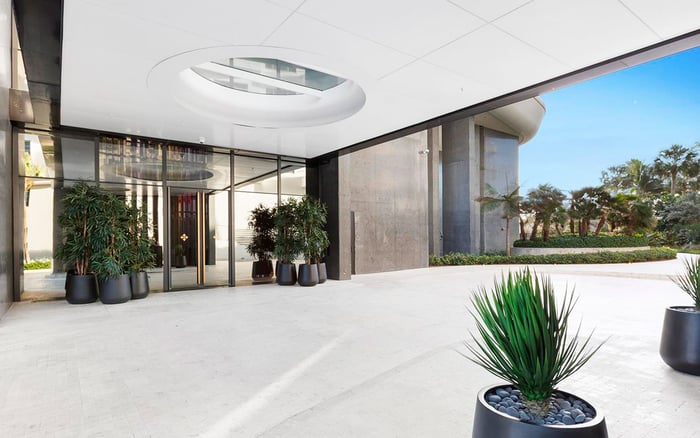
Buyers considering Faena House Miami Beach can evaluate Formula 1, Art Week, and Boat Show periods by reviewing current transportation conditions, arrival procedures, guest coordination, and building privacy protocols before each visit.
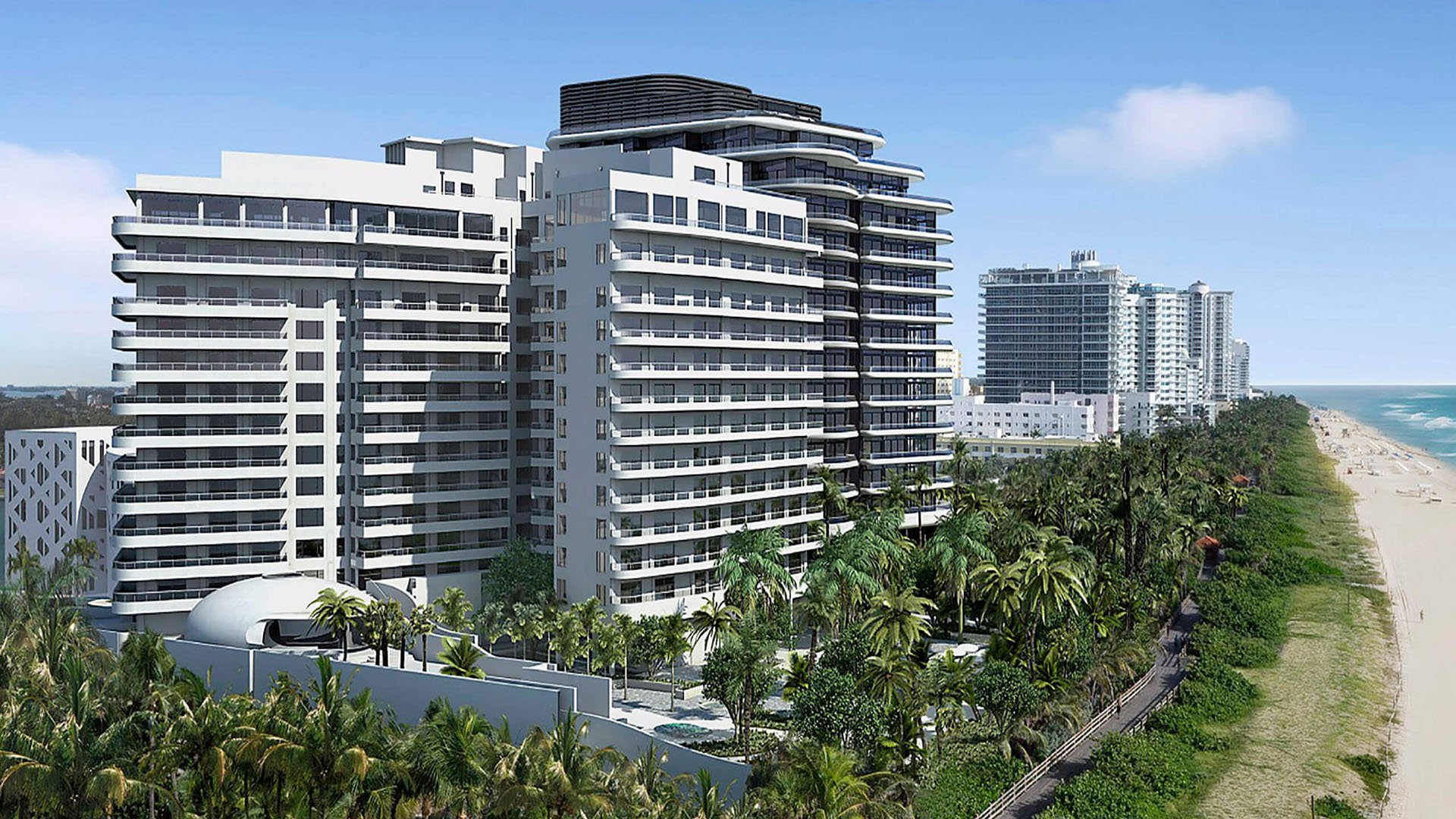
For buyers considering Faena House Miami Beach, the Formula 1, Art Week, and Boat Show calendars introduce practical due-diligence questions alongside the residence itself. The relevant issue is not whether every event creates the same conditions, but whether an owner has a reliable process for checking access, coordinating arrivals, and protecting privacy.
Event-period planning should begin with current information. Buyers should avoid assuming that prior traffic patterns, operating procedures, or preferred routes will apply to a future edition. Before each visit, they can confirm transportation conditions and ask building management whether residential procedures require additional coordination.
Formula 1 should prompt a fresh review of the complete journey to Miami Beach. Owners can ask drivers to check current conditions shortly before departure, identify an alternate approach, and allow flexibility between the mainland departure point and the residential entrance.
This framework also helps when comparing Faena House with Setai Residences Miami Beach. Each residence should be evaluated according to its own access sequence and management procedures rather than a general assumption about Miami Beach.
Art Week planning should account for the owner's full schedule, including appointments, dinners, guest visits, staffing, and deliveries. Instead of relying on customary travel times, buyers can build buffers between commitments and coordinate arrival instructions before guests begin their journeys.
For a comparison elsewhere in Miami Beach, The Ritz-Carlton Residences® South Beach can be assessed using the same questions: how does a vehicle complete the final approach, where should guests meet their host, and which procedures should be confirmed in advance?
Boat Show planning similarly requires edition-specific verification. Buyers should check the current event calendar and transportation guidance rather than infer conditions from a previous year. Drivers, household staff, vendors, and guests should receive consistent instructions so that each arrival supports the owner's preferred level of discretion.
The objective is not to predict every possible delay. It is to establish a decision process that can adapt when current conditions differ from the original itinerary.
A useful arrival plan separates the broader trip from the final approach to the residence. The first stage covers the journey toward Miami Beach. The second begins when the driver reviews current local conditions and confirms how to complete the approach.
Each stage should have a clear decision point. If conditions change, the driver should know whether to wait, adjust timing, or use an alternate approach. Guests should have concise instructions that identify the residential destination and the appropriate point of contact without circulating unnecessary personal details.
Buyers comparing other oceanfront options, including The Perigon Miami Beach, can apply the same method. The purpose of the comparison is to test how each property fits the buyer's actual travel habits and privacy expectations.
A buyer should examine privacy in layers. The first is the surrounding public environment, the second is the transition from vehicle to residence, and the third is the building's internal process for guests, staff, vendors, and deliveries.
Public event information does not establish a condominium's private operating procedures. Buyers should request current details directly from building management and ask whether any process changes during major event periods. Relevant topics include guest authorization, driver coordination, vendor scheduling, deliveries, and the handling of unexpected arrivals.
Privacy also depends on communication. A well-designed plan limits the number of people receiving sensitive itinerary details while ensuring that everyone responsible for the arrival understands their role.
A buyer can test the ownership experience by walking through a realistic event-period itinerary. The exercise should cover the initial departure, the final approach, guest communication, staffing, deliveries, and entry into the residence. Any uncertainty can then become a specific question for management or the buyer's advisers.
This review should be repeated before each major visit because event schedules and building procedures may change. The goal is a controlled arrival plan based on current information, clear responsibilities, and the buyer's preferred degree of privacy.
Why should buyers review event calendars before visiting Faena House? The calendars help buyers identify when to reconfirm transportation conditions, building procedures, and arrival responsibilities.
Should prior event experience determine the next arrival plan? No. Buyers should verify current conditions rather than assume that a previous year's pattern will repeat.
What should a driver receive before departure? The driver should have the destination, timing expectations, a point of contact, and instructions for reassessing the approach.
How can owners coordinate guest arrivals discreetly? They can provide concise instructions, limit unnecessary itinerary sharing, and designate one residential contact.
What should buyers ask management about privacy? Buyers can ask about guest authorization, drivers, vendors, deliveries, unexpected arrivals, and any event-period changes.
Why separate the broader journey from the final approach? The two-stage method creates a clear opportunity to review local conditions before completing the trip.
Should staff and vendors use the same arrival instructions as guests? Not necessarily. Each group should receive instructions appropriate to its role and the building's current procedures.
How should Formula 1 planning differ from Art Week planning? Each period should be reviewed independently using its current calendar, transportation conditions, and the owner's itinerary.
What is the purpose of comparing other Miami Beach residences? A comparison helps buyers test how different access sequences and management procedures fit their travel habits.
When should an arrival plan be reconfirmed? It should be reviewed shortly before travel and updated whenever current conditions or building guidance change.
If you'd like a private walkthrough and a curated shortlist, connect with MILLION.
If branded residences are on your mind — as a home or as an allocation — we would be glad to share what we are seeing, privately.
Begin a quiet conversation