A precise framework for separating recurring assessments from one-time association charges when calculating the first-year cash requirement for a 57 Ocean purchase.
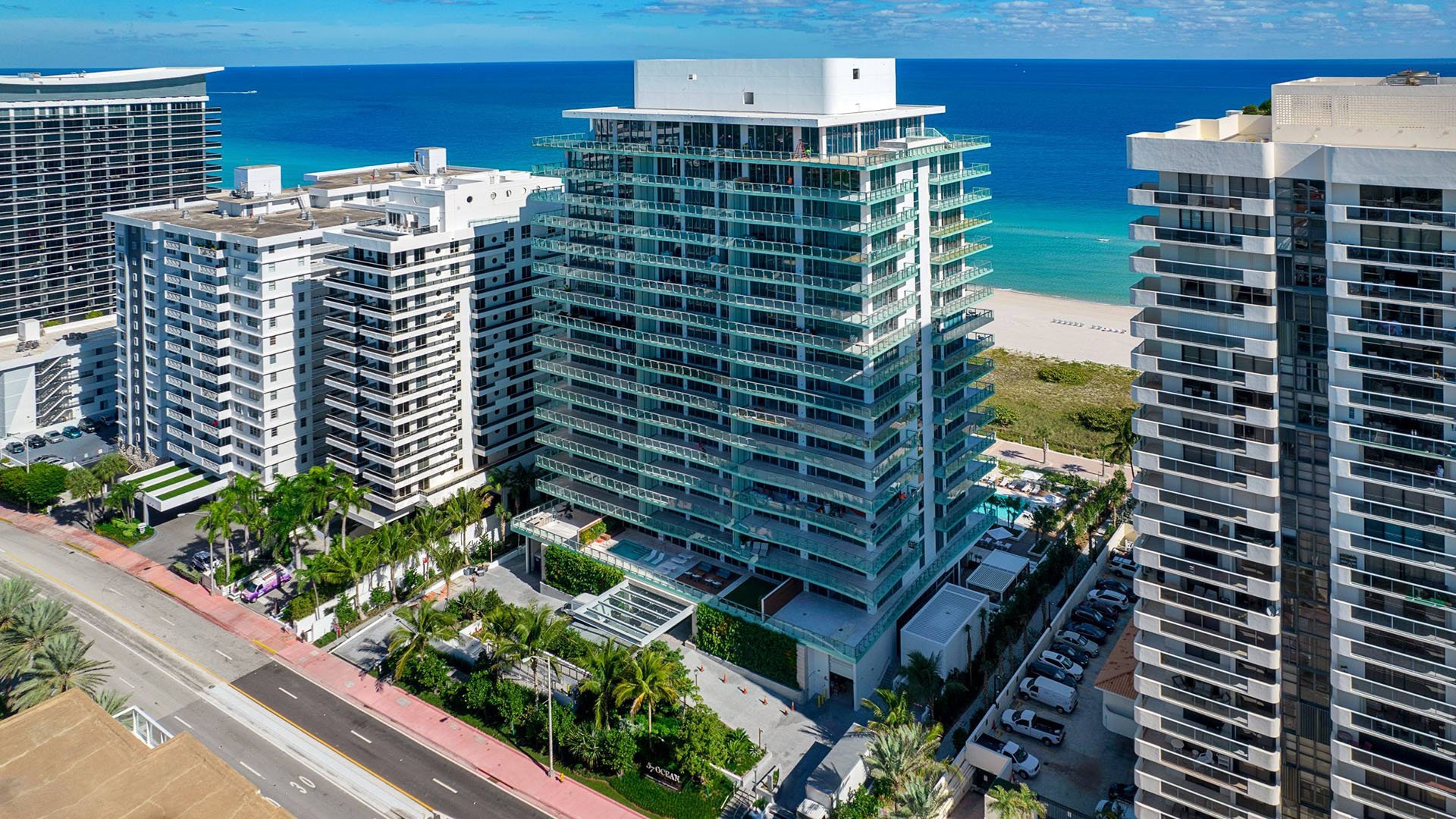
For a buyer considering 57 Ocean Miami Beach, the purchase price is only one part of the liquidity calculation. The precise amount due for a particular residence must be confirmed through the current governing documents, transaction documents, and unit-specific estoppel.
A disciplined first-year model separates four categories: the down payment; conventional closing costs and prepaids; recurring ownership expenses; and one-time association charges. Keeping these categories distinct helps prevent an upfront association payment from being mistaken for a credit against future dues.
This document-led approach also supports comparisons with The Perigon Miami Beach and The Ritz-Carlton Residences® Miami Beach. Buyers should not assume that different Miami Beach residences use identical definitions, formulas, or payment structures.
Capital contributions, prepaid assessments, and working-capital funds should appear on separate lines in the initial model. Their names alone do not establish whether they are refundable, whether they offset future assessments, or which party must pay them.
Counsel should identify the document authorizing each amount and determine how the closing statement treats it. Any number taken from a listing, prior transaction, or informal estimate should remain provisional until verified for the specific residence and transaction.
A working-capital item should not automatically be treated as equivalent to a capital contribution or prepaid assessment. Review should establish who imposed it, which document authorizes it, what it funds, whether it is refundable, and whether it offsets a recurring obligation.
For buyers comparing other Miami Beach residences, Shore Club Private Collections Miami Beach illustrates why each building requires its own review. Location, positioning, and pricing do not answer association-document questions.
Begin with the residence's verified monthly assessment, represented as M. For liquidity planning only, create sensitivity cases using M, 2M, and 3M as possible upfront allowances. These figures are modeling scenarios, not confirmed charges or formulas for 57 Ocean Miami Beach.
Keep any working-capital amount on its own line. Do not offset it against recurring dues unless the governing and closing documents support that treatment. Add application, approval, transfer, regular assessment, special assessment, and other association amounts only after they are documented for the transaction.
The schedule can be organized as follows:
Down payment and financing-related cash.
Conventional closing costs and prepaids.
Recurring assessments and other ownership expenses for the chosen planning period.
Capital contribution, if documented and due.
Working-capital payment, if separately documented and due.
Other association amounts confirmed for the residence.
This structure is designed to reduce double counting while keeping potential closing-day obligations visible.
Request the current declaration and amendments, association budget, assessment schedule, resale package, and unit-specific estoppel. The closing attorney should reconcile the applicable materials with the contract, title work, and closing statement.
If the parties negotiate responsibility for an association-related amount, the allocation should be reflected in the transaction documents. Until the operative materials answer the relevant questions, each label and estimate should remain unconfirmed.
What is the first step in estimating the first-year cash requirement? Separate the down payment, conventional closing items, recurring ownership expenses, and one-time association charges.
Is a capital contribution confirmed for 57 Ocean Miami Beach? No specific contribution or formula is confirmed here. The current documents and unit-specific estoppel must establish whether one applies.
Should a capital contribution be treated as prepaid monthly assessments? Not without supporting documentation. Keep it separate until its treatment is verified.
Is a working-capital fund the same as a capital contribution? That should not be assumed. Review the authorizing language, purpose, payment responsibility, and accounting treatment.
Can a buyer use a one-to-three-month range for planning? Yes, as a sensitivity range only. It is not a verified 57 Ocean charge or formula.
Which document can identify residence-specific association amounts? The unit-specific estoppel should be reviewed alongside the governing documents, contract, and closing statement.
What association records should a buyer request? Request the declaration, amendments, current budget, assessment schedule, resale package, and unit-specific estoppel.
Why should each charge remain on a separate line? Separate line items make it easier to identify possible overlaps, credits, and unverified assumptions.
Can an amount from a prior sale be used for the current purchase? It may inform an initial estimate, but it should not replace current, residence-specific documentation.
How should the final cash requirement be confirmed? Reconcile the contract, governing documents, estoppel, title work, and closing statement with the professionals handling the transaction.
For a tailored shortlist and next-step guidance, connect with MILLION.
If branded residences are on your mind — as a home or as an allocation — we would be glad to share what we are seeing, privately.
Begin a quiet conversation