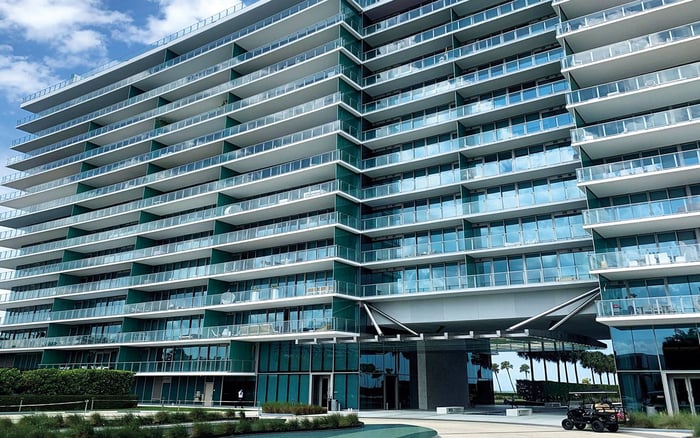
A discreet operating plan for Beverly Hills families coordinating private-school calendars, real-world commute trials, residential decisions, and household staffing before a move to Key Biscayne.

For a Beverly Hills family relocating to Key Biscayne, the decisive residential question is not simply where to live. It is whether the home, private-school schedule, travel plan, and household team can operate as one coherent system. A polished transition begins before the first classroom day, with each obligation assigned to a person, place, and backup plan.
Place the Los Angeles and Miami calendars side by side rather than comparing only broad academic terms. Review orientation activities, assessments, conferences, closures, early dismissals, evening programs, and travel commitments. This exercise helps the family determine the practical order of moving, furnishing, staff onboarding, and school preparation without relying on assumptions.
School logistics should receive the same attention as layout, privacy, and waterfront access. The right Key Biscayne residence must support weekday execution as well as the family’s broader lifestyle.
The most elegant relocation plan is the one the household can execute without improvisation.
Begin with a master calendar overseen by the household manager or another designated adult. Add separate layers for each child, school division, caregiver, driver, parent, and coast. Even siblings at the same school may have different orientation activities, conferences, dismissal times, assessments, or evening commitments.
Do not rely solely on a year-at-a-glance document. Enter each confirmed school obligation individually and attach the operational details needed to complete it. Useful fields include the responsible adult, backup adult, departure window, pickup authority, vehicle, equipment, and handoff location.
The household should also establish a regular review routine. One named person can confirm the next day’s schedule with the relevant adults, resolve overlaps, and verify that any required forms, clothing, equipment, or transportation arrangements are ready. Color coding can improve readability, but clear ownership is more important than presentation.
The first instructional day is not necessarily the right starting point for household coverage. Orientation activities, family meetings, assessments, campus visits, and back-to-school programs can create transportation and childcare needs before a regular timetable is established.
Set staff coverage around the family’s complete program rather than a single school date. If children will participate in camps, enrichment, or summer programs, align driver and childcare arrangements with those commitments. Confirm working hours, planned absences, travel expectations, and backup responsibilities directly with the household team.
For every recurring school run, identify a primary adult and a prepared backup. Both should understand the route, the expected handoff, the family’s communication sequence, and the school’s current pickup requirements. A concise household handoff sheet can keep essential contacts, activity notes, and escalation steps available without concentrating operational knowledge in one person.
A map estimate cannot replace a live weekday trial. Drive from each prospective residence to every shortlisted school during the arrival period the family expects to use. Repeat the route for regular dismissal, early release, and recurring afternoon activities when those movements are relevant to the household plan.
Use the entrance, passenger sequence, parking approach, and handoff process the family would follow after the move. Record the departure, arrival, completed handoff, and return sequence so the household can compare the full duty cycle rather than focusing on a single travel estimate.
The purpose is to understand variability and operational conflicts. A live test can reveal whether one driver can reasonably support overlapping obligations, whether a parent needs separate transportation, or whether an activity handoff requires dedicated coverage. Repeat the exercise if the residential shortlist, school instructions, or family timetable changes.
Housing comparisons should remain neutral until these trials are complete. A family considering Una Residences Brickell as an alternative base should test its routes rather than assume a mainland location will perform better. The same discipline applies when comparing Four Seasons Residences Coconut Grove or Ponce Park Coral Gables with a Key Biscayne home. The school-day routine, not the sales presentation, is where the residential plan is proven.
Every school movement should have a named lead and a qualified substitute who has already reviewed the route, child preferences, contact sequence, and authorized-release requirements. Backup coverage should be practical, not theoretical; the substitute needs access to the information and transportation required to complete the assignment.
Treat early dismissals, evening performances, parent meetings, testing appointments, and school events as dedicated coverage blocks. When children attend different divisions or schools, do not assume one caregiver can manage both schedules until the household has rehearsed the sequence.
Beverly Hills-Miami travel periods deserve a separate operating mode. Decide who remains with the children, who handles airport transportation, who holds decision authority, and when responsibility changes hands. When practical, allow outgoing and incoming staff to exchange updates directly so that calendar changes, equipment, and pending tasks are understood.
The household manager should also maintain a contingency plan for illness, vehicle unavailability, delayed travel, and last-minute schedule changes. The aim is not to predict every disruption. It is to establish who decides, who acts, and who must be informed.
Before the planned transition, conduct a full rehearsal from the intended residence or the closest practical starting point. Follow the expected wake-up sequence, breakfast timing, vehicle loading, school departure, afternoon collection, activities, dinner coverage, and evening calendar review. Repeat the test after occupancy if the initial rehearsal began elsewhere.
Use the rehearsal to identify friction rather than to validate a preferred answer. Review elevator or driveway timing, equipment storage, vehicle access, staff arrival, sibling handoffs, and communication gaps. Adjust the plan, assign corrective actions, and test the revised sequence.
Before making final commitments, obtain current admissions deadlines, assessment requirements, division calendars, carline instructions, and authorized-pickup procedures directly from every shortlisted school. Reconcile those details with closing, furnishing, travel, and staff-onboarding plans. A calm Key Biscayne arrival comes from giving a well-briefed household team one precise plan and enough opportunity to practice it.
For discreet guidance on aligning a South Florida residence with the way your family actually lives, consult MILLION.
If branded residences are on your mind — as a home or as an allocation — we would be glad to share what we are seeing, privately.
Begin a quiet conversationBegin before orientation activities and the regular school routine. This allows time for calendar review, staff onboarding, and route rehearsals.
A direct comparison helps identify differences in orientations, closures, conferences, and other obligations that may affect the move sequence.
Include confirmed orientations, assessments, closures, conferences, dismissals, events, travel, and transportation assignments.
Yes. Siblings may have different division schedules, activities, assessments, and dismissal requirements.
Drive the route during the arrival and dismissal periods the family expects to use. Follow the intended entrance, passenger sequence, and handoff process.
Usually not. Repeat the trial for relevant dismissal patterns, activities, residential options, and schedule changes.
Each recurring school run should have a primary adult and a prepared backup. Both should know the route, contacts, handoff plan, and current pickup requirements.
Assign childcare, transportation, decision authority, and handoff times in advance. Ensure that incoming and outgoing staff exchange essential updates.
Coverage should reflect the family’s complete confirmed program. Include camps, enrichment, or summer-school transportation when applicable.
Confirm current admissions deadlines, assessment requirements, division calendars, carline instructions, events, and authorized-pickup procedures.