Villa Miami’s services may support seasonal ownership, but buyers should secure written answers on insurance, storm preparation, unit access, water, HVAC, terraces, vehicles, and post-storm inspections before closing.
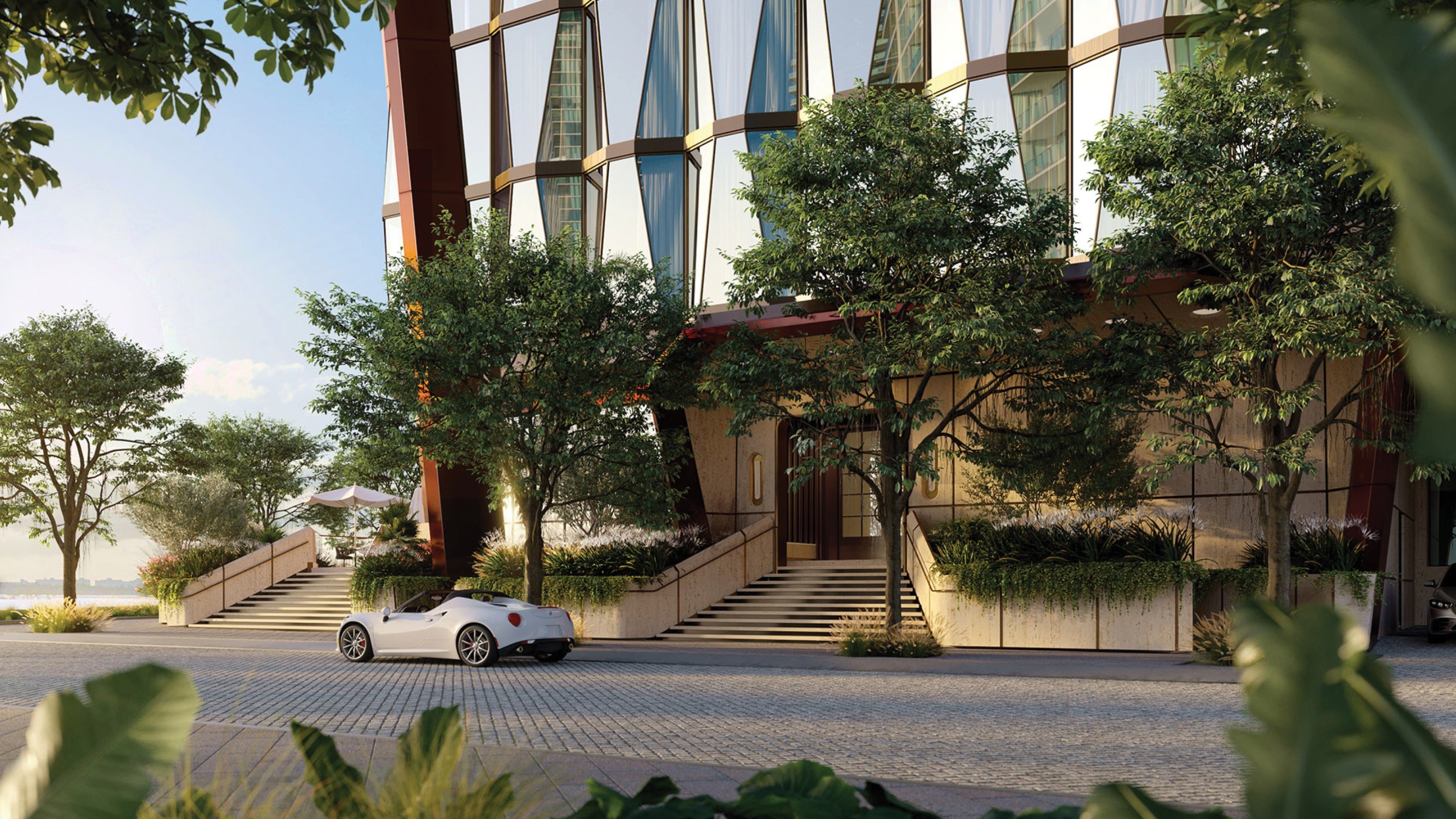
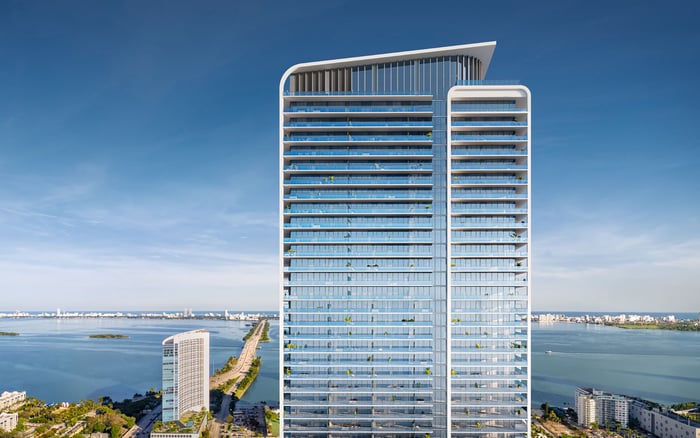
For a seasonal owner, the most consequential feature of a luxury residence is often invisible in the model home: the operating framework that protects the property when no one is there. At Villa Miami, a pre-construction condominium marketed for 710 NE 29th St in Edgewater, advertised white-glove estate management, 24-hour valet, and 360-degree security create a compelling foundation for absentee ownership.
Those services, however, should not be interpreted as an automatic promise that staff will prepare a private residence for a hurricane or manage every detail of a long summer absence. Before closing, buyers should obtain the governing documents, service agreements, access rules, insurance information, and the building’s extended-absence checklist. The goal is a written allocation of responsibility, not a verbal impression of convenience.
True lock-and-leave ownership depends on written responsibility, authorized access, and a practiced response plan.
The central closing question is simple: Where do building services end and the owner’s obligations begin? Estate management may be highly relevant to second-home ownership, yet its advertised presence does not establish whether personnel will clear a balcony, close owner-assigned storm protection, adjust mechanical systems, hold keys, inspect interiors, or coordinate repairs.
Request a line-by-line explanation of standard and optional services. Identify who monitors weather events, when management may enter a unit, what authorization is required, and whether storm preparation must be booked separately. If caretaker work carries an additional charge, establish the fee structure and scheduling procedure. Buyers comparing other Edgewater residences, including Aria Reserve Miami and EDITION Edgewater, can apply the same discipline: amenity language should always be translated into specific, documented duties.
The written protocol should also identify who conducts a post-storm inspection, what it covers, how findings are communicated, and who may authorize urgent work. Security oversight and private-residence care are related, but they are not necessarily the same service.
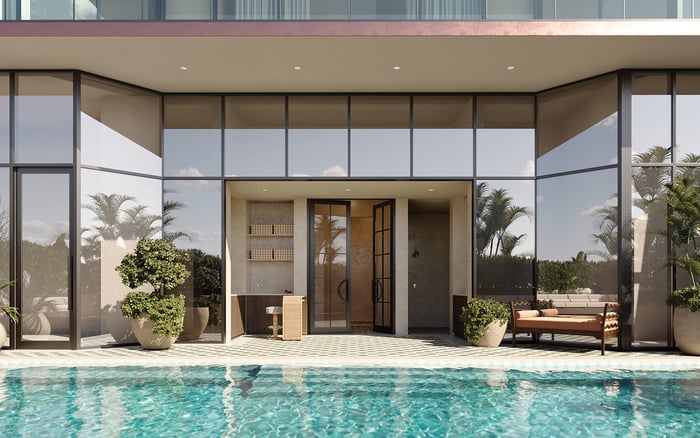
A polished seasonal closing routine starts outside the glass. Patio furniture, flowerpots, wall decorations, tools, hoses, doormats, and other exterior objects should be brought indoors before an extended absence or hurricane. In high winds, unsecured terrace items can become dangerous projectiles. Buyers should confirm whether the owner, a designated caretaker, or building staff performs this work-and where the items may be stored.
Inside the residence, the checklist should address the main water valve and individual fixture shutoffs. The appropriate configuration must follow the building’s procedures, but the objective is clear: reduce unattended leak exposure while preserving any systems that must remain operational. The water heater should be switched off or placed in the building-approved absence setting.
Small appliances and nonessential electronics should be unplugged. Thermostat and dehumidifier readiness also deserve attention before a long summer departure, including replacement batteries and clean filters. Owners should ask who verifies settings after they leave and whether remote alerts are monitored by the owner, management, or another authorized party.
Any shutters or storm protections assigned to the owner should be closed and locked in accordance with the building’s procedures. Buyers should not assume that impact-resistant construction, master insurance, or on-site personnel eliminate an owner-specific preparation step. This distinction is particularly important for residences with expansive outdoor living areas, where the lifestyle appeal of a terrace also creates a clear departure obligation.
Every extended-absence plan needs a named local contact, with a current telephone number provided to management. That person should understand the residence, hold authority appropriate to the owner’s wishes, and know how to coordinate with building personnel. Owners should document when management may contact this representative and which decisions the representative can make.
Keys and access information must be handled with equal precision. Confirm whether management accepts physical keys, digital credentials, or both; where credentials are secured; who may use them; and how each entry is recorded. If a separate caretaker will have access, the building should know that person’s identity and authorization status.
Vehicle planning may also be relevant. If management could need to relocate a vehicle during an emergency, determine whether vehicle keys must remain available, how they are stored, and who may move the car. The same question applies to valet procedures during an evacuation or building closure. Buyers evaluating The Cove Residences Edgewater can use this access matrix as a broader due-diligence model for any residence expected to remain unoccupied for weeks or months.
Villa Miami’s association fees are described as including “2026-standard high-velocity hurricane insurance.” That description is a useful starting point, not a substitute for reviewing the eventual policy. Before closing, buyers should verify covered property, deductibles, exclusions, claim procedures, and every obligation assigned to the unit owner.
The review should connect insurance terms to the operating checklist. If an owner must secure storm protection, remove exterior objects, maintain specified interior conditions, or provide access after an event, those duties should be understood before departure. Buyers should also clarify how a master-policy claim is initiated, what documentation management provides, and who communicates building-level damage or access restrictions.
Because final policy language and governing documents control, closing counsel and the appropriate insurance adviser should review the materials when available. The luxury of absence is strongest when the legal, operational, and insurance frameworks align.
An effective plan should be repeatable rather than improvised. Before each departure, the owner or authorized representative can confirm terrace clearance, water and water-heater settings, electronics, HVAC and dehumidifier readiness, storm protection, local-contact details, residence keys, and vehicle access. Management should acknowledge receipt of any required forms or credentials.
The handover should also establish communication preferences. Decide who receives storm notices, inspection updates, access records, and repair requests. If the owner is abroad, designate a backup decision-maker and ensure contact details remain current. After returning, review any entries, inspections, or service charges so the protocol can be refined for the next absence.
Villa Miami’s management, valet, and security offering may be well suited to an owner seeking a discreet Miami base. Yet true lock-and-leave ownership is not merely an amenity package. It is a documented chain of responsibility connecting the residence, management, a local representative, building procedures, and insurance.
The strongest closing file will answer five questions without ambiguity: who prepares the residence, who holds access, who monitors conditions, who inspects after a storm, and who pays for optional care. Once those answers are written and operational, seasonal ownership can feel as composed in absence as it does upon arrival.
For discreet guidance on Villa Miami and South Florida condominium ownership, connect with MILLION.
If branded residences are on your mind — as a home or as an allocation — we would be glad to share what we are seeing, privately.
Begin a quiet conversationIts advertised estate management, 24-hour valet, and 360-degree security may support absentee ownership. Buyers should still confirm unit-level services and responsibilities in writing.
The advertised estate management does not establish that staff will prepare individual units. Buyers should request the building’s hurricane checklist and service agreement before closing.
The project listing says association fees include “2026-standard high-velocity hurricane insurance.” Buyers should verify the final policy, deductibles, exclusions, and owner obligations.
Patio furniture, flowerpots, decorations, tools, hoses, doormats, and other exterior objects should be brought inside before an extended absence or hurricane.
High winds can turn unsecured balcony and terrace items into dangerous projectiles. Responsibility for clearing them should be established in writing.
The departure plan should address the main water valve, fixture shutoffs, and the water heater. All settings should follow Villa Miami’s eventual building procedures.
Owners should address thermostat and dehumidifier readiness, including replacement batteries and filters. They should also clarify who monitors settings or alerts.
Yes. Management should receive the name and phone number of a local person responsible for coordinating unit-level responses.
Vehicle keys may be needed if management must relocate a car during an emergency. Owners should confirm storage, authorization, and valet procedures.
Request the governing documents, final insurance information, service agreements, staff-entry rules, fee schedules, and the building’s extended-absence and hurricane checklist.