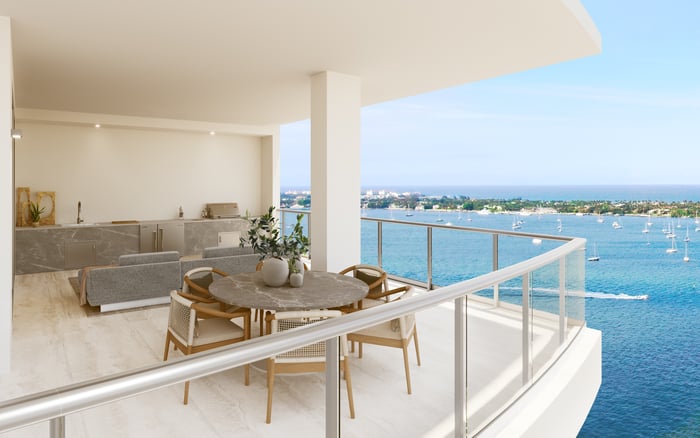
A disciplined comparison of two branded residences through parcel-level flood context, critical-equipment elevation, emergency-power scope, and document-based due diligence.
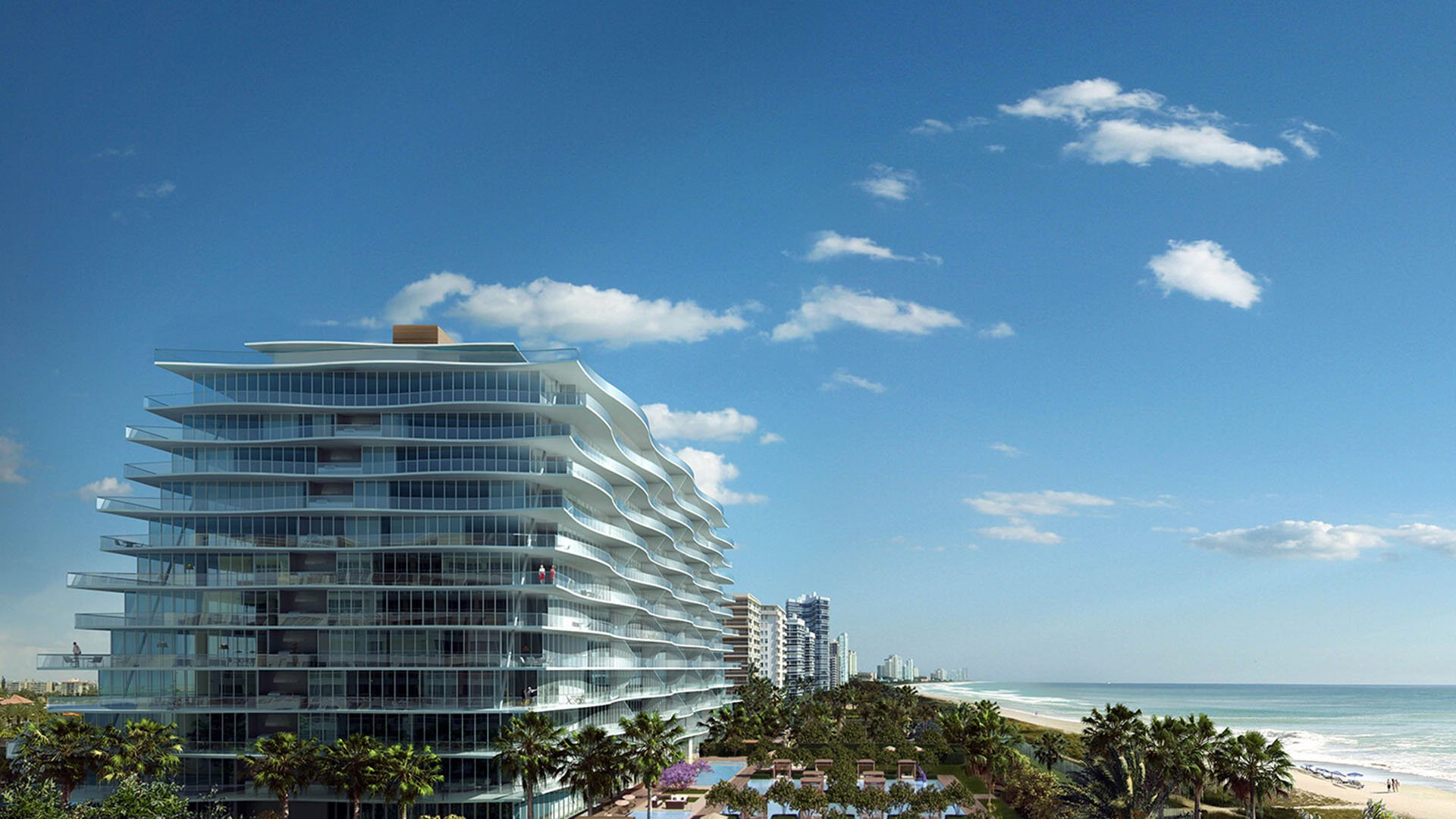
For buyers considering Fendi Château Residences Surfside and Mr. C Residences West Palm Beach, storm resilience is best approached through a consistent diligence framework rather than marketing language. The central questions concern parcel-level flood context, the vertical placement of critical systems, and the precise reach of emergency power.
That lens is particularly relevant to branded residences, where service, design, and hospitality naturally command attention. Operational planning deserves equal scrutiny. Buyers should seek clear answers about switchgear, pumps, fire-safety components, communications equipment, cooling systems, and elevator service during an interruption.
In a coastal market, operational continuity is part of luxury.
A disciplined review separates what mapping can show from what only property and building documents can establish. Flood maps describe geographic context, while surveys, elevation certificates, approved plans, and power schedules may provide the project-specific detail needed for a meaningful assessment.
A buyer should verify each property's flood context by its exact parcel rather than rely on assumptions about Surfside, West Palm Beach, or neighboring addresses. Broad area descriptions cannot substitute for the documents applicable to the residence under consideration.
The review should distinguish among the mapped flood designation, any applicable elevation benchmark, surveyed site conditions, and finished-floor elevations. These elements answer different questions and should be considered together rather than treated as interchangeable indicators.
For Fendi Château Residences Surfside, the appropriate process is to match parcel-level mapping with the property's current survey and elevation documentation. For Mr. C Residences West Palm Beach, the same process should be followed independently. The goal is not to compare generalized coastal and downtown narratives, but to place both properties within the same evidence-based matrix.
Once parcel context is understood, the inquiry should move inside the building. A mapped designation does not identify where electrical switchgear, domestic-water pumps, fire-safety equipment, communications systems, or generators sit relative to relevant elevations.
A serious comparison should align the elevation certificate, property survey, and applicable approved plans. Together, those documents can help a buyer and qualified advisers assess finished floors, equipment locations, access routes, and dependencies among essential systems.
The useful question is not simply whether equipment is described as elevated. Buyers should seek the documented elevation and location of each critical component, determine how it can be accessed, and understand whether connected equipment receives comparable protection.
The same method can inform comparisons with other South Florida properties. A buyer evaluating The Delmore Surfside and The Ritz-Carlton Residences® West Palm Beach can apply the same sequence: verify the parcel, identify critical systems, and confirm the functions supported during an interruption.
A general statement that a building has generator support does not answer the questions relevant to a residence purchase. Buyers should request a project-specific emergency-power schedule and determine which systems and circuits are intended to receive backup power.
The review can begin with life-safety systems and then extend to habitability and access. Questions should address elevator availability, domestic-water pumps, common-area cooling, access control, communications, garage operations, and any in-residence circuits. Each response should be tied to controlling project documentation rather than an informal description.
Capacity also should not be considered in isolation. Buyers may ask about supported loads, sequencing, runtime assumptions, fuel planning, refueling procedures, and components that rely on separate power or protection. The objective is to understand the complete operating chain, not merely the presence of a generator.
A useful diligence request is concise enough to receive a direct response yet detailed enough to avoid generalities. Buyers can request the current elevation certificate and survey, relevant approved plan pages showing finished floors and critical-equipment locations, and an emergency-power schedule identifying supported systems and circuits.
The request can also seek diagrams or schedules locating switchgear, generators, pumps, fire-system components, and communications equipment. For elevators, buyers should ask which cars are intended to operate under emergency conditions. For water and cooling, they should clarify whether supported equipment serves residences, common areas, or only essential building functions.
Documents should be reviewed for consistency. If a schedule identifies a supported system, the buyer's advisers can check whether related equipment appears in the plans and whether its location aligns with the elevation information. Any discrepancy or unanswered question can then be raised before contract or closing.
Flood exposure and outage resilience are related, but they are not the same inquiry. A mapped flood designation does not determine how a building will function during a utility interruption. Similarly, the elevation of one component does not resolve questions about access, communications, fuel, controls, or connected systems.
Keeping these categories separate makes the comparison more precise. One part of the matrix can address parcel mapping and elevations, while another addresses backup power and operational dependencies. A third can record which conclusions are supported by documents and which remain open.
This structure also helps buyers avoid turning an incomplete answer into a broad conclusion. An unresolved item may simply require another plan page or schedule, but it should remain identified until the supporting material is available and reviewed.
The fairest comparison between Fendi Château Residences Surfside and Mr. C Residences West Palm Beach is not a simple coastal-versus-downtown verdict. It is a side-by-side review using the same categories: parcel flood context, applicable elevation information, surveyed conditions, finished-floor elevations, critical-equipment locations, emergency-power coverage, elevator support, water continuity, cooling scope, and documented operating assumptions.
This framework respects the distinct settings while holding both properties to one diligence standard. It allows buyers to distinguish a documented operational difference from an unanswered question and to direct follow-up requests where they matter most.
For a luxury buyer, resilience is ultimately an exercise in precision. The strongest assessment is the one in which maps, surveys, plans, and power schedules provide a coherent account of how a building is intended to operate under adverse conditions.
For discreet guidance on comparing South Florida residences through this diligence lens, consult MILLION.
If branded residences are on your mind — as a home or as an allocation — we would be glad to share what we are seeing, privately.
Begin a quiet conversationThe central question is how parcel conditions, critical-equipment locations, and emergency-power coverage work together. Each element should be reviewed through project-specific documents.
No. It provides geographic context but does not establish equipment locations, backup-power coverage, or operational dependencies.
Parcel-level review avoids relying on assumptions drawn from a broader neighborhood or nearby property. Buyers should match mapping with the documents for the exact property.
A current survey, elevation certificate, and applicable approved plans can provide relevant details. Qualified advisers can review them together for consistency.
Their locations help buyers assess how essential systems relate to relevant elevations, access routes, and connected components. General descriptions should be confirmed in project documents.
Buyers should ask which systems and circuits receive backup power. The response should address life safety, elevators, water, cooling, access, communications, and any residential circuits.
No. Buyers should also examine supported loads, sequencing, runtime assumptions, fuel planning, refueling procedures, and system dependencies.
Buyers should request documentation identifying which elevator cars are intended to operate during emergency conditions. They should not assume that every elevator has the same coverage.
No. They are related but distinct, so each should have its own section in the comparison matrix.
They can use the same categories for parcel context, elevations, equipment locations, emergency power, and operating assumptions. Open questions should remain identified until supporting documents are reviewed.