A buyer-focused look at how natural light shapes the family-room experience at residences such as 321 Ocean Drive and 1 Waterplace Fort Lauderdale, with emphasis on exposure, comfort, privacy, view quality, and long-term livability.
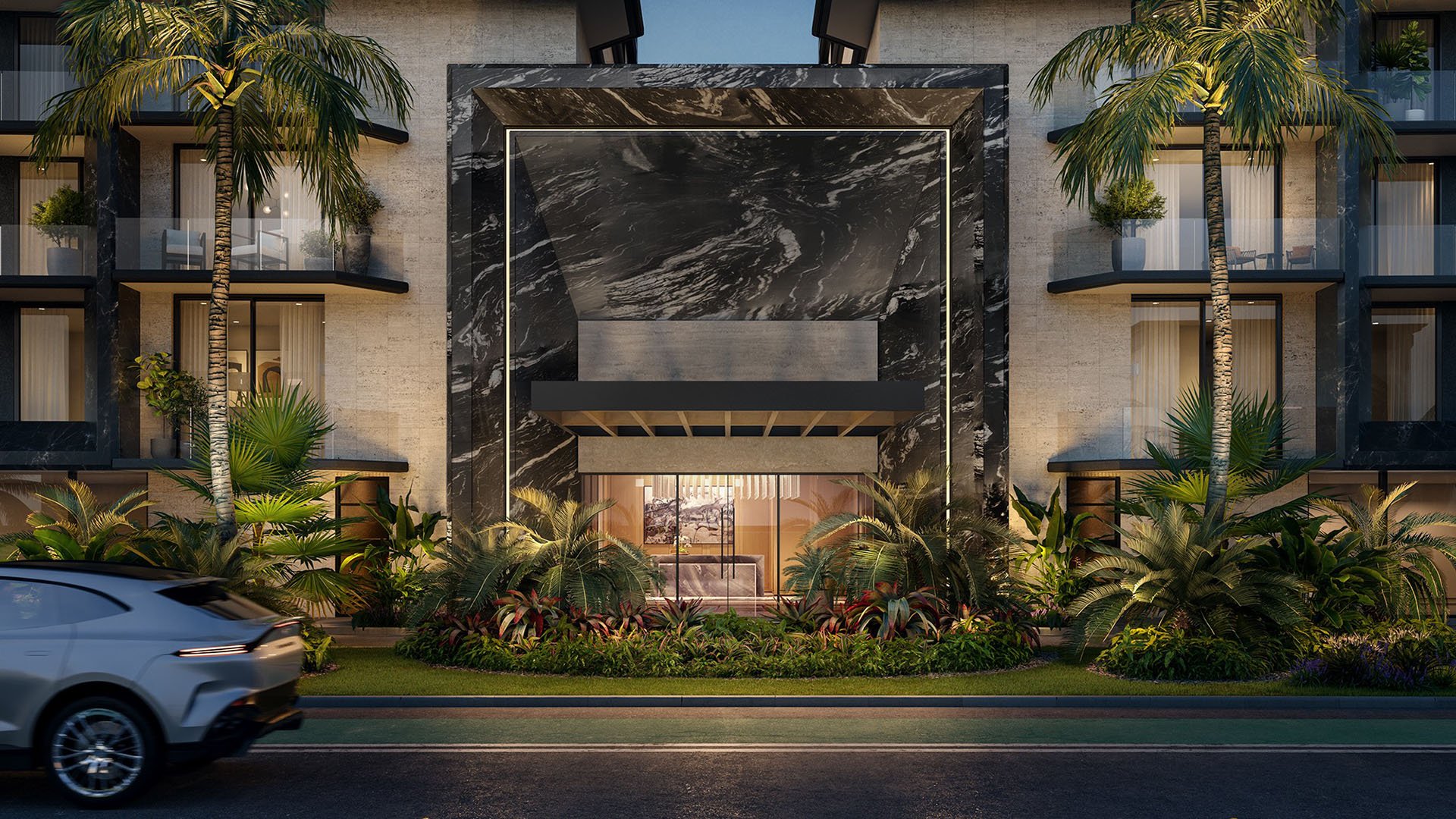
In South Florida luxury real estate, the family room has become more than a secondary lounge. It is often the emotional center of the residence, where morning routines, informal entertaining, children's downtime, and quiet evening hours converge. When natural light is handled well, the room feels calm without feeling exposed, dramatic without becoming impractical, and open without losing the sense of shelter that makes a home feel personal.
That is why a search framed around Family Room Natural Light: 321 Ocean Drive and 1 Waterplace Fort Lauderdale is not simply about brightness. It is about the quality of light, how it shifts from morning to afternoon, how it interacts with views, and whether the architecture supports daily living. A wall of glass can be seductive in a first showing. The more refined question is whether the room remains comfortable, private, and usable after the initial impression fades.
For buyers at this level, the distinction matters. Natural light is not a decorative amenity. It is a performance feature that influences furniture placement, art conservation, screen visibility, temperature management, and the way a residence photographs and lives over time.
The first reading of a bright family room is usually visual: glass, view, and openness. The second reading should be architectural. Buyers should study the direction of exposure, the height and width of windows, the presence of overhangs, the depth of the room, and the relationship between the family room and adjacent spaces. A room that is brilliant at one hour may be too glaring at another, while a softer exposure may prove more livable across the full day.
The best rooms do not force a choice between atmosphere and function. They allow a sofa to face conversation rather than only the view. They give a television or media wall a logical place without forcing it to compete with direct sun. They create enough wall surface for art and storage while preserving the openness buyers seek in South Florida residences.
In today's search vocabulary, terms such as Fort Lauderdale, Miami Beach, oceanfront, balcony, terrace, and water view can be useful starting points, but they do not replace the in-person judgment of light. A room associated with water or outdoor space may still require careful evaluation. The most successful spaces balance the view outward with the experience inward.
A buyer considering 321 Ocean Drive and 1 Waterplace Fort Lauderdale is likely thinking about two different expressions of South Florida living: one associated with the identity of Ocean Drive, the other clearly situated within the Fort Lauderdale frame. Without relying on unverified specifics, the useful comparison is not a checklist of amenities. It is a way of asking how each residence handles the family room as a daylong living environment.
At 321 Ocean Drive, the name itself invites buyers to think carefully about light, movement, and the atmosphere of a coastal address. The family room should be evaluated for how it receives daylight, how it handles potential reflections, and whether the glazing creates a serene backdrop or a more animated one. If the room opens toward exterior space, the transition should feel natural rather than staged. The goal is not simply to stand near a window and admire the brightness. It is to imagine breakfast, reading, guests, and late-afternoon quiet in the same setting.
At 1 Waterplace Fort Lauderdale, the phrase places waterfront living squarely in the conversation. For a family room, that raises questions about view orientation, privacy from neighboring sightlines, and whether the room feels protected as well as open. Fort Lauderdale buyers often prize the relaxed elegance of indoor-outdoor living, but the family room must still function as a private interior. The most compelling version is a room where light moves across surfaces gently, not aggressively, and where the view enhances life without dominating every decision.
In South Florida, abundant light must be managed with sophistication. Brightness can elevate finishes, widen the apparent scale of a room, and animate neutral palettes. It can also reveal weaknesses. Harsh light may flatten materials, create glare on polished surfaces, expose a lack of window treatments, or make a room uncomfortable during peak hours.
The disciplined buyer looks beyond the showroom moment. Ask how the family room feels at different times of day. Notice whether the ceiling height helps diffuse light or whether the window line concentrates it. Observe if the flooring reflects too much brightness. Consider how drapery pockets, solar shades, or layered treatments could protect privacy without diminishing the architectural effect.
Climate control is part of the same conversation. A luminous room should not depend on constant correction from mechanical systems to feel livable. The highest expression of luxury is effortless comfort, where the room appears simple because the hard work has been resolved through proportion, materials, shading, and planning.
Privacy is equally important. A family room is not a formal gallery. It is where life becomes informal. If natural light comes with direct sightlines from adjacent buildings, walkways, waterways, or outdoor amenities, the buyer should evaluate how the residence preserves discretion. The best rooms allow openness without requiring the household to feel on display.
A serious tour should treat the family room as a living instrument, not a photograph. Arrive with the intention of spending time in the room. Stand at the main seating position, not only at the glass. Look toward the likely television wall, toward the kitchen if connected, and toward the primary view. Each angle will reveal a different truth.
Then consider scale. Does the natural light make the room feel larger, or does it expose awkward proportions? Can multiple people use the space comfortably without blocking circulation? Is there a logical path to outdoor space if a terrace or balcony is part of the living sequence? Does the room invite everyday use, or does it feel like a setting designed mainly to impress visitors?
Materials deserve a close read. Stone, wood, fabric, and lacquered finishes respond differently to strong light. Pale interiors may feel ethereal in soft exposure and washed out in harsh sun. Darker interiors can gain depth from controlled daylight but feel severe if the room lacks enough reflective balance. Buyers planning meaningful art, collectible design, or custom millwork should be especially attentive to how light will behave over time.
Finally, listen to the room. Natural light is visual, but livability is sensory. A family room that feels calm, quiet, and balanced will support daily life more convincingly than one that relies on spectacle. For residences such as 321 Ocean Drive and 1 Waterplace Fort Lauderdale, the most valuable question is not which room is brighter. It is which room uses brightness with greater restraint.
Why does natural light matter so much in a luxury family room? It affects mood, perceived space, comfort, furniture planning, and the way finishes read throughout the day.
Should buyers prioritize the brightest family room available? Not necessarily. Controlled, balanced light is often more livable than maximum brightness.
How should I compare 321 Ocean Drive and 1 Waterplace Fort Lauderdale? Compare how each family room feels across daily use, including glare, privacy, view quality, and furniture placement.
What is the biggest risk of a glass-heavy family room? Excess glare, heat gain, and reduced privacy can compromise comfort if the design is not well managed.
Is a water view always an advantage for a family room? A water view can be highly desirable, but it should support the room rather than dictate every layout decision.
How does a balcony or terrace affect natural light? A balcony or terrace can extend the living experience and may also help temper direct sun depending on design.
What should I check during a daytime showing? Study glare, shadow, reflections, sightlines, and whether the room remains comfortable away from the windows.
Can window treatments reduce the value of natural light? Well-designed treatments usually enhance the room by preserving comfort, privacy, and control.
Does oceanfront living change the light conversation? Oceanfront settings can introduce powerful reflections and expansive brightness, making light control especially important.
What makes a family room feel truly luxurious? The strongest rooms combine proportion, softness, privacy, view, and light in a way that feels effortless.
To compare the best-fit options with clarity, connect with MILLION.
If branded residences are on your mind — as a home or as an allocation — we would be glad to share what we are seeing, privately.
Begin a quiet conversation