A discreet planning guide to temporary security, building permissions, radio discipline and guest privacy in Bal Harbour, with a clear distinction between municipal requirements and recommended household practices.
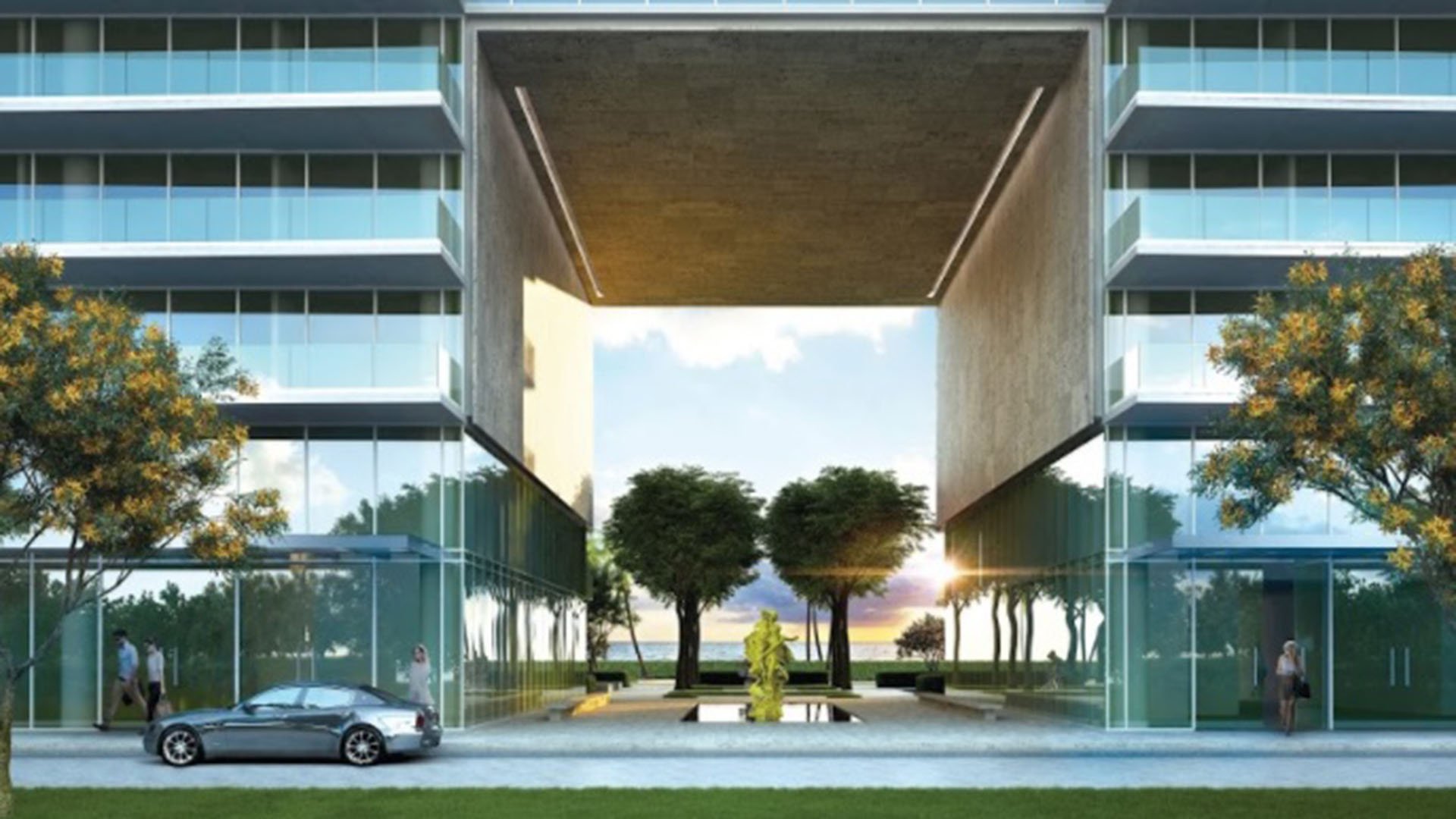
For a Bal Harbour household preparing for South Florida gala season, privacy begins before the car reaches the entrance. Temporary security, visiting guests, drivers and photographers need clearly defined roles that do not turn a residential lobby into an event checkpoint. The aim is a composed arrival that respects the household and its neighbors.
Start with three distinct questions: what the household wants, what the building authorizes and what the municipality requires. A private security engagement does not replace building permission or municipal approval. The staffing, communications and information-handling suggestions below are planning recommendations, not universal Bal Harbour rules.
For buyers considering Oceana Bal Harbour, event-week readiness belongs in the management conversation alongside everyday residential service. Ask how a proposed arrangement would be reviewed; do not assume a property permits outside personnel or dedicated arrival procedures.
Prepare a short operational brief for management before finalizing the security assignment. Outline the proposed dates, personnel, arrival activity, equipment and any requested use of common areas. Distinguish a guest escort from a staffed lobby position, and a driver waiting nearby from a vehicle occupying a building-controlled space. Ask which arrangements are permissible.
Request written confirmation of the approved scope, and designate one building contact and one household decision-maker. Temporary staff should receive only the access management authorizes. Proposed elevator arrangements, service-entrance use and credential procedures should be reviewed in advance, not improvised on arrival.
Keep the brief proportionate. Management may need arrival windows and staff identities, but not the household’s complete social itinerary. Propose a process for last-minute substitutions and unexpected visitors that preserves the building’s established controls.
For a purchaser evaluating Rivage Bal Harbour, the useful due-diligence question is how applicable policies will be documented and confirmed. Project identity alone is not evidence of a specific security arrangement.
Bal Harbour Police administration coordinates off-duty and special-event police services, as well as major-event coordination and operational response. The departmental contact number is 305-866-5000. Use it to discuss the proposed activity and determine whether police coordination is appropriate. An inquiry is not a reservation or approval.
Confirm off-duty availability directly. Likewise, do not plan around a supposed universal guard-to-guest ratio. Ask the security provider to explain its proposed coverage in relation to the assignment, building permissions and any municipal conditions.
Request a written scope for the temporary team that identifies responsibilities, supervision, handover arrangements and escalation contacts. Specify who communicates with management, who assists the household and who handles guest-schedule changes. These are recommended contractual clarifications, not locally mandated staffing specifications.
An event-specific approval in Bal Harbour has required a written security plan approved by the Village Manager or designee and valid credentials or tickets for site access. Those conditions should not be generalized into requirements for every private gathering or condominium entrance. Confirm what applies to the particular event.
The question is not simply whether an evening is private. Identify what will occur, where it will occur and which spaces the plan involves.
Covered filming or photography on publicly owned, managed or controlled sites, facilities and rights-of-way requires a permit, subject to stated exceptions. Applications identify the applicant, location, duration and parking plan. A household’s permission to photograph its guests is not permission to conduct a covered shoot in public space.
Beach access permitting also falls within police administration’s responsibilities. If the proposed operation involves beach access, ask which permissions apply rather than assuming residential access settles the question.
For special events seeking to extend daytime noise limits into nighttime hours, a historical noise provision specifies a written application at least 10 days before the event. Conditions may include off-duty police. Confirm current applicability and approval conditions with the Village; this is not a universal deadline for every gathering or permit.
Direct permit-related questions to [email protected] or 305-866-4633. Describe the activity precisely so the inquiry addresses the proposed photography, access or noise arrangement, rather than an abstract request for event permission.
Treat the communications plan as a separate deliverable from staffing. Ask the provider to establish lawful equipment use, an agreed channel arrangement, a supervisor contact and a fallback method. Do not assume a standard Bal Harbour private-security frequency or access to police radio systems.
As a recommended privacy practice, keep routine radio messages brief and avoid broadcasting guest names, residence numbers or detailed itineraries. Agree on simple role identifiers and plain-language status messages before deployment. Move sensitive changes to an agreed, appropriately protected communication method rather than an open exchange across the team.
An earpiece is not proof that a radio transmission is confidential. Ask the provider to explain the equipment’s privacy limitations, and test communications in building-approved locations. The plan should also specify how staff contact emergency services when needed; private radios are not a substitute.
Consider a limited-distribution guest list with one person responsible for updates. Give each participant only the information needed for the assigned task, while preserving the identification checks management requires. Avoid distributing an entire itinerary to coordinate a single arrival.
Discuss confidentiality terms, staff photography restrictions and social-media expectations in advance. Present them as proposed contractual or household practices, not municipal law. Agree on how temporary credentials and guest information will be handled afterward, subject to applicable retention obligations.
For households comparing Bal Harbour with Surfside, including The Surf Club Four Seasons Surfside, carry these questions into the property review without carrying over municipal assumptions. Confirm the requirements for the actual location and the policies for the particular residence.
Before deployment, conduct a brief review with the household lead, security supervisor and building representative. Reconfirm approved positions, arrival communications, visitor exceptions and the end of the assignment. Afterward, review any friction privately and close out temporary access with management.
For a buyer, the meaningful question is whether expectations can become a clear, authorized plan. Seek documented responsibilities rather than assurances of absolute privacy. The most discreet arrangement should support residential life, not compete with it.
Explore South Florida residences with a more considered approach to privacy and daily living at MILLION.
If branded residences are on your mind — as a home or as an allocation — we would be glad to share what we are seeing, privately.
Begin a quiet conversationBal Harbour Police administration coordinates off-duty and special-event police services. Contact the department at 305-866-5000 to discuss the proposed activity.
No. Confirm availability and the applicable arrangements directly before relying on police staffing in the event plan.
Yes, as a planning practice, seek confirmation of the proposed personnel, positions and access before deployment. Municipal coordination does not replace building permission.
An event-specific approval has required an approved written security plan, but that does not establish a universal requirement. Confirm the conditions for the particular event.
Do not assume a universal ratio. Ask the provider to justify coverage against the assignment, building permissions and applicable municipal conditions.
No. Have the provider establish its own lawful communications arrangement and confirm any authorized coordination separately.
As a recommended privacy practice, avoid guest names, residence numbers and detailed itineraries in routine radio traffic. This is not presented as a Bal Harbour legal requirement.
Covered filming or photography on publicly owned, managed or controlled sites, facilities and rights-of-way requires a permit, subject to exceptions. Confirm applicability for the proposed location and activity.
No. The historical provision concerns special events seeking to extend daytime noise limits into nighttime hours; confirm current applicability and conditions with the Village.
Direct permit-related questions to [email protected] or 305-866-4633. Describe the proposed activity, location and operational needs clearly.