Viceroy Brickell pairs exceptional urban connectivity with road trips that become materially less predictable during weekday rush, major events and winter peak season. Buyers should assess the address through recurring family and travel schedules, not ideal-condition drive times.
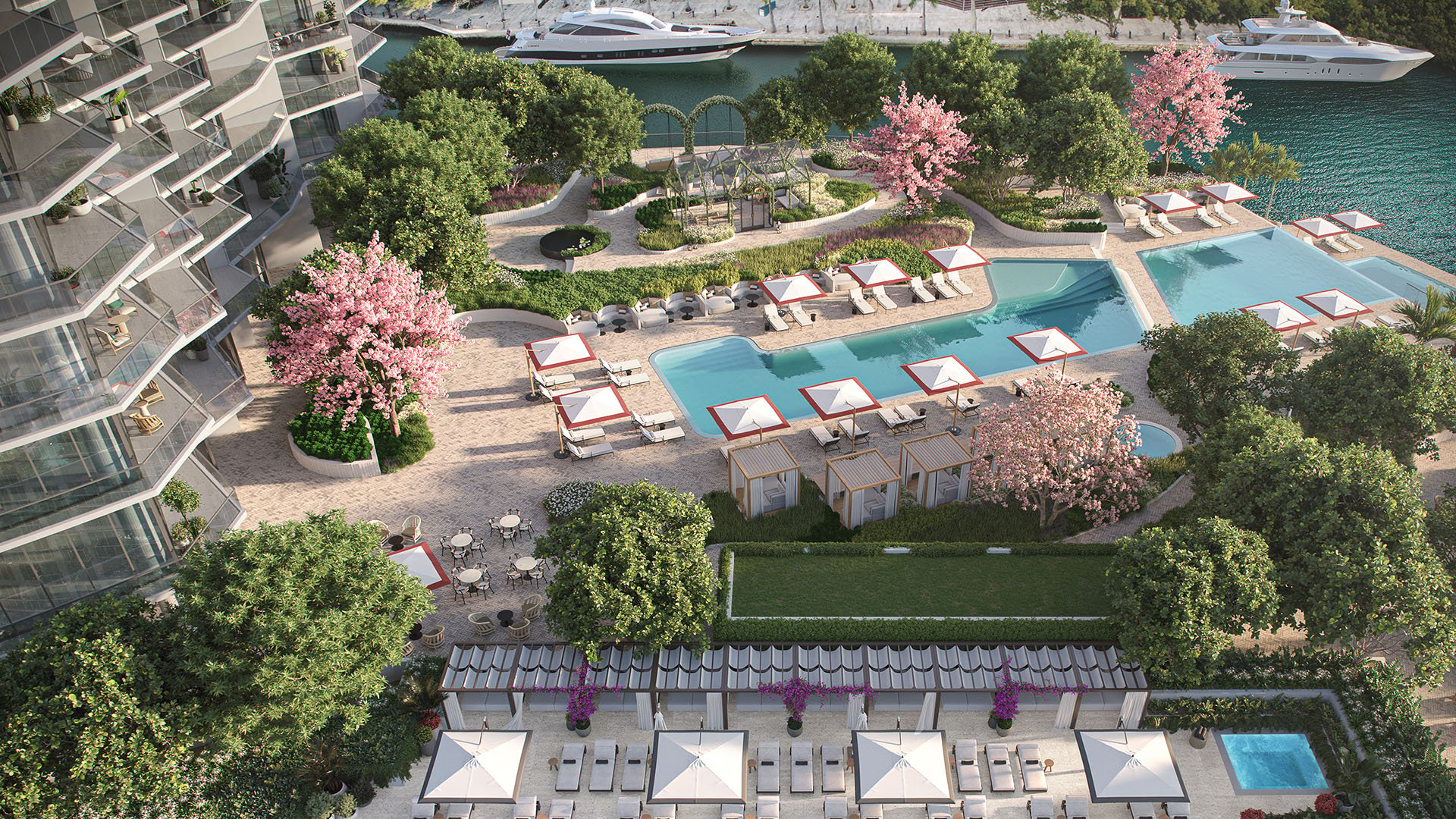
At 77 SE 5th St in the One Brickell complex, Viceroy Brickell occupies a compelling position in Miami's financial district. Brickell City Centre, Mary Brickell Village, Downtown Miami and Metromover service all form part of the immediate urban proposition. The surrounding area has a Transit Score of 100, classifying it as a Rider's Paradise.
That connectivity is the central luxury. Daily life within the core can require less reliance on a car, with restaurants, offices and shopping close at hand. Favorable-condition estimates place Miami International Airport, Miami Beach and Key Biscayne 15 minutes away, with Wynwood at 10 minutes. These are useful benchmarks, not peak-season promises.
Distance alone understates the issue. Brickell is approximately 7.4 road miles from MIA, and a best-case drive can take about 14 minutes. Typical airport journeys range from 15 to 20 minutes, with a broader normal range of 15 to 25 minutes.
Variability emerges at the neighborhood's edges and along SR-836. Miami's general weekday rush runs from 7:00 to 9:30 a.m. and 4:00 to 7:00 p.m., with evening delays proving more consistent. Brickell Avenue's principal congestion windows are approximately 8:00 to 9:30 a.m. and 5:00 to 7:00 p.m.; the avenue alone can add 10 to 20 minutes. SR-836 is busiest eastbound from 7:00 to 10:00 a.m. and westbound from 4:00 to 7:30 p.m.
Season adds another layer. Art Basel in December, the Miami Open in March and spring break in March and April can intensify demand, while Fridays may deteriorate after 3 p.m. When rush hour, rain and event traffic converge, a favorable 20-to-25-minute crosstown journey can stretch to 40 to 55 minutes.
There is no standardized peak-season, door-to-door table from Viceroy to individual schools. Private-school access should therefore be assessed at the corridor level, using the family's actual arrival time, pickup window and extracurricular calendar.
A school reached by crossing the urban core may appear close on a map yet require a meaningful buffer during Brickell's morning release. The more useful exercise is to test the route on a Tuesday morning and again during afternoon pickup, then account for siblings, drivers and after-school commitments. Here, the address's walkability may offset some friction: adult routines within Brickell can remain local even when the school run cannot.
Families comparing urban and lower-density options can use 2200 Brickell as another Brickell reference point, then contrast its geography with Park Grove Coconut Grove. The purpose is not to assume equivalent travel times, but to determine which side of a recurring school corridor best suits the household.
For MIA, a standard-condition drive of 15 to 20 minutes, plus a recommended peak buffer of 20 to 30 minutes, supports planning for roughly 35 to 50 minutes on the road. Terminal processing and security time come afterward. Evening rush can push the drive beyond 30 minutes, particularly on SR-836.
The Orange Line offers a valuable alternative. Train time between MIA and Brickell Station is about 20 minutes, while a more realistic door-to-door journey to a Brickell destination takes 40 to 45 minutes. It may not replace a chauffeured transfer for every trip, but it creates redundancy when road reliability matters more than door-to-door privacy.
Private aviation broadens the calculation. Typical baselines from Brickell or Downtown are 25 to 35 minutes to Miami-Opa Locka Executive Airport and 20 to 30 minutes to Miami Executive Airport in Tamiami. Opa-locka has the longest of these three airport baselines but offers an alternative to MIA's commercial environment. Departure hour remains decisive.
Club access outside the urban core deserves the same discipline as a school commute. A standing 6 p.m. reservation collides with Brickell's evening congestion window; an off-peak late-morning departure presents a different proposition. Buyers oriented toward Miami Beach should compare the bridge-dependent routine with a residence such as Five Park Miami Beach, without assuming either location solves every cross-bay journey.
The relevant lifestyle question is frequency. An occasional dinner supports a generous buffer. Daily training, golf, tennis or recurring family appointments may justify choosing a residence on the same side of the household's dominant corridor.
Viceroy makes its strongest case for residents who prize a walkable Brickell and Downtown Miami base, can shift selected departures outside rush hour, and value transit as a practical fallback. Its trade-off is not remoteness, but variability whenever the day requires a car.
Before committing, model one ordinary week and one peak-season week. Include school arrival, afternoon pickup, Friday airport departures and recurring club times, then assign a realistic buffer to each. The result will be more revealing than any single favorable-condition estimate-and more aligned with how an ultra-premium residence must perform.
Where is Viceroy Brickell located? It is at 77 SE 5th St within the One Brickell complex in Miami's Brickell Financial District.
Is Viceroy Brickell walkable? Yes. Its setting is close to Brickell City Centre, Mary Brickell Village, Downtown and Metromover service.
How long is the normal drive from Brickell to MIA? Typical estimates span roughly 15 to 25 minutes, with a best case near 14 minutes.
How much time should I plan during peak rush to MIA? Allow approximately 35 to 50 minutes of road time, before accounting for terminal processing and security.
When is Brickell Avenue most congested? The principal windows are approximately 8:00 to 9:30 a.m. and 5:00 to 7:00 p.m.
Does Metrorail provide a reliable airport alternative? The Orange Line takes about 20 minutes by train and roughly 40 to 45 minutes door to door.
Can buyers rely on standard school commute times? No standardized peak-season table exists, so test the relevant route at actual drop-off and pickup times.
What seasonal periods deserve extra caution? Art Basel in December, the Miami Open in March and spring break in March and April can increase traffic.
Is Viceroy suitable for frequent private-club use? It can be, but the club's corridor and appointment time should be tested against recurring peak traffic.
What is the central ownership trade-off? Buyers gain exceptional urban access while accepting greater road-time variability beyond the core.
To compare the best-fit options with clarity, connect with MILLION.
If branded residences are on your mind — as a home or as an allocation — we would be glad to share what we are seeing, privately.
Begin a quiet conversation