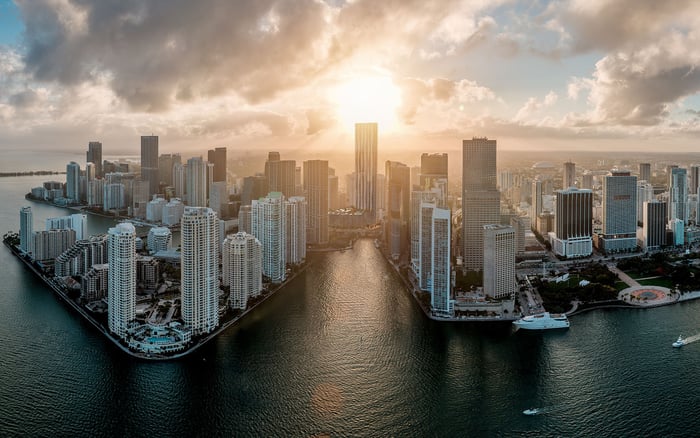
The boat show encourages luxury buyers to assess waterfront homes as part of a complete yachting system, with dockage, navigation, crew operations, security, and provisioning all subject to verification.
The Miami International Boat Show does more than place exceptional vessels against a cinematic skyline. It gives prospective homeowners a concentrated lesson in what yacht ownership requires on land. Sea Isle Marina at 1635 N. Bayshore Drive became the show’s home, bringing marina capacity and operations to the foreground. Plans to transform the facility into a world-class boating destination further underscore the infrastructure behind a polished waterfront experience.
For a luxury buyer, the shift is consequential. The question is no longer simply whether a residence faces Biscayne Bay. It is whether the home, dockage arrangement, crew route, security structure, maintenance support, and provisioning network function as one coherent system.
Waterfront ownership does not necessarily convey a slip. “Marina access” can mean an on-site berth, deeded dockage, a rental arrangement, club membership, or merely proximity to a separate facility. Each structure provides a different degree of control, availability, cost, and long-term certainty.
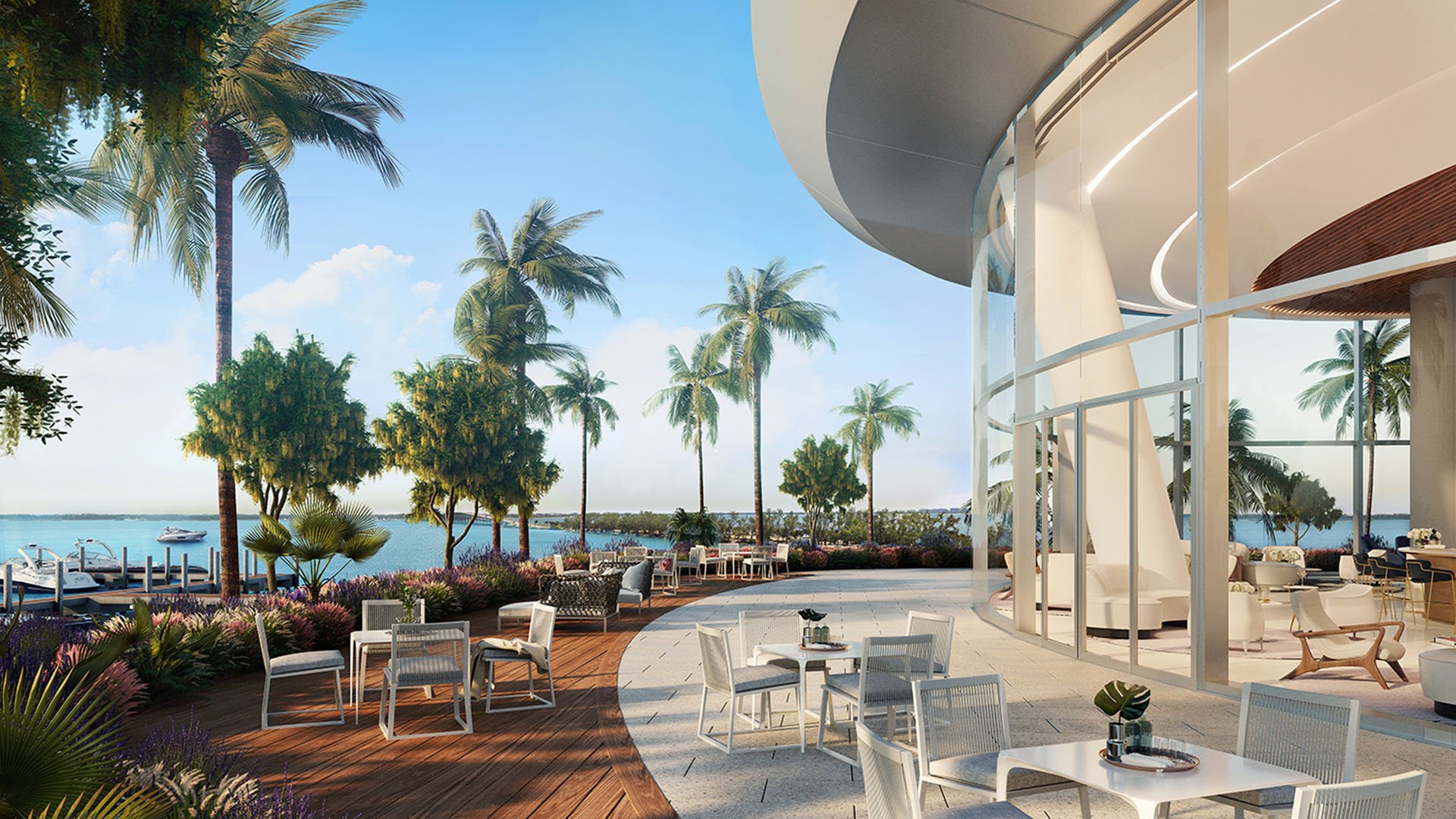
This distinction is especially relevant in Brickell, where Una Residences Brickell has made marina access a defining residential differentiator. The required diligence is documentary: confirm slip availability, tenure, maximum vessel dimensions, fees, and membership obligations in writing. Broad amenity language is no substitute for enforceable access.
That discipline also explains why private resident marinas have become a Miami super amenity. South Florida homes with a personal dock, slip, or structured marina arrangement have been associated with price increases of up to 20 percent. The premium, however, should reflect genuine utility rather than a generic waterfront label. In a buyer’s guide, the boat-slip question belongs near the beginning of the search, not the end.
Length is only one constraint. Beam, draft, depth, bridge clearance, turning space, and the route to open water can determine whether a seemingly ideal address is operationally viable. In neighborhoods such as Gables by the Sea, canal depth and bridge restrictions matter as much as shoreline position.
One slip at Deering Bay Yacht & Country Club can accommodate vessels up to 55 feet, with direct ocean access and no fixed bridges or height restrictions. At the other end of the spectrum, Yacht Haven Grande on Watson Island can accommodate vessels up to 550 feet. The contrast shows why buyers should assess the yacht’s actual profile before narrowing the residential map.
The marina may therefore become the fixed point around which the home search is organized. A residence such as One Thousand Museum Downtown Miami has been paired with Yacht Haven Grande through an estimated seven-to-ten-minute drive, demonstrating the logic of a residence-plus-separate-home-port strategy.
A berth is useful only if captains, crew, technicians, and suppliers can reach and service it predictably. Buyers should examine access controls, security procedures, dockmaster support, permitted service activity, and the practical movement of provisions from land to vessel. These details determine whether departure feels effortless or demands repeated coordination.
The operational profile at Deering Bay includes dockmaster support, fuel, pump-out facilities, and 24-hour security. The point is not that every owner needs the same service model. It is that crew requirements should be measured against a facility’s actual capabilities rather than inferred from its appearance.
In Sunny Isles Beach, Turnberry Ocean Club Sunny Isles offers residents complimentary access to the nearby Turnberry Isle Marina & Yacht Club. The arrangement may suit owners who value an oceanfront residence while accepting that yacht operations occur at a separate location. The transfer route and access terms remain integral to the ownership equation.
Provisioning reveals the difference between beautiful dockage and capable dockage. Fuel availability, pump-out service, maintenance coordination, security, delivery access, and dockmaster assistance all shape readiness. A buyer should ask how supplies reach the vessel, when outside vendors may enter, and which services require advance scheduling.
Membership costs also belong in the effective boating budget. Fisher Island Club has required an equity membership of more than $250,000 that includes marina access. For buyers considering The Links Estates at Fisher Island, the broader point is to separate the residential purchase from club, marina, and recurring operating obligations-and then assess them together.
The post-show buyer should begin with the vessel and work backward. Confirm dimensions, navigational constraints, slip rights, fees, and availability. Then test crew access, security, maintenance support, fuel, pump-out, and provisioning. Finally, compare an on-site solution with a high-capacity nearby home port.
Miami boating communities may provide community marinas, private docks attached to select homes, or both. The best choice is not automatically the closest berth. It is the arrangement that delivers dependable control, a viable ocean route, and an operating framework suited to the yacht.
Does buying a waterfront Miami residence guarantee a boat slip? No. Dockage may be deeded, rented, membership-based, shared, nearby, or unavailable.
What should a buyer verify first? Confirm current slip availability, tenure, vessel limits, fees, and membership requirements in writing.
Why do fixed bridges matter? A fixed bridge can make a route unusable for a vessel whose height exceeds its clearance.
Is a private residential marina always preferable? No. A separate home port may provide greater capacity and support, particularly for larger yachts.
Which yacht dimensions affect residential suitability? Length, beam, draft, and height should be tested against the berth and navigation route.
What crew services deserve scrutiny? Review access controls, security, dockmaster support, maintenance permissions, and supplier procedures.
Why are fuel and pump-out facilities important? Their availability can simplify routine readiness and reduce additional vessel movements.
Should club membership be included in the budget? Yes. Initiation, equity, marina, and recurring fees can materially affect effective ownership costs.
Can marina access influence property value? Structured boating access has been associated with South Florida price increases of up to 20 percent.
What is the boat show’s central lesson for buyers? Evaluate the residence and yacht operation as one system, not as separate lifestyle purchases.
If you'd like a private walkthrough and a curated shortlist, connect with MILLION.
If branded residences are on your mind — as a home or as an allocation — we would be glad to share what we are seeing, privately.
Begin a quiet conversation