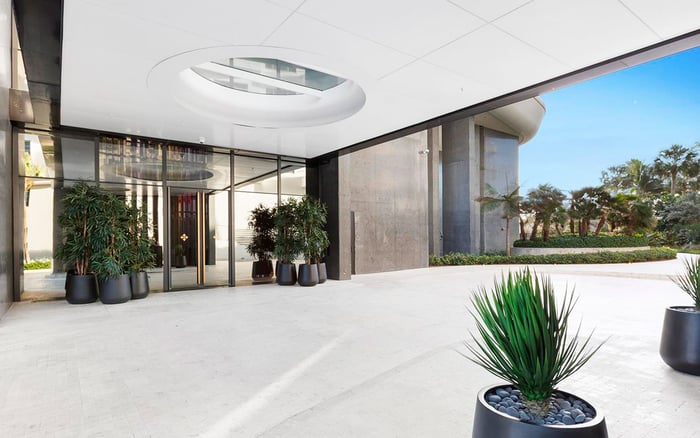
A lock-and-leave evaluation of The Surf Club Four Seasons Surfside should focus on written responsibilities, private-residence access, storm preparation, insurance, backup systems, service costs, and post-event procedures before an extended absence.

For a seasonal buyer considering The Surf Club Four Seasons Surfside, lock-and-leave ownership should be evaluated as an operating arrangement rather than a general lifestyle promise. The central question is whether the residence, management procedures, owner authorizations, and personal insurance strategy work together during a prolonged summer absence.
A buyer should request current written materials and identify which party is responsible for each recurring or emergency task. Verbal descriptions should be converted into a residence-specific plan that addresses routine monitoring, communications, access, repairs, storm preparation, and the owner’s eventual return.
The scope of standard operations should be distinguished from services that require a separate request, fee, or agreement. Buyers can ask for an itemized explanation of what occurs automatically, what must be scheduled, and what remains entirely the owner’s responsibility.
The review should cover frequency, notice periods, pricing, documentation, cancellation terms, and escalation procedures. Availability alone does not establish that a service will be performed during every absence or under severe-weather conditions.
A practical ownership budget should therefore reflect the specific care plan the buyer expects to use. It should also account for any private vendors or representatives needed when a requested task falls outside the property’s standard scope.
Private-residence access is a core diligence issue. The owner should determine who may enter, for what purposes, under which authorization, and how each visit will be recorded. Any standing permission should be reviewed carefully, particularly if it covers inspections, urgent repairs, or access by outside vendors.
The protocol should identify who receives alerts and who can approve work when the owner cannot be reached. It should also establish a spending threshold, documentation requirements, and a clear path for decisions that exceed the original authorization.
Security procedures and permission to enter a private home are separate matters. Buyers should not assume that one automatically establishes the other.
Before a summer departure, the owner should obtain the applicable emergency materials and clarify the division of responsibility for storm preparation. Questions may address balcony contents, doors and windows, water controls, refrigeration, interior documentation, communications, evacuation conditions, and post-event inspections.
Backup systems require component-specific answers. Buyers should ask which building functions receive backup support, how those systems are intended to operate, and what limitations may apply during an extended interruption. Current answers should come from the appropriate property, association, insurance, and professional representatives.
Insurance diligence should address both the private residence and the broader building framework. The owner should review coverage, deductibles, exclusions, vacancy conditions, reporting obligations, and the documentation expected after a loss with qualified insurance and legal advisers.
A storm can affect access even when the private residence has not sustained visible damage. The absence plan should explain how updates will be delivered, when inspections may occur, and what process applies before an owner or representative returns.
The return protocol should be as specific as the departure checklist. It can assign responsibility for confirming access, reviewing the residence, restoring owner-selected settings, coordinating approved work, and reporting unresolved issues before arrival.
Buyers considering other South Florida residences may also review Four Seasons Hotel & Private Residences Fort Lauderdale, Four Seasons Residences Coconut Grove, and Shore Club Private Collections Miami Beach. These options should not be presumed to have equivalent operations, services, costs, access rules, or emergency procedures.
A useful comparison places the same questions before each property and records the answers line by line. Staffing structure, private-unit authority, routine monitoring, storm procedures, backup systems, insurance obligations, optional care, and owner costs should all be examined through current documents.
For The Surf Club Four Seasons Surfside, lock-and-leave confidence ultimately depends on documented responsibilities and realistic expectations. A tailored protocol can help an owner understand what is scheduled, what requires separate approval, who can act during an absence, and how the residence will be assessed before the owner returns.
What does lock-and-leave ownership require during a long absence? It requires a written plan that allocates responsibility for monitoring, communications, access, repairs, storm preparation, and return procedures.
Should buyers rely on general service descriptions? No. Buyers should request current written details covering scope, frequency, costs, notice requirements, and limitations.
Why should standard and optional services be separated? The distinction clarifies what occurs automatically, what requires a separate request or fee, and what remains the owner’s responsibility.
How should private-residence entry be handled? Entry authority should identify who may enter, under what circumstances, for which tasks, and how access will be documented.
Who should be allowed to approve an urgent repair? The owner should designate an authorized decision-maker and establish written spending and reporting limits before departure.
What should a hurricane-preparation checklist address? It should address the residence’s relevant exterior and interior items, communications, access, inspections, and the division of responsibility.
What should buyers ask about backup systems? They should request system-specific explanations of what receives backup support, how it is intended to function, and what limitations apply.
Why does insurance require separate review? Private coverage and building-level arrangements may involve different responsibilities, conditions, deductibles, exclusions, and reporting requirements.
What should happen after a severe-weather event? The written plan should establish how updates are provided, when access or inspections may occur, and how damage or repairs will be documented.
How should buyers compare South Florida branded residences? They should use the same diligence checklist for each property and verify current operations, costs, access rules, emergency procedures, and owner obligations.
For a tailored shortlist and next-step guidance, connect with MILLION.
If branded residences are on your mind — as a home or as an allocation — we would be glad to share what we are seeing, privately.
Begin a quiet conversation