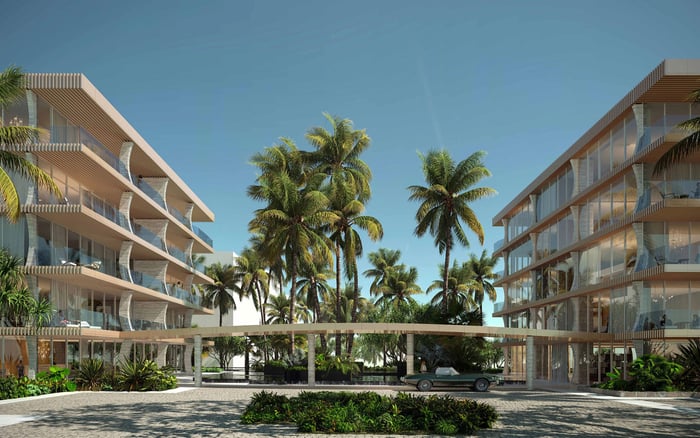
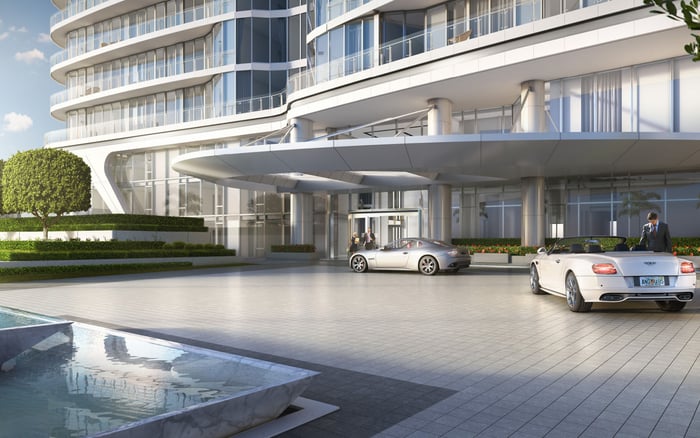
Private-elevator access can involve different layouts, credentials and operating procedures. This buyer-focused guide outlines what to verify about elevator routes, visitor registration, building apps and biometric data before purchasing a South Flagler Drive residence.
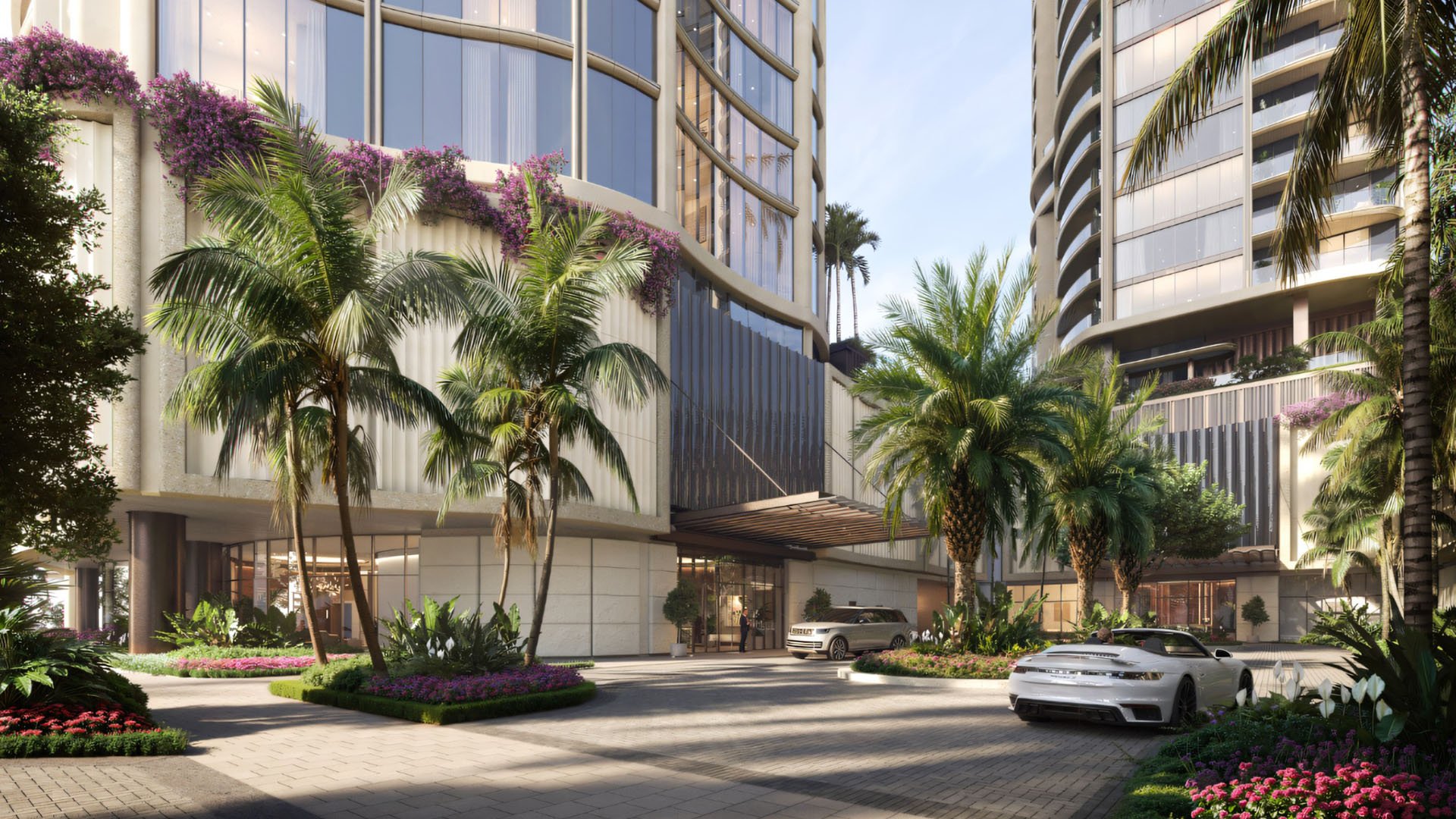
For a buyer considering a residence along South Flagler Drive in West Palm Beach, “private elevator” should be treated as a starting point for due diligence rather than a complete description. The phrase may refer to direct entry into a home, a private vestibule or another controlled arrival arrangement. Request the floor plan and written access procedures for the specific residence under consideration.
Physically trace the route from each permitted entrance to the residence. Determine which credentials are required, which floors they authorize and whether guests or staff use a different elevator bank. Ask what happens during maintenance, a power interruption, a credential failure or an emergency.
When reviewing options such as South Flagler House West Palm Beach, focus on the plans and procedures applicable to the particular residence. Marketing language for a property should never substitute for unit-specific confirmation.
A polished resident entrance does not explain how staff, contractors, movers, packages or catered events are handled. Ask management to demonstrate both the resident route and the service route. Identify every controlled door, elevator transfer and restricted area involved.
For a residence at Forté on Flagler West Palm Beach, or any comparable South Flagler Drive option, request written clarification about foyer access, guest escort rules and temporary credentials. Confirm whether staff permissions can be limited by floor, date or time and how quickly those permissions can be suspended.
The review should also address deliveries. Determine where packages are accepted, how residents are notified and whether delivery personnel can proceed beyond a designated handoff point. If the household regularly uses domestic staff or vendors, test those workflows before closing.
Request a separate registration workflow for personal guests, household staff, contractors and deliveries. For each category, ask who may grant permission, what information is collected, how long access remains active and which areas become available.
Test realistic situations. Ask how an owner authorizes a guest while away, whether permission can be delegated to a spouse or household manager, and what happens if a visitor arrives early or with an additional person. Determine whether identification is inspected, scanned or retained and who can review visitor records.
Revocation is equally important. Temporary access should have a defined expiration, and recurring permissions should be capable of prompt suspension. Ask how verbal approvals are recorded and communicated between staff shifts.
A building app may be used for access, guest invitations, amenity requests, package notices or service communications. Buyers should not assume that an app exists, that it is optional or that its features will remain unchanged.
Request the current app name, enrollment instructions, terms and privacy notice. Ask whether every resident must create an account, whether household members can receive separate permissions and whether a non-smartphone alternative is available. Confirm the process for a dead battery, lost phone, locked account, connectivity failure or vendor change.
For a property under consideration, including Maison D'Or South Flagler, obtain the applicable procedures during contract and document review. If a system or policy has not been finalized, identify what remains subject to change and seek updated information before closing.
Key cards, mobile credentials and biometric identifiers are different forms of access control. Do not infer the presence or absence of facial, fingerprint, iris or palm scanning from general security language. Ask directly whether any biometric system applies to residents, guests, staff or contractors.
If biometrics are used or contemplated, request the enrollment and consent process, the non-biometric alternative and the consequences of declining. Ask whether the system stores an image or a derived template, where the information is held, which parties can access it and whether it is used for any purpose beyond access control.
Retention and deletion terms should address a sale, lease termination, staff departure and vendor replacement. The policy should also explain incident notification, credential disablement and continued building access if the biometric system becomes unavailable.
Create a unit-specific file containing the elevator plan, access matrix, visitor procedures, resident handbook, app terms, privacy notices and applicable association rules. Include written responses about service access, package handling, credential replacement, emergency procedures and record retention.
Before closing, request an operational demonstration. Walk the approved arrival routes, authorize and revoke temporary access, review an after-hours scenario and test the stated backup method. Record any unresolved issue for follow-up through the appropriate contract, management or association review process.
Does private-elevator access always mean direct entry into the residence? No. Request the unit-specific plan and written explanation of where the elevator opens and who can enter that area.
Which elevator credentials should a buyer review? Review resident, guest, staff, contractor and emergency credentials, including their floor permissions and expiration rules.
Why should the service route be tested? A walkthrough shows how staff, movers, contractors and deliveries reach authorized areas without relying on assumptions.
How can an owner approve a visitor while away? Ask management to demonstrate remote authorization, delegated approval, identity checks and revocation procedures.
What should happen to temporary guest access? It should follow a documented process with defined permissions, expiration and prompt revocation.
Is a building app necessarily mandatory? Do not assume it is. Request the enrollment rules and any available alternative for residents without smartphone access.
What should a lost-phone procedure cover? It should address account suspension, identity verification, replacement access and restoration of the resident’s permissions.
Does general security language confirm whether biometrics are used? No. Ask directly which technologies apply and request the current policy in writing.
Which biometric provisions require review? Examine consent, alternatives, storage, permitted use, third-party access, retention, deletion and incident response.
What should be demonstrated before closing? Test arrival routes, guest approval, temporary-access revocation and the backup process for unavailable technology.
For a confidential assessment and a building-by-building shortlist, connect with MILLION.
If branded residences are on your mind — as a home or as an allocation — we would be glad to share what we are seeing, privately.
Begin a quiet conversation