A collector-focused comparison of Jade Signature and Bentley Residences, distinguishing documented residential features from the collection services, lighting specifications, and installation permissions buyers should confirm.
For a collector choosing a residence in Sunny Isles Beach, the decisive luxury may be invisible: a clear installation approval, a carefully controlled lighting plan, and a delivery route that accommodates a treasured work without improvisation. Architectural distinction and attentive residential service matter, but neither automatically establishes the conditions a collection requires.
Jade Signature Sunny Isles Beach and Bentley Residences Sunny Isles offer different starting points. Jade pairs a documented residential-management appointment with expansive, light-filled architecture. Bentley's marketed experience centers on automotive-integrated arrival and private outdoor living. Neither property's available specifications establish superior collection management, museum-grade artwork lighting, or a detailed resident-facing art-installation approval protocol.
That distinction is not a verdict on whether either building can accommodate a collection. It is a reason to assess the specific residence, proposed installation, and written service scope before committing.
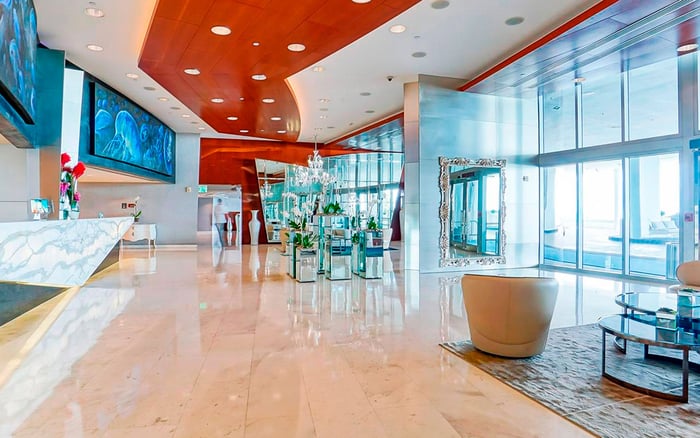
Jade Signature is a 57-story, 192-residence oceanfront condominium at 16901 Collins Avenue, with architecture by Herzog & de Meuron and interiors by Pierre-Yves Rochon. Its documented residence range extends from approximately 1,378 to 11,660 square feet, encompassing one- to five-bedroom homes, sky villas, and penthouses.
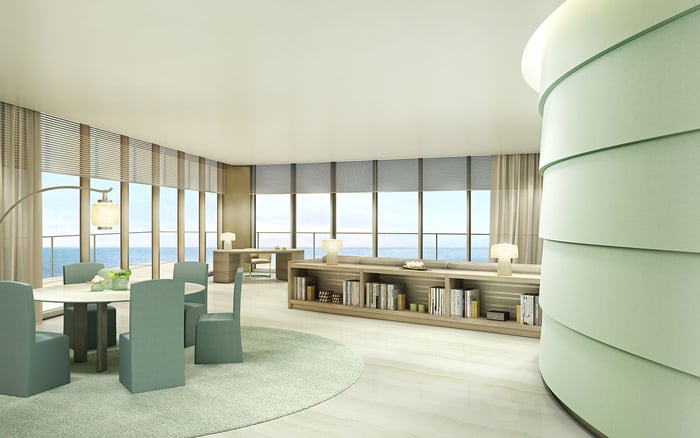
The design emphasizes floor-to-ceiling windows, large open interiors, non-reflective glass, and expansive terraces. For a collector, these features warrant closer examination: which walls suit the collection, where daylight falls, and whether the intended lighting and mounting systems can be installed. Non-reflective glass alone does not establish conservation suitability.
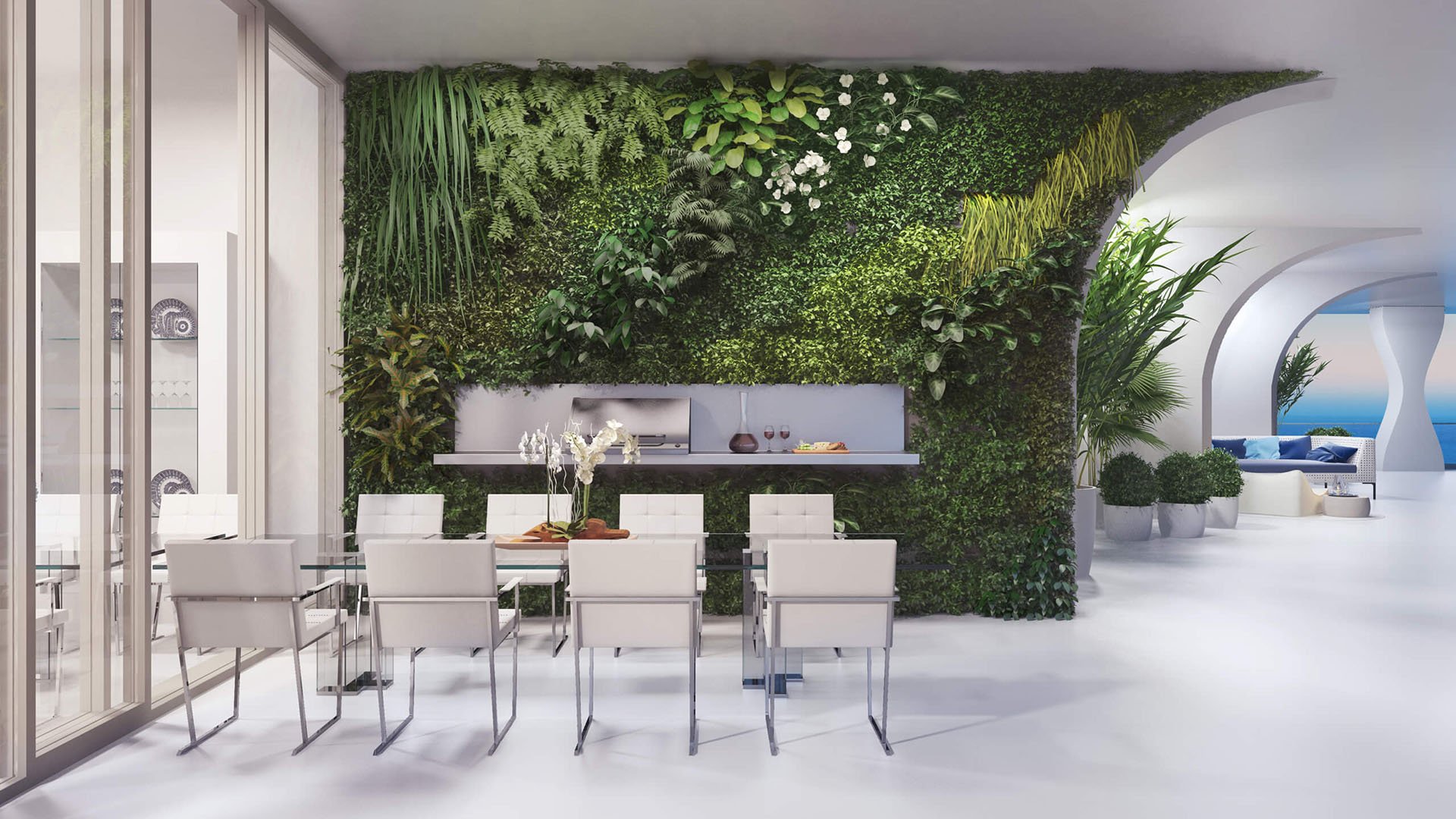
Bentley is presented as the automotive brand's first residential offering. Its planned Dezervator vehicle-elevator system is designed to bring residents and their cars directly to their residences. Marketed balconies include private heated swimming pools, summer kitchens, and generous outdoor living areas. These are lifestyle features, not evidence of artwork-handling infrastructure or environmental controls for art.
A useful comparison therefore begins with a floor plan annotated for the buyer's actual collection-not an assumption that either design language is inherently more collector-friendly.
A June 15, 2022 management appointment at Jade Signature covered property-management and lifestyle services. That dated appointment does not confirm the current management contract, nor should its broad scope be read as a commitment to specialist collection care.
For either property, request a written description of what staff will coordinate and what remains the owner's responsibility. Address inventory support, condition reporting, conservation advice, secure storage, specialist handling, and insurance coordination separately. Ask whether each function is provided directly, arranged through an outside specialist, or excluded.
Establish who may authorize access to the residence, who receives a delivery, and who records a work's condition at handover. These are questions to resolve, not services to presume. A helpful concierge introduction is not the same as a contracted collection-management responsibility.
If the shortlist includes Muse Residences Sunny Isles Beach, apply the same written questions. Consistency makes the comparison useful without assigning unverified art services to any building.
Bentley's documented special LED system guides residents toward the Dezervator. Its purpose is arrival and wayfinding; it does not establish a museum-grade lighting specification for artwork within residences.
At Jade, conceptual marketing imagery likewise cannot confirm installed lighting or finishes. The question is not whether a rendering looks gallery-like, but whether the proposed residence can support a lighting design appropriate to the works on display.
Request fixture schedules, color-rendering and color-temperature specifications, beam-control options, dimming capability, ultraviolet filtering, and recommended illumination limits. Have an art-lighting specialist assess those details against the collection rather than treating the phrase museum-grade as a complete specification.
Where possible, request a demonstration in the actual room or a representative installation. Evaluate how the proposed lighting interacts with daylight and glazing, and how it changes between daytime viewing and evening use. For a planned residence, distinguish the standard delivery specification from optional upgrades and owner-installed work.
The aim is a lighting plan with documented suitability, a defined approval path, and clear responsibility for installation-not simply an attractive fixture selection.
The available information does not establish a detailed resident-facing art-installation protocol for either property. That does not mean procedures are absent. Buyers should obtain the applicable condominium rules and alteration guidelines directly before relying on an installation concept.
Request contractor-insurance requirements, engineering-review criteria, delivery-reservation procedures, elevator limits, and common-area restrictions. Present the dimensions, weight, mounting method, and proposed location of significant works early so the relevant specialists can identify what requires review.
For Bentley, confirm how oversized artwork would reach the residence and whether a separate freight route exists. The Dezervator's automotive purpose should not be taken as approval for transporting art. Distinguish planned operating arrangements from procedures confirmed as available.
For both buildings, seek written clarity on permitted work hours, protective measures along the delivery route, and responsibility for any required restoration. If an installation is central to the purchase, resolve its feasibility before treating that wall or room as part of the collection plan.
Jade's windows and terraces, and Bentley's marketed outdoor living areas, warrant review by a conservation specialist. Ask that specialist to assess daylight, glare, humidity, and coastal exposure at each proposed location. An appealing view and a suitable display environment are separate considerations.
Bentley's balcony wind-reduction design is marketed with the claim that a candle can remain lit 30 floors above ground. That design claim is not independent performance verification, nor is it evidence that a balcony is appropriate for artwork.
For buyers also considering Regalia Sunny Isles Beach, the same placement review provides a disciplined comparison. Evaluate the work and the specific room together, without assuming that an oceanfront setting answers conservation questions.
Jade's six signature guest suites, approximately 561 to 628 square feet, are intended for visiting family and friends. Bentley's planned vehicle arrival and private outdoor amenities address a different aspect of residential life. Each can matter to a buyer without resolving collection care.
The strongest decision pairs the preferred residence with a documented plan for lighting, handling, installation approvals, and ongoing specialist support. Neither property should be declared the better home for art on architectural prestige or arrival technology alone.
For a discreet, collection-conscious approach to your South Florida residence search, connect with MILLION.
If branded residences are on your mind — as a home or as an allocation — we would be glad to share what we are seeing, privately.
Begin a quiet conversationThe documented management appointment covered property-management and lifestyle services, not a defined specialist art-service scope. Buyers should confirm collection-related responsibilities in writing.
The available specifications do not establish museum-grade artwork lighting. The documented LED system serves arrival and wayfinding toward the Dezervator.
Its documented purpose is transporting residents and their cars to their residences. Buyers should confirm approved artwork-delivery arrangements and whether a separate freight route exists.
Request fixture schedules, color-rendering and color-temperature specifications, beam control, dimming capability, ultraviolet filtering, and recommended illumination limits. A specialist should assess suitability for the particular collection.
A detailed resident-facing protocol has not been established in the available information. Obtain condominium rules and alteration guidelines before relying on a proposed installation.
No. The design feature does not establish appropriate exposure conditions for a particular artwork, so daylight and placement need specialist assessment.
The documented appointment was announced on June 15, 2022. That historical announcement does not confirm the current contract.
Treat its described features as planned or marketed unless completion and operating status are independently confirmed. Confirm delivery and installation arrangements separately.
Its amenities include six signature guest suites measuring approximately 561 to 628 square feet, intended for visiting family and friends.
The documented features do not establish a winner for collection management. Compare the specific residence, written service scope, lighting suitability, and installation feasibility.