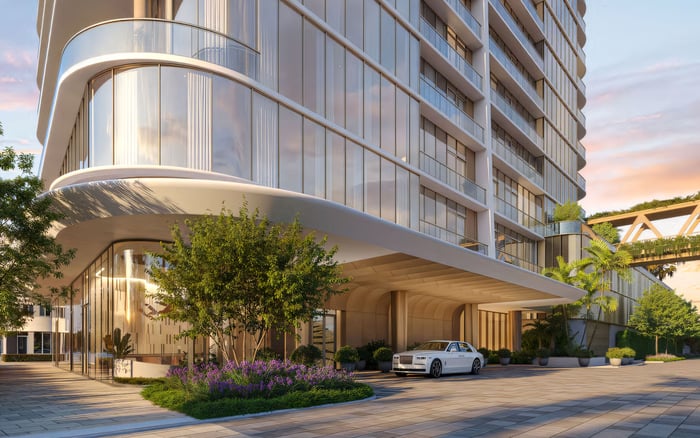
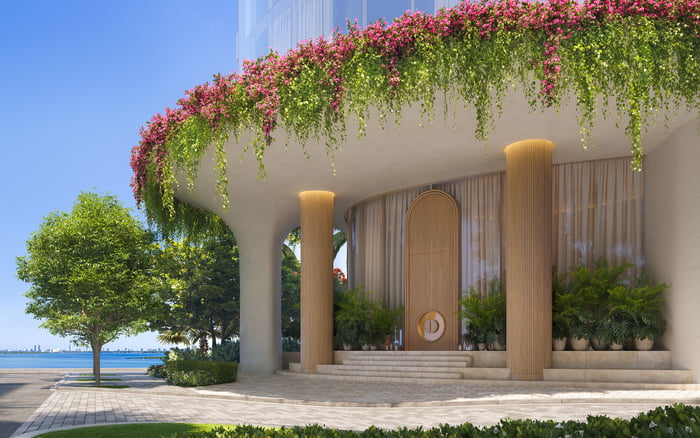
A security review of The Cove Residences Edgewater should follow the complete access sequence, from curb arrival and visitor screening to elevator permissions, service circulation, and residence entry.
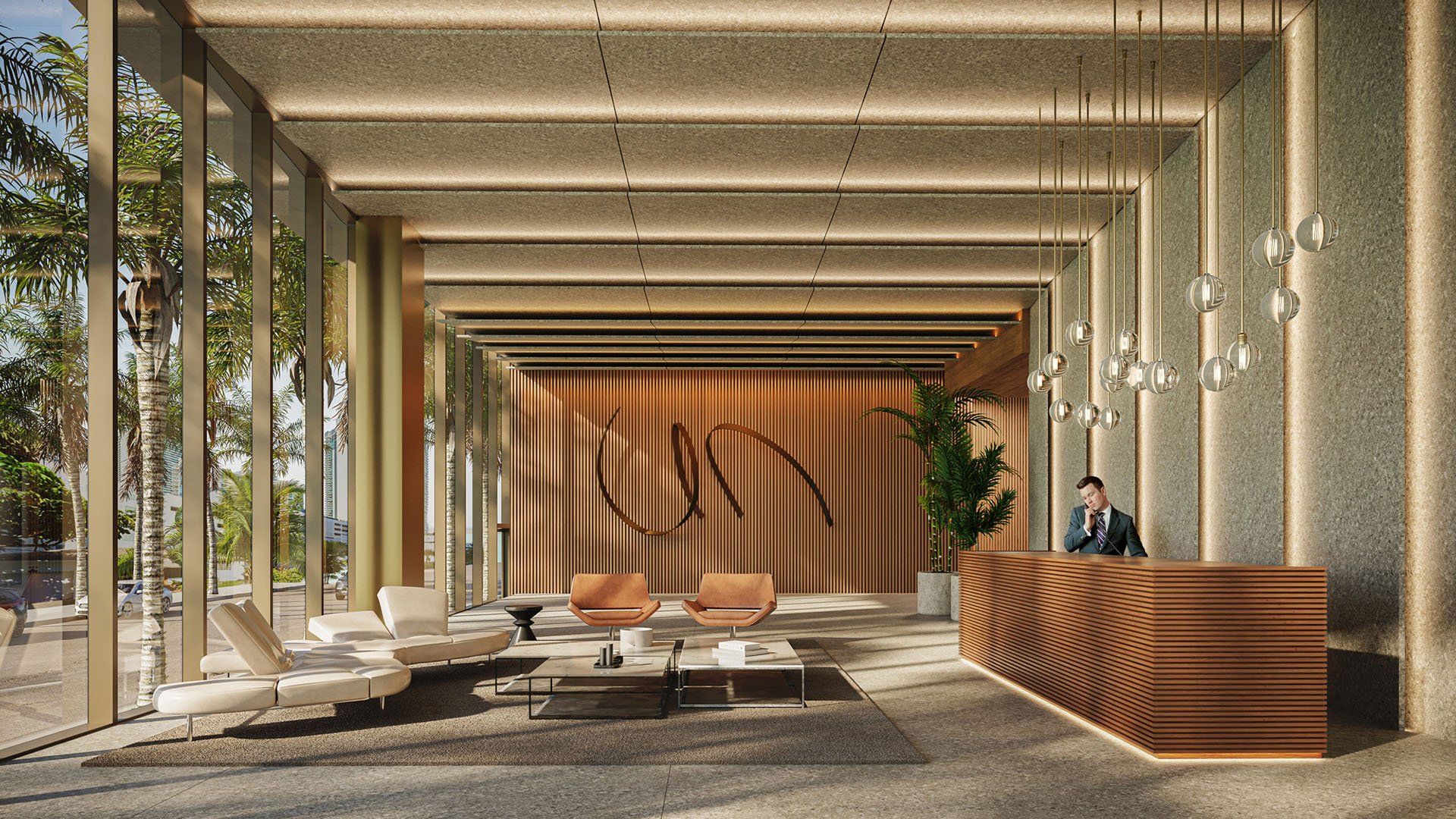
When evaluating The Cove Residences Edgewater, buyers should treat security as a continuous sequence rather than a single feature. The review should begin at curb arrival and continue through visitor screening, common areas, elevators, and the residence threshold.
Marketing terms such as “secure access” or “attended entry” are not substitutes for operating details. Buyers should request plans and documents that identify controlled doors, credential points, visitor routes, staff responsibilities, and procedures outside normal business hours.
Start by tracing how residents, guests, ride-share passengers, deliveries, and service providers would approach the property. Ask where each person waits, who authorizes entry, how an arrival is recorded, and whether someone can move from a vehicle area into resident circulation without another credential check.
Vehicle access deserves a separate review. Buyers should verify how parking entry, pedestrian exits, internal doors, and elevator connections are intended to work. Plans should make clear where a visitor’s route ends and where resident-only circulation begins.
The same method can support comparisons with Aria Reserve Miami. The goal is not to rank projects by broad security language, but to compare documented access sequences and operating responsibilities.
An attended arrival can improve service, but buyers should still determine who has authority to admit or refuse visitors, monitor access systems, respond to an alarm, and escalate an incident. They should also ask how coverage works when a team member is assisting someone away from the primary entry point.
Staffing descriptions should be reviewed alongside proposed rules and budgets. This helps buyers distinguish the guest-service function from the personnel, technology, and procedures responsible for access control.
Any entrance beyond the principal lobby should receive the same scrutiny as the main arrival. Buyers should identify all secondary doors and determine whether they connect to resident, guest, amenity, or service routes.
When comparing The Cove with Villa Miami, trace each circulation path shown in the available plans. Look for points where residents, invited guests, employees, contractors, or other users could intersect, then request clarification about the controls intended at those locations.
Amenity access should be evaluated by user type rather than through a single building-wide credential. A resident’s permissions may differ from those of a guest, vendor, contractor, or employee.
Ask whether temporary access can be limited by destination and time, whether use is logged, and whether permissions expire automatically. Buyers should also verify who can issue, modify, and revoke credentials.
This framework is useful when reviewing EDITION Edgewater or another South Florida condominium. Amenity design matters, but privacy also depends on how access is partitioned during everyday operations.
The phrase “private elevator” can refer to different configurations, so buyers should not rely on an implication. Request the exact elevator and lobby arrangement for the residence under consideration, including any shared vestibule, service connection, or alternate means of access.
Ask whether credentials restrict users to authorized floors, how guests receive permission, whether temporary access has an expiration time, and what happens when a credential is lost. Buyers should also confirm whether residence entry requires an additional lock or authentication step after the elevator opens.
Service circulation should be reviewed separately. Delivery, maintenance, moving, and contractor procedures can reveal whether private residential routes remain controlled during routine operations.
Request the available floor plans, access-control descriptions, draft condominium rules, staffing outline, and proposed budget. Review them together so that physical design, daily procedures, and operational funding can be assessed as one system.
A practical walkthrough can be especially useful. Ask the project team to explain a resident arrival, invited guest visit, delivery, contractor appointment, lost credential, and after-hours entry from beginning to end. Any unclear transition should be resolved in writing before a purchase decision.
Why should security be reviewed from the curb? Because an access chain is only as effective as its least-controlled transition. The review should begin before a person reaches the lobby.
Does an attended entrance confirm comprehensive security? No. Buyers should separately verify access technology, staffing authority, visitor procedures, monitoring, and incident response.
What should buyers ask about guest arrivals? Ask who authorizes entry, how the visit is recorded, where the guest waits, and whether access is limited by destination and time.
How should vehicle access be evaluated? Trace the route from vehicle entry through pedestrian doors and elevator connections, noting every point that requires authorization.
Are private elevators confirmed by marketing language alone? No. Buyers should verify the exact elevator and lobby configuration in the plans and governing documents.
What elevator credential details matter? Confirm floor restrictions, guest permissions, expiration rules, activity logging, and the process for replacing a lost credential.
Why should service circulation be reviewed separately? Deliveries, maintenance, moves, and contractor visits can create different access needs from ordinary resident and guest movement.
How should temporary access work? Buyers should ask whether it can be limited to a specific person, destination, and period, then revoked automatically.
Which documents are useful for this review? Available plans, access-control descriptions, draft rules, staffing information, and the proposed budget can be reviewed together.
What is the best way to test an access plan? Request step-by-step demonstrations of typical and after-hours scenarios, then obtain written clarification for any unresolved transition.
When you're ready to tour or underwrite the options, connect with MILLION.
If branded residences are on your mind — as a home or as an allocation — we would be glad to share what we are seeing, privately.
Begin a quiet conversation