For a Setai buyer, insurance diligence is a coordinated reading of the association’s master program, governing documents, HO-6 policy, loss-assessment protection, and flood coverage. The objective is to identify where responsibility shifts from the condominium to the owner before a loss or assessment occurs.
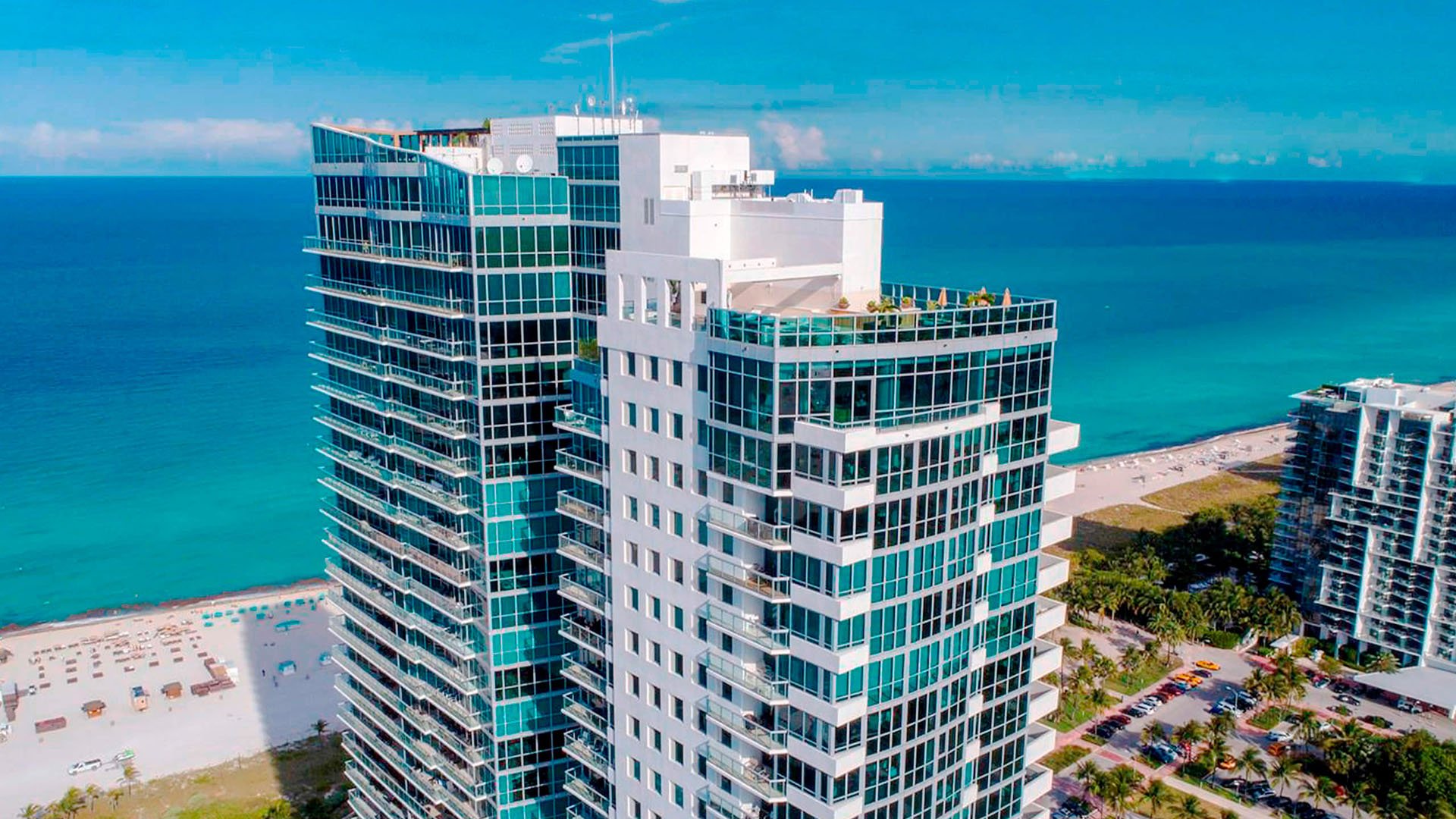
At Setai Residences Miami Beach, insurance review belongs within acquisition diligence-not among the administrative tasks deferred until closing. A buyer is not purchasing a freestanding structure governed by a single policy. Condominium ownership divides responsibility among the association’s insurance program, the governing documents, the owner’s HO-6 policy, loss-assessment coverage, and, where appropriate, separate flood protection.
The association’s insurance package includes a master policy, fidelity bond, directors-and-officers coverage, and flood coverage where applicable. That overview is useful, but it does not establish current limits, deductibles, exclusions, endorsements, carriers, or policy periods. Those terms determine how the program may respond when a serious loss affects the building, common property, or an individual residence.
The relevant question is not whether insurance exists, but where each layer begins and ends.
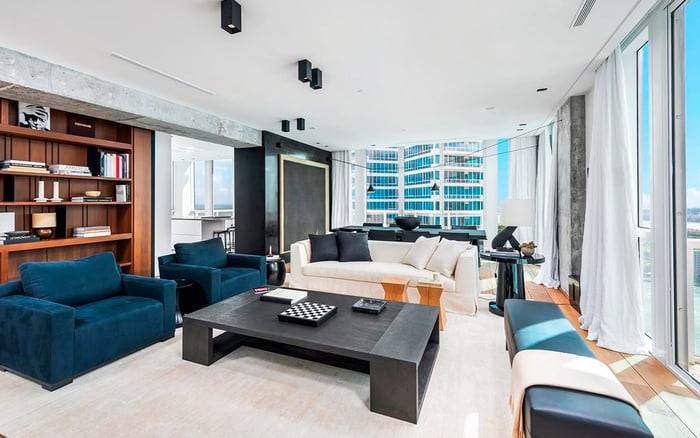
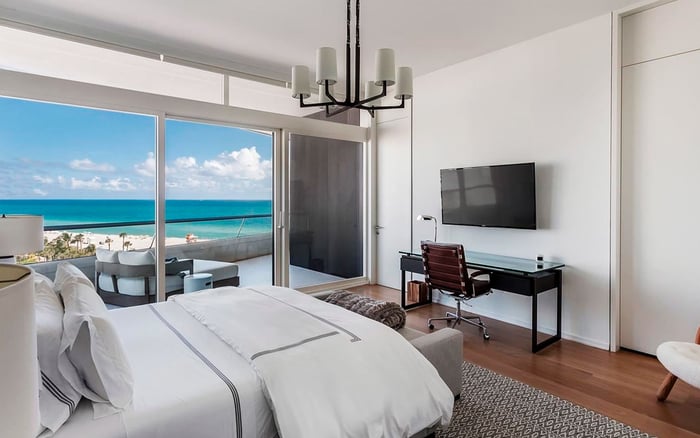
For an Oceanfront residence in Miami Beach, precision matters. A valuable interior may include stone, millwork, cabinetry, flooring, built-in systems, appliances, furnishings, and art whose replacement exposure bears little relationship to the residence’s headline market price.
Florida condominium law requires associations to insure condominium property, subject to statutory exclusions. In practical terms, the master policy generally addresses the building, exterior, common areas, shared amenities, balconies, and other association property. It should not be presumed to cover every component behind a residence’s front door.
The complete insurance schedule should be read alongside all relevant endorsements and evidence of coverage. Buyers and their advisers should examine the property, wind, flood, liability, fidelity, and directors-and-officers components, with particular attention to limits, deductibles, exclusions, and effective periods. A named peril may be covered while still exposing owners to a substantial association deductible or a limit shortfall.
The declaration and bylaws are equally important. Insurance language cannot be evaluated apart from provisions assigning repair duties or permitting deductibles and uninsured costs to be allocated among owners. The policy explains what the carrier may pay; the governing documents help establish who may remain responsible for the balance.
This discipline applies across the local luxury market, whether considering Shore Club Private Collections Miami Beach or evaluating a Resale purchase in an established condominium. Each association’s documents and insurance structure must be assessed on their own terms.
An HO-6 policy is the owner’s part of the insurance structure. It commonly addresses owner-responsible building items, personal property, personal liability, loss of use, and qualifying loss assessments, subject to limits, deductibles, exclusions, and policy language. Its design should begin with what the master policy and condominium documents leave to the owner.
For a luxury residence, generic assumptions can be particularly costly. Flooring, stone, cabinetry, millwork, built-in systems, custom finishes, and appliances should be inventoried and valued explicitly. The appropriate limit should reflect replacement exposure-not simply the purchase price, asking price, or a lender’s minimum requirement. Professional valuation may be appropriate when finishes are bespoke or difficult to replicate.
The same framework belongs in Buyer's Guides for other coastal properties, including The Perigon Miami Beach. The architectural expression may differ, but the buyer’s task remains the same: identify the boundary between association property and owner property, then insure the latter with deliberate limits.
An effective review should also address personal liability and loss of use. A residence may become temporarily uninhabitable after a qualifying loss, even as association repairs proceed. Policy terms should be examined for the scope, duration, and limits of that protection rather than inferred from a broad coverage label.
Loss-assessment coverage may respond when an association allocates an owner’s share of a qualifying common loss. Two scenarios warrant particular attention. First, a covered association claim may carry a large master-policy deductible allocated among owners. Second, the master policy’s limit may be insufficient to pay the association’s covered claim.
Florida law requires a unit owner’s residential property policy to include at least $2,000 in property loss-assessment coverage for assessments arising from the same direct loss. The deductible for that required coverage may not exceed $250. Yet the statutory minimum should not be mistaken for a recommendation appropriate to every luxury condominium. A major repair or catastrophe-related assessment can exceed that amount.
Owners should confirm the actual limit shown in their policy and model how it would respond to plausible allocations. The review should test both a large association deductible and a master-policy limit shortfall. It should also identify any sublimits, exclusions, event definitions, or notice conditions that could affect recovery.
Loss-assessment insurance is not a general reserve for every special assessment. It is generally confined to assessments arising from covered insurance losses or certain liability events. Ordinary dues, planned capital projects, deferred maintenance, and voluntary upgrades do not automatically become insured losses because the association funds them through an assessment.
For Investment planning, this distinction is central. The owner should separate insurable catastrophe exposure from ordinary condominium ownership costs and evaluate each on its own merits.
Virtually all of Miami Beach lies in an AE or VE flood zone. Buyers should distinguish the association’s building-level flood coverage, potentially structured through a residential condominium building association policy, from coverage for the owner’s contents and interior exposure.
A standard HO-6 policy excludes flood. Accordingly, neither the master property policy nor a conventional HO-6 should be assumed to protect all interior property from flood damage. The owner may need a separate contents flood policy, with limits selected after reviewing both the building program and the residence’s contents.
The issue extends beyond one address. A purchaser comparing 57 Ocean Miami Beach with another coastal condominium should request evidence of building flood coverage and obtain written advice on owner-level protection. Similar geography does not guarantee identical coverage.
Before selecting final HO-6 and loss-assessment limits, request the current master insurance schedule, declarations, endorsements, deductible details, flood evidence, and policy periods. Review them alongside the condominium declaration, bylaws, recent amendments, and provisions governing repair responsibility or deductible allocation.
Next, prepare a room-by-room estimate of interior replacement costs. Separate owner improvements and contents from property insured by the association. Then ask an insurance adviser to confirm in writing how the proposed HO-6 policy, loss-assessment endorsement, and any separate flood policy align with the current master program.
Finally, test the structure against several questions: What happens if the association deductible is allocated? What happens if a covered loss exceeds the master limit? Which interior elements remain the owner’s responsibility? What living-expense protection applies during repairs? Which flood losses remain outside both property policies?
Insurance does not determine whether Setai is the right acquisition, but it can materially alter the owner’s retained risk. The most sophisticated analysis is coordinated: the master policy, governing documents, interior replacement value, HO-6 terms, loss-assessment limit, and flood coverage considered together.
That approach turns an abstract certificate of insurance into a practical ownership model. It also gives counsel, the insurance adviser, and the buyer a common framework for resolving gaps before closing, while limits and endorsements can still be adjusted with deliberation.
For discreet guidance on South Florida luxury residences, connect with MILLION.
If branded residences are on your mind — as a home or as an allocation — we would be glad to share what we are seeing, privately.
Begin a quiet conversationA condominium master policy generally covers the building, exterior, common areas, shared amenities, balconies, and other association property, subject to its terms and statutory exclusions.
The HO-6 is designed for owner-responsible property and exposures that the association policy does not fully cover, including interiors, contents, liability, and loss of use.
No. Limits should reflect the master policy, condominium documents, interior replacement value, and catastrophe exposure rather than market price alone.
Owners should explicitly value flooring, cabinetry, millwork, stone, built-in systems, appliances, custom finishes, and personal property for which they are responsible.
It may pay an owner’s share of a qualifying association assessment caused by a covered common loss, including certain master deductible allocations or limit shortfalls.
A unit owner’s residential property policy must include at least $2,000 for property loss assessments arising from the same direct loss.
The deductible for the required property loss-assessment coverage may not exceed $250.
No. It generally does not cover ordinary dues, planned capital projects, deferred maintenance, or voluntary upgrades unless policy terms specifically provide otherwise.
Standard HO-6 coverage excludes flood, so owners should separately evaluate contents flood insurance and the association’s building-level flood protection.
Request the current insurance schedule, declarations, endorsements, deductibles, flood evidence, policy periods, declaration, bylaws, amendments, and repair-allocation provisions.