Four Seasons Residences Coconut Grove promises a service-led residential experience. Buyers should distinguish shared amenity costs from optional dining, spa and household spending, then verify access terms before assigning value.

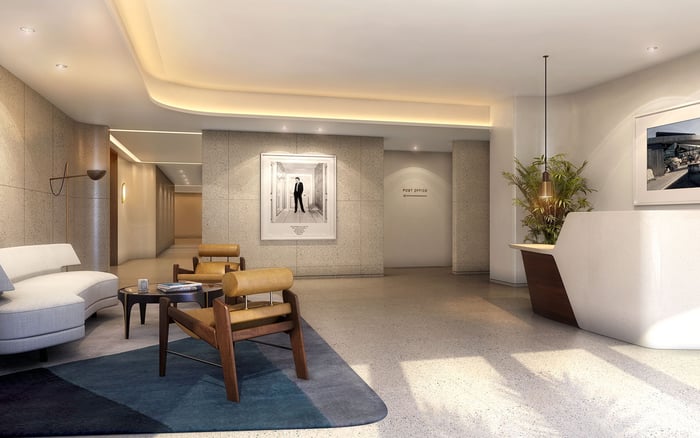
The appeal of Four Seasons Residences Coconut Grove is clear: a private residential setting with hospitality expertise close at hand. Planned as a standalone development with no attached hotel, the approximately 70-residence community is to be managed by Four Seasons. Its announced amenities include a restaurant, library, gym, yoga room, spa, children’s area and private event room.
For a buyer, an amenity’s presence answers only the first question. The more consequential questions concern access, operating responsibility and consumption. Who supports the facility? What does ownership include? Which services generate a separate bill?
This distinction is not a criticism of the offering. It is the foundation of an informed purchase. A beautifully managed dining room can be valuable without providing complimentary dinners. A spa can enrich daily life without including treatments. Service availability is a lifestyle advantage, not evidence of an all-inclusive ownership package.
A useful evaluation separates three categories: documented association obligations, separately charged access requirements, if any, and discretionary purchases. The exact allocation must come from the condominium budget, governing documents, management agreement and service schedules-not an amenity description.
Start with association charges and identify the shared operating costs they cover. Then establish whether any facility carries a separate access charge or minimum commitment. Finally, estimate the meals, treatments, training sessions and household services the owner expects to purchase.
Avoid double-counting. A service expressly included in dues should not also appear as an additional annual expense. Conversely, a service available on request should not be treated as included merely because the building offers it.
This framework distinguishes unavoidable ownership costs from spending that varies with occupancy and preference. It also makes clear that declining treatments or restaurant meals would not necessarily eliminate shared amenity costs allocated through association charges.
The signature restaurant is advertised with in-residence dining, which is expressly identified as an à-la-carte service. That supports a discretionary dining allowance, not an assumption of complimentary meals delivered upstairs.
Restaurant dining, in-residence dining and catered private events should occupy separate lines in a household budget. They serve different occasions and may carry different terms. Do not assume that restaurant pricing extends to delivery, or that an event-room reservation includes food, staffing or setup.
The announced private event room offers a setting for entertaining, but its place in the amenity collection does not establish unrestricted use or complimentary catering. Before valuing it as an extension of the residence, request reservation rules, guest limits, cancellation terms and any applicable room or service charges.
Apply the same discipline to the advertised residents-only bar and lounge and serviced pool deck. A serviced setting describes an amenity offering; it does not establish that food and beverages are included. Model ordinary meals and occasional entertaining separately so that one unusually active hosting month does not become the default annual assumption.
The planned spa includes a cold plunge and hammam. Additional advertised facilities include treatment rooms, a jacuzzi and Finnish saunas. A gym and yoga room are listed separately, giving buyers distinct components to evaluate rather than one undifferentiated wellness benefit.
In-residence spa services are explicitly advertised as à-la-carte. Wellness programs with personal trainers are also presented as optional purchases. Neither should be treated as equivalent to access to shared facilities.
The decisive questions are practical: Is spa access included? Do particular facilities require reservations? What do treatments cost? Can guests participate? Final spa-access charges and treatment prices are not established here. An unconfirmed charge should remain an unresolved budget item, not silently become zero.
For buyers also considering The Well Coconut Grove, apply the same questions independently. Compare documented access rights and the services you would use, without assuming that two wellness offerings share pricing or operating arrangements.
The most useful service budget begins with a calendar, not an amenity count. Estimate occupied months, likely dining occasions, treatment frequency, training sessions and private events. Once written rates are available, multiply expected use by the applicable charges and add any documented extras.
Create light-use, routine-use and frequent-hosting scenarios. These are planning choices, not predictions about project pricing. They show how the household’s annual outlay could change while the underlying residence remains the same.
Housekeeping, laundry, grocery provisioning and butler service are also advertised as à-la-carte offerings. Include them where they fit the intended routine. The ability to request assistance can be valuable even when used sparingly, but availability alone does not establish a financial saving.
If considering Park Grove Coconut Grove alongside this project, compare the same household routine under each property’s documented terms. A comparison based on actual use is more revealing than an amenity count and does not require assuming equivalent service offerings.
For a Second-home purchase, distinguish expenses that continue during absence from spending generated by a stay. Confirm which obligations remain payable regardless of occupancy. Optional dining and treatments should follow anticipated use unless a documented minimum or other obligation requires a different approach.
An Investment analysis requires a further distinction: personal consumption should not automatically become a property operating expense. Identify whether the owner or tenant bears each cost under the lease, and verify leasing rules before assigning any rental benefit to the service offering.
Do not assume that access to dining or wellness produces a measurable rental premium, or that the planned community’s boutique scale establishes premium per-use pricing. The amenity program alone supports neither conclusion. Keep lifestyle value explicit, but separate it from unsubstantiated income or return assumptions.
Before assigning dollar amounts, request the condominium budget, management agreement, amenity rules and current service fee schedules. Reconcile them: the budget should explain financial obligations, the rules should define access, and the schedules should clarify optional purchases. Seek written clarification wherever an inclusion or charge remains ambiguous.
The announced residential management and concierge support are meaningful elements of the proposed experience. They are not substitutes for contractual detail. Treat facilities as planned or advertised until delivery and operation are established, and distinguish marketing descriptions from enforceable commitments.
The strongest purchase decision is neither to dismiss these services nor to call them free. It is to understand what must be supported, what may be purchased and what the household genuinely values. That leaves room for the pleasure of private dining and wellness without allowing convenience to obscure ownership economics.
Explore South Florida residences with a more considered view of service and ownership at MILLION.
If branded residences are on your mind — as a home or as an allocation — we would be glad to share what we are seeing, privately.
Begin a quiet conversationIt is planned as a standalone residential development with no attached hotel, managed by Four Seasons.
The planned community comprises approximately 70 residences.
In-residence dining is advertised as an à-la-carte service. Buyers should budget for it separately rather than assume meals are included.
The announced event room does not establish complimentary catering or unrestricted use. Confirm reservation terms and any room, catering or staffing charges.
The planned spa includes a cold plunge and hammam. Additional advertised facilities include treatment rooms, a jacuzzi and Finnish saunas.
The precise access charges and allocation of spa operating costs to dues are not established. Verify those terms in the condominium documents and fee schedules.
In-residence spa services and wellness programs with personal trainers are advertised as à-la-carte offerings. Budget for them separately from any included facility access.
Housekeeping, laundry, grocery provisioning and butler service are advertised as à-la-carte offerings, rather than universally complimentary services.
Request the condominium budget, management agreement, amenity rules and service fee schedules. Reconcile included services with optional charges to avoid double-counting.
No quantified rental premium is established by the amenity program. Verify leasing rules and separate personal lifestyle spending from expenses borne by the owner or tenant.