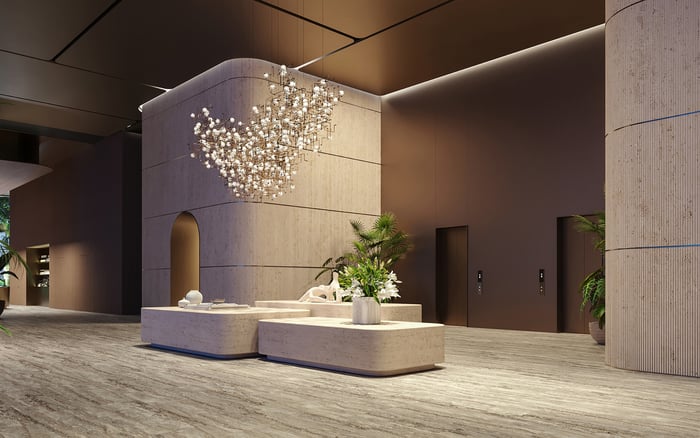
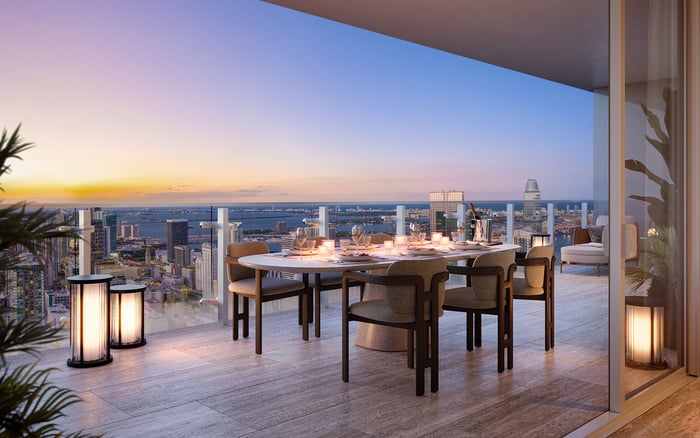
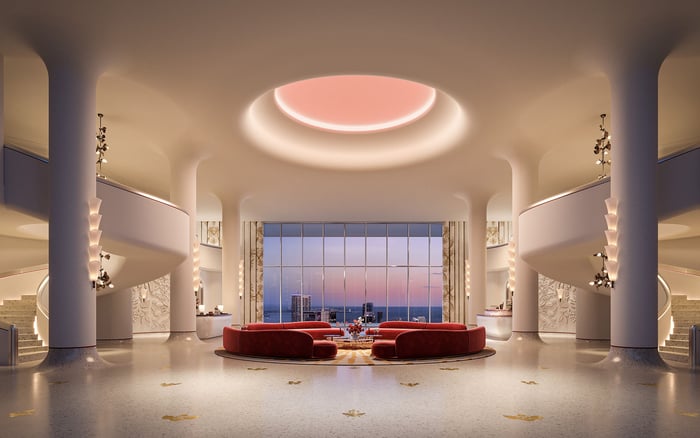
Faena Residences Miami pairs ambitious riverfront architecture with a substantial exterior envelope. Buyers should evaluate its balconies, glazing, sealants and exposed connections as recurring capital systems, while separating branded operations from reserve funding and verifying every project-specific assumption in the condominium documents.
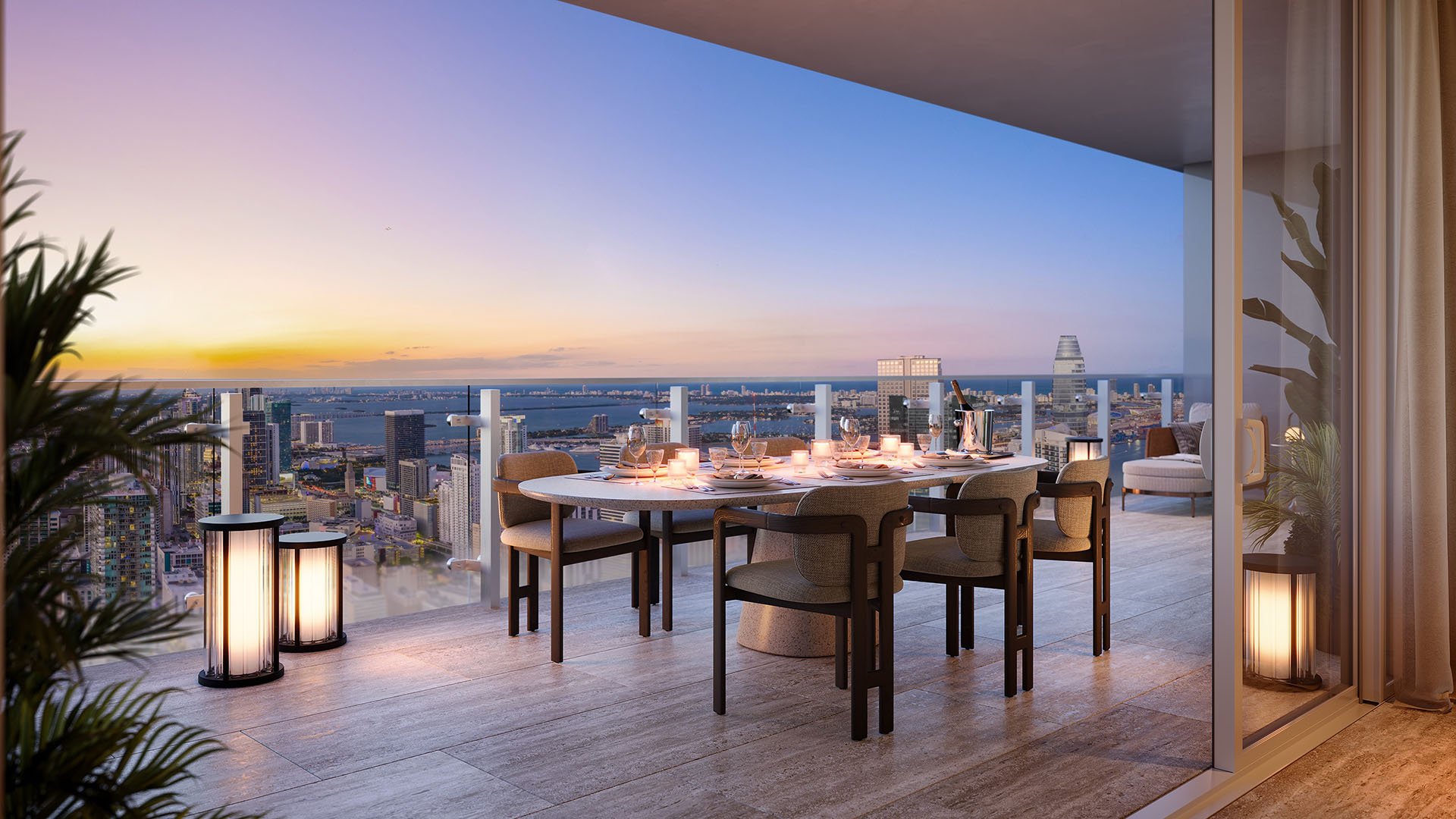
Set at 24 SW 4th Street on the Miami River, between Downtown Miami and Brickell, Faena Residences Miami Downtown Miami is conceived as a pair of glass towers. The project calls for 68 stories and approximately 434 residences, with plans encompassing one- to four-bedroom homes, river lofts, sky villas and penthouses.
A roughly 45,000-square-foot Sky Bridge is planned near the upper levels, bringing wellness, social and cultural amenities together between the towers. The development is a partnership between Fortune International Group and KAR Properties and is described as Alan Faena’s first standalone residential project. It is also among Rafael Viñoly’s final architectural works, with interiors involving Faena Design Studio and Bryan O’Sullivan.
Pricing has ranged from approximately $1.3 million to more than $6.8 million, subject to availability and change. Completion is generally projected for 2029, although some timelines extend to 2030. Where descriptions differ, executed purchase documents and the filed condominium declaration should control.
The view premium and the maintenance obligation originate in the same waterfront exposure.
Waterfront ownership in South Florida rewards buyers with light, outlook and immediacy to the landscape. It also places the exterior envelope in a demanding environment shaped by humidity, salt-laden air, ultraviolet exposure, wind-driven rain and storms. These are not arguments against the property. They are reasons to model ownership with greater precision.
Chloride exposure can contribute to corrosion of reinforcing steel and embedded metal. Over time, balconies, railings, façade anchors and exposed connections therefore become critical inspection targets. The useful question is not whether a new tower appears pristine at delivery, but whether its maintenance plan recognizes that coastal building systems require observation, testing and periodic renewal throughout a multidecade hold.
Buyers assembling a Downtown Miami comparison set may also examine Aston Martin Residences Downtown Miami. The comparison should be disciplined: understand how each condominium allocates operating expenses, reserve contributions and responsibility for exterior components rather than relying on price per square foot alone.
A balcony may read as private outdoor space, yet its performance depends on an interconnected assembly. Membranes, door thresholds, slab edges, drains and railing penetrations all influence how water is collected, redirected and kept outside the residence and structural components.
These elements should be treated as recurring waterproofing systems, not permanent finishes. Membranes can require renewal; sealants can age; drains can need attention; and penetrations can become pathways for intrusion. Water may also travel beyond the point where it first appears, making post-intrusion testing and building-wide diagnostic work important potential cost categories.
The underwriting model should therefore distinguish routine balcony care from periodic waterproofing campaigns, concrete restoration and railing work. It should also clarify whether balcony surfaces and membranes are common elements, limited common elements or owner responsibilities under the governing documents. That allocation can materially affect both personal expense and association exposure.
Faena’s extensive glazing makes curtain-wall joints, perimeter sealants, windows and balcony doors central to controlling wind-driven rain. A dramatic glass exterior can be a defining architectural asset while still requiring access, inspection, cleaning, testing and eventual sealant replacement.
Façade planning should not be compressed into a generic repairs allowance. Buyers can ask how the association expects to access the towers, what inspection intervals are assumed, which sealant and gasket cycles inform reserves, and how water intrusion will be investigated. Storm contingencies should account for post-event façade reviews, not only insurance deductibles.
In nearby Brickell, projects such as Baccarat Residences Brickell and Una Residences Brickell can serve as additional reference points within the broader luxury condominium market. Comparisons remain most useful when focused on project-specific documents, engineering assumptions and responsibility matrices.
A serious ownership model should extend well beyond the initial years. Begin with annual operations, then establish separate capital categories for façade maintenance, sealant replacement, balcony waterproofing, concrete restoration, railings, mechanical systems, pools, podium decks and the Sky Bridge.
Recurring engineering and inspection costs deserve their own line. A distinct contingency should address hurricanes, post-storm exterior reviews and broad water-intrusion remediation. This approach does not predict that every event will occur on a fixed schedule. It acknowledges that exposure, access and diagnostic work can produce uneven capital demands.
Avoid assigning generic coastal dollar figures to Faena. No reliable estimate for its future corrosion or balcony-restoration costs is available in the project information. Faena-specific budgets, reserve schedules, engineering assumptions and replacement cycles should be confirmed in the condominium documents. Older waterfront buildings can reveal categories of work, but cannot establish this development’s future expense.
For each category, buyers can model a base case, a more conservative case and a storm-affected case. The analysis should identify assumed timing, inflation treatment, funding source and owner allocation. It should also test whether reserves accumulate before major work becomes necessary-or whether a special assessment could be required if assumptions prove too light.
The planned Sky Bridge and hotel-style service model imply a substantial operating platform, potentially encompassing staffing, utilities, security, wellness facilities, dining and cultural programming. Those services may be central to the ownership proposition, but they are economically distinct from funding a future waterproofing or façade campaign.
Projected HOA dues should therefore be divided into two questions. First, what does the annual operating budget support? Second, how much is being contributed to long-term reserves for the physical property? A polished service program does not, by itself, demonstrate that exterior and structural capital needs are adequately funded.
Florida’s post-Surfside inspection and reserve environment further elevates the importance of structural reviews and credible capital planning for high-rise condominiums. Buyers should ask how statutory obligations are reflected in projected budgets without presuming that baseline dues cover every future requirement.
For a pre-construction purchase, request the proposed budget, reserve-study assumptions, declaration, maintenance matrix, warranties and available technical specifications. Focus questions on balcony membranes, curtain walls, perimeter sealants, railings, concrete edges, pools, podium decks and Sky Bridge waterproofing.
Ask who is responsible for windows, balcony doors, finish surfaces, drains and penetrations. Review how warranty claims must be made, whether access to private terraces can be required for common work, and how the association may fund unanticipated repairs. Confirm the current residence count, tower description and delivery provisions in executed documents rather than treating marketing summaries as definitive.
The strongest purchase decision integrates design, service and financial durability. At Faena Residences Miami, the river, glazing, terraces and elevated amenities create much of the appeal. They also define the systems that merit the closest long-term scrutiny.
For discreet guidance on evaluating South Florida’s most distinguished residences, connect with MILLION.
If branded residences are on your mind — as a home or as an allocation — we would be glad to share what we are seeing, privately.
Begin a quiet conversationIt is planned for 24 SW 4th Street on the Miami River, between Downtown Miami and Brickell.
Current project descriptions indicate two 68-story glass towers with approximately 434 residences.
The roughly 45,000-square-foot Sky Bridge is planned to contain wellness, social and cultural amenities near the towers’ upper levels.
Chloride exposure can contribute to corrosion of reinforcing steel and embedded metal, increasing the importance of inspections and maintenance.
Membranes, thresholds, slab edges, drains and railing penetrations should be treated as recurring waterproofing systems.
Key items include curtain-wall joints, perimeter sealants, windows, balcony doors, anchors and access assumptions for future work.
No. Buyers should distinguish annual operations and branded services from capital-reserve contributions and potential owner-funded work.
A 20- to 40-year model can capture recurring inspections, renewal cycles and separate storm-related contingencies.
No reliable public dollar estimate is available for future corrosion or balcony restoration, so project documents should guide underwriting.
Request the proposed budget, reserve assumptions, declaration, responsibility matrix, warranties and available technical specifications.