A family office evaluating Edgeworth West Palm Beach should frame the decision around total capital exposure rather than headline purchase price. A disciplined annual carry model separates acquisition basis, recurring ownership costs, document-dependent assumptions, timing sensitivities and exit scenarios before approval.
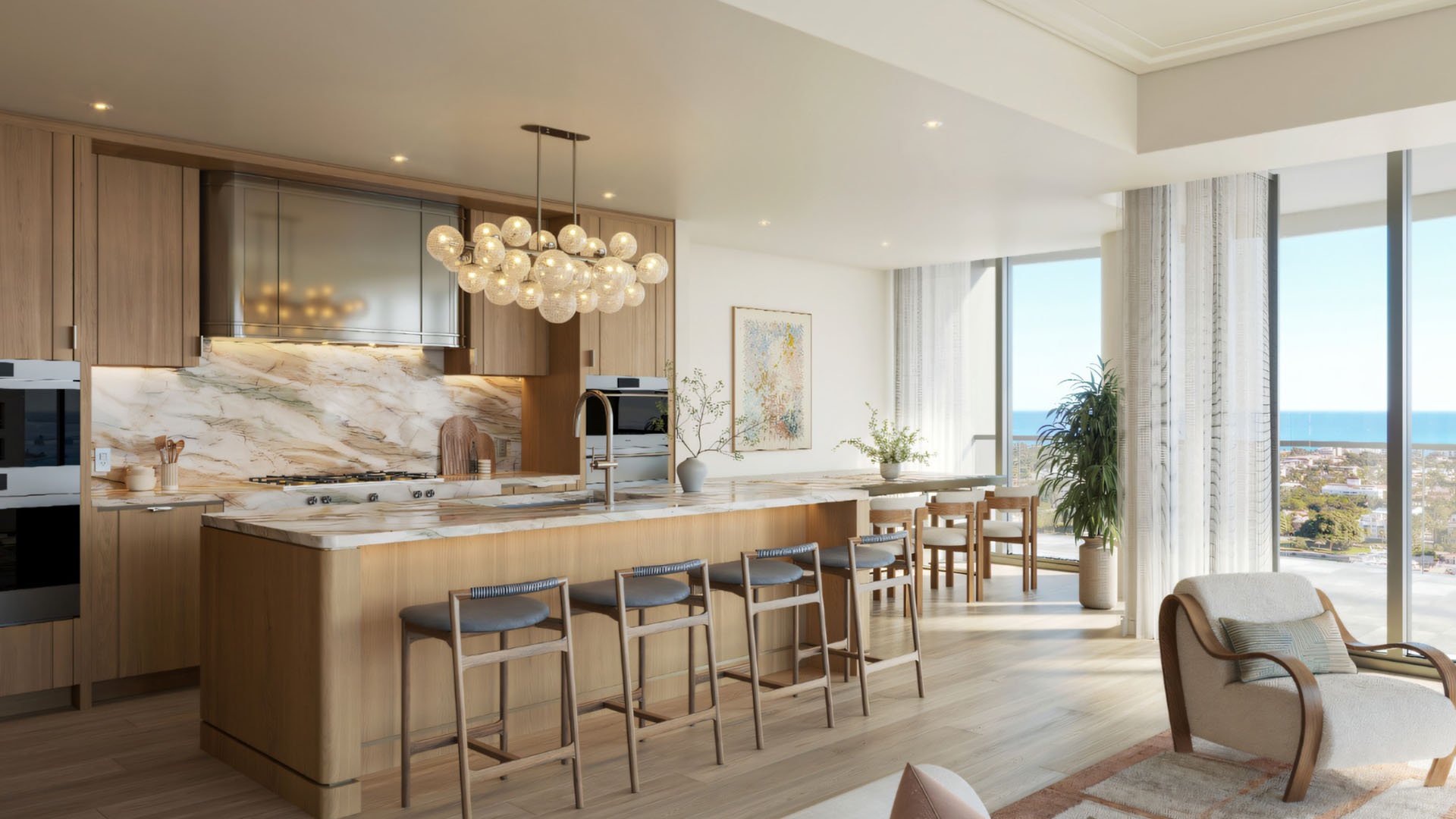
A family office evaluating Edgeworth West Palm Beach should focus on the complete cost of securing, closing, holding and eventually selling the selected residence. The investment memorandum should distinguish confirmed contract terms from assumptions that remain subject to governing documents, budgets, insurance information and legal review.
That distinction matters because headline purchase price alone does not reveal the effect of deposit timing, foregone liquidity, residence selections, closing expenses, ongoing ownership costs or a slower-than-expected exit. The committee needs a model that shows when capital is committed, what could cause annual expenses to change and which conclusions depend on information not yet delivered.
The relevant basis is the full cost of control, not the headline price alone.
The underwriting process should produce a decision-ready range rather than a single optimistic result. A base case can show the expected capital path, while separate sensitivities test timing changes, higher recurring expenses and a conservative disposition. Each case should use the same clearly defined assumptions so that committee members can compare outcomes without hidden adjustments.
The acquisition schedule should begin with the negotiated contract price for the specific residence. It should then identify selections, upgrades, professional fees, closing expenses, furnishing, post-closing work and an appropriate contingency, but only when those items are applicable and supportable.
One-time costs should not be mixed with recurring expenses. Keeping separate schedules allows the family office to see initial basis, annual ownership burden and eventual disposition costs independently. It also prevents an attractive annual figure from masking substantial capital requirements before or at closing.
The model should be residence-specific. Floor plan, exposure, size, selections, parking or storage rights, and any other contracted components can affect total basis. Assumptions should be traceable to a contract, written estimate or committee-approved placeholder, with the source and review date recorded in the working papers.
Every required payment should appear by date in the liquidity forecast. The family office can then apply its approved treatment for restricted or unavailable capital instead of waiting until closing to recognize the economic effect of deposits.
Opportunity cost should remain distinct from the residence’s contractual basis unless the office’s accounting policy directs otherwise. This separation helps the committee compare the purchase with other uses of capital and avoids presenting an internal liquidity charge as a developer-imposed expense.
Timing sensitivities are equally important. The model should show how a change in delivery or closing timing could affect liquidity, financing arrangements, interim occupancy plans and the period over which capital remains committed. These cases should be based on the contract’s terms and counsel’s interpretation rather than an assumed remedy.
If financing may be used, pre-closing liquidity costs and post-closing debt service should appear on separate lines. Their triggers, rates, fees and availability can differ, and the committee should be able to see whether the acquisition remains acceptable if financing terms change.
When final association expenses or governing terms are unavailable, the model should use labeled placeholders rather than zeroes. Each placeholder should include a rationale, an owner, a review date and a clear replacement condition. Once authoritative documents arrive, the provisional entry should be reconciled promptly.
Potential recurring categories can include association assessments, property taxes, unit-level insurance, utilities, maintenance, management, staffing and debt service where applicable. The model should not assume that every category will apply, but it should document why any potentially relevant expense has been excluded.
Association costs deserve a dedicated schedule. The committee should review the proposed budget, allocation method, reserve approach, service responsibilities and provisions governing changes. Any scenario for future increases should be identified as an underwriting sensitivity rather than a statement about actual fees.
Insurance should receive similar treatment. Counsel and insurance advisers can clarify the respective responsibilities of the association and unit owner, applicable deductibles, required coverage and potential gaps. Until those details are documented, the model should avoid false precision.
For local context, the committee may compare how it structures diligence across South Flagler House West Palm Beach and Forté on Flagler West Palm Beach. These references can help organize questions, but they should not be treated as substitutes for Edgeworth’s own contract, budget or governing documents.
The base case should exclude rental revenue unless the governing documents and applicable requirements support the family office’s intended use. If leasing is permitted, income should appear in a separate scenario that includes vacancy, management, furnishing, maintenance, turnover and compliance assumptions.
This treatment prevents a lifestyle-oriented purchase from appearing yield-producing before the legal and operating conditions are known. It also preserves a clean view of gross annual carry, which is useful even when the office expects occasional rental income.
Any income scenario should identify the permitted lease structure and operational responsibilities. The model should not infer flexibility from another South Florida condominium because rules and enforcement mechanisms can vary by property.
A future sale should be modeled through multiple cases rather than one appreciation assumption. The committee can evaluate a favorable case, a central case and a downside case, provided each uses transparent assumptions for value, marketing time, carrying costs during the sale period and transaction expenses.
Comparable residences should be adjusted for material differences instead of treated as interchangeable. The Ritz-Carlton Residences® West Palm Beach may be included in a broader local review, but any comparison should preserve distinctions in residence attributes, services, contract terms and timing.
The liquidity case should extend the assumed marketing period and continue all applicable ownership costs until closing. For a multi-residence purchase, the model should also show aggregate deposits, shared timing exposure and the possibility that dispositions may not occur simultaneously.
Before signing, counsel should review the purchase agreement, disclosure materials, title information, site and access rights, deposit protections, delivery provisions, default terms, remedies and cancellation rights. The family office should separately examine the association framework, proposed budget, reserve provisions, insurance responsibilities, use restrictions and developer-control terms when those materials are available.
The investment memorandum should include a diligence tracker that identifies each required document, the responsible reviewer and the issue’s status. Open items should be classified by whether they affect economics, legal control, intended use, timing or exit. Material unresolved questions should remain explicit conditions to approval rather than being absorbed into a general contingency.
The finished model should present acquisition basis, recurring carry, one-time contingencies, liquidity use and exit outcomes in separate but connected schedules. That structure gives the investment committee a defensible way to decide whether the selected residence fits its capital, concentration and risk parameters.
For discreet guidance on evaluating Edgeworth and other South Florida residences, connect with MILLION.
If branded residences are on your mind — as a home or as an allocation — we would be glad to share what we are seeing, privately.
Begin a quiet conversationUse the negotiated contract price and add only applicable, supportable costs such as selections, professional fees, closing expenses, furnishing and post-closing work.
List each required payment by date and apply the office’s approved liquidity or opportunity-cost methodology separately from contractual basis.
Separate schedules make initial capital requirements and the ongoing ownership burden visible without blending economically different expenses.
Use clearly labeled placeholders with a rationale and replacement condition until authoritative budgets and governing documents are available.
No rental income should be credited unless the governing documents and applicable requirements support the intended leasing strategy.
Review association and owner responsibilities, required coverage, deductibles and potential gaps with counsel and insurance advisers.
Model alternative delivery or closing timelines and show their effects on liquidity, financing, interim plans and the duration of committed capital.
Use favorable, central and downside cases with transparent assumptions for value, marketing time, ongoing carry and transaction expenses.
Review the purchase agreement, disclosure materials, title information, deposit protections, delivery terms, remedies and available association documents.
Material unresolved issues affecting economics, legal control, intended use, timing or exit should remain explicit conditions to approval.