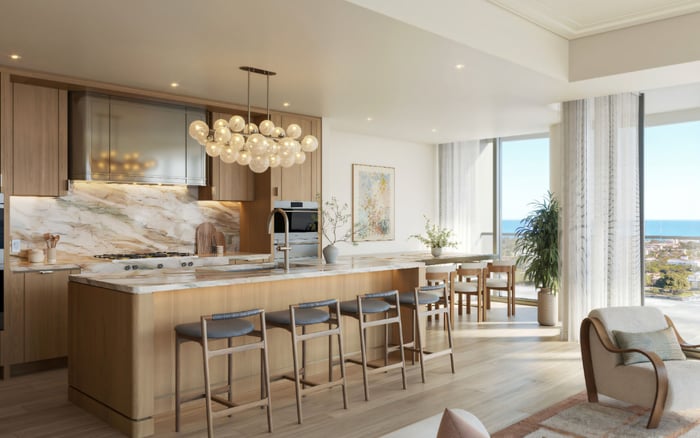
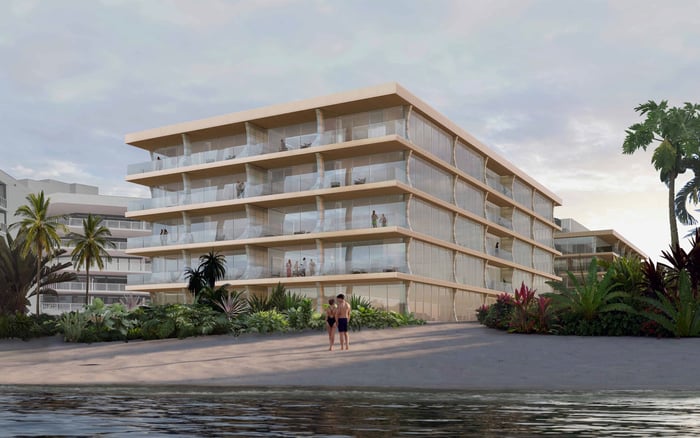
A buyer-focused framework for comparing new-construction residences in West Palm Beach for multi-generational ownership, emphasizing privacy, adaptable layouts, shared spaces, services, and long-term planning.

Multi-generational ownership requires a broader evaluation than bedroom count alone. Buyers should consider how a residence may support shared time, personal privacy, changing mobility needs, remote work, caregiving, guests, and long-term stewardship.
The first decision is whether the family prefers one larger residence or separate homes within the same development. A shared home can centralize daily life, while separate residences can give each household greater independence. Availability, floor-plan relationships, building rules, and ownership objectives will shape which model is more appropriate.
Layouts should be reviewed for separation between bedrooms, flexibility of secondary rooms, accessible circulation, storage, service areas, and the relationship between indoor and outdoor spaces. Buyers considering multiple residences should also ask about proximity, elevator access, parking arrangements, and whether suitable homes can be acquired together.
Amenities are most valuable when they support regular family routines. Pools, wellness areas, children’s spaces, private dining rooms, work areas, and guest-oriented services may extend the practical use of a residence, but their availability and terms should be confirmed in current project materials.
Service levels also deserve close analysis. Buyers should distinguish between included services and separately charged offerings, then review association costs, staffing, reservation procedures, guest policies, rental restrictions, and residence-use rules.
Families beginning a West Palm Beach search can compare South Flagler House, Alba West Palm Beach, The Ritz-Carlton Residences® West Palm Beach, Mandarin Oriental Residences, West Palm Beach, and Mr. C Residences West Palm Beach.
These developments should be assessed using the same family-specific criteria rather than branding or presentation alone. Current floor plans, availability, offering documents, budgets, fees, amenity terms, and construction schedules should guide any comparison.
Before selecting a residence, families should define who expects to live there, how often each household will visit, whether independent accommodations are necessary, and which spaces will be shared. The plan should account for both present routines and possible changes over time.
Legal, tax, estate-planning, insurance, and financing questions should be addressed with qualified professionals. Buyers should also determine how ongoing expenses, decision-making responsibilities, and future transfers may be handled among family members.
Pre-construction details can change. Buyers should rely on current official documents and professional advice when confirming layouts, specifications, amenities, fees, policies, availability, and timing. Marketing materials should not replace a complete review of the governing purchase and association documents.
A disciplined comparison can help families identify a West Palm Beach residence that balances togetherness with independence while remaining adaptable to future needs.
What makes a residence suitable for multi-generational ownership? The best fit depends on privacy, adaptable rooms, accessibility, storage, shared spaces, and how well the home supports each household’s routine.
Is one large residence better than several separate homes? Neither model is universally better. A shared residence may suit close daily living, while separate homes may provide greater independence.
Why does floor-plan separation matter? Separation can reduce noise and give family members more privacy. Buyers should study bedroom placement, circulation, gathering areas, and service spaces.
Which accessibility features should buyers review? Buyers should examine entrances, elevators, corridors, bathrooms, thresholds, and routes between parking, amenities, and the residence.
How should families evaluate amenities? Focus on amenities that support actual routines, then confirm access rules, reservation requirements, operating terms, and associated costs.
What service questions should branded-residence buyers ask? Ask which services are included, which carry separate charges, how guests are handled, and whether any residence-use restrictions apply.
Can relatives pursue separate residences in one development? They can explore that approach, but suitable inventory and proximity must be confirmed directly through current availability.
What documents deserve careful review? Review the purchase agreement, offering documents, association materials, budgets, rules, specifications, and the latest construction information with qualified advisers.
Should ownership planning happen before a reservation? Yes. Early legal, tax, estate-planning, insurance, and financing guidance can help align the purchase with the family’s long-term objectives.
Can pre-construction details change? Yes. Buyers should reconfirm availability, layouts, specifications, amenities, fees, policies, and timing before making a decision.
For a discreet conversation and a curated building-by-building shortlist, connect with MILLION.
If branded residences are on your mind — as a home or as an allocation — we would be glad to share what we are seeing, privately.
Begin a quiet conversation