Cora Merrick Park documents website data collection, but its public privacy materials do not establish resident-app, visitor-registration, or biometric-access practices. For buyers, the distinction calls for precise questions about consent, access, vendors, and deletion.
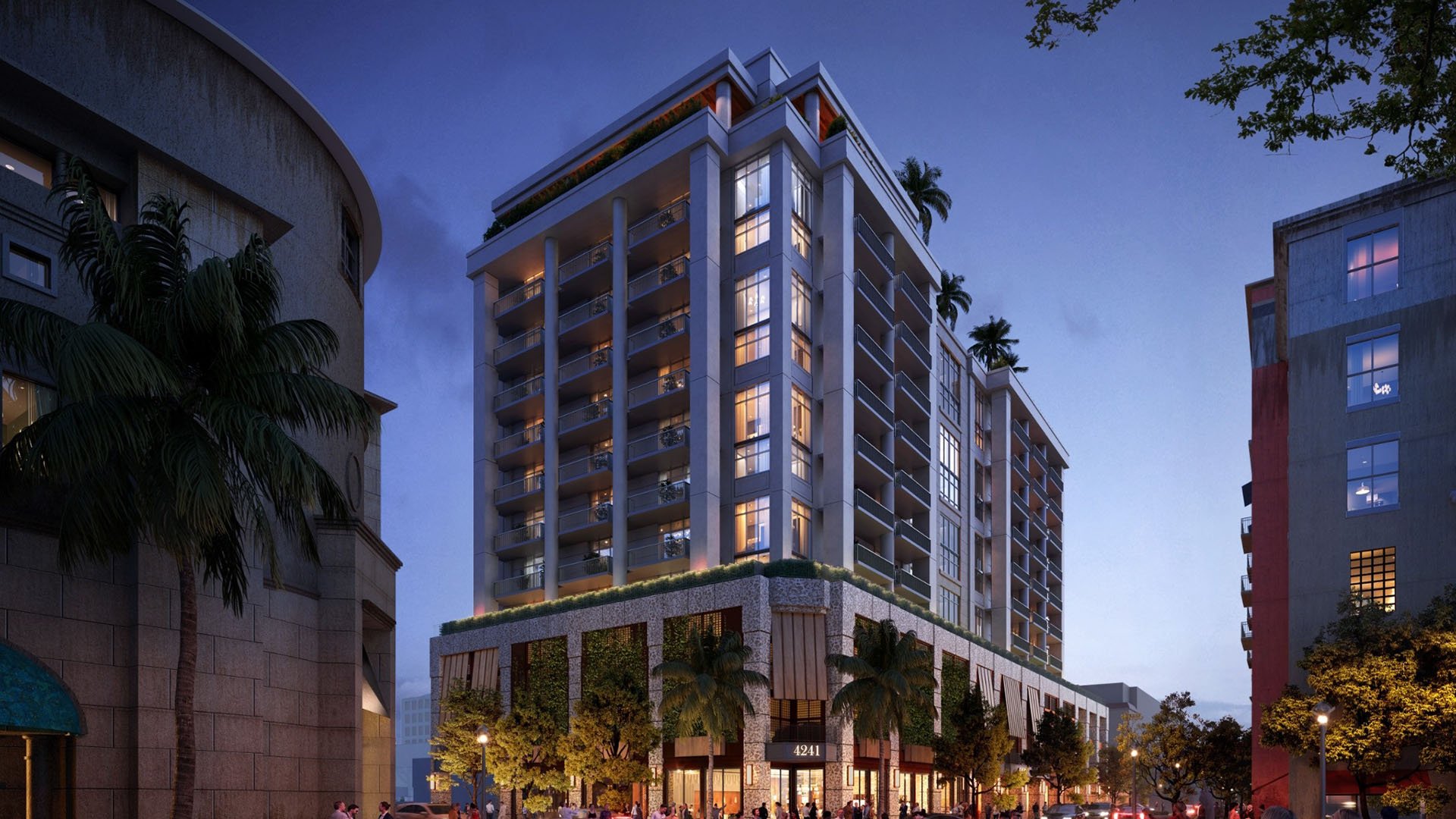
Privacy belongs beside architecture, service, and wellness when evaluating a luxury residence. At Cora Merrick Park, marketed as a luxury wellness residential destination in Coral Gables, the useful question is not whether technology compromises discretion. It is what information each service requires, who can access it, and how long it remains available.
The essential distinction is between documented website data collection and unverified building practices. The public privacy materials do not establish whether Cora operates a resident app, how visitor registration works, or whether facial-recognition or fingerprint access is deployed. They do not confirm biometric enrollment or storage of biometric templates by Cora or a vendor.
These unanswered questions warrant a request for operational detail, not an inference of surveillance or mishandling. The absence of a public disclosure does not prove that a system, safeguard, or separate policy does not exist.
Documented collection from website users and applicants includes personal information such as contact details and other submitted information. Website-collected “Other Information” includes IP addresses, pages visited, time spent, visit dates and times, browser and device characteristics, operating-system details, and referring pages.
The stated purposes include understanding website use, improving the website, and customizing how information is presented. These disclosures concern the digital inquiry experience. They are not a complete account of the information generated by living in a building.
For a buyer also considering Ponce Park Coral Gables, the same distinction supports a more useful comparison: evaluate marketing-site terms separately from resident-service terms. That is a diligence standard, not a claim about either property's operating technology.
Ask which policy governs each stage of the relationship: initial inquiry, application, occupancy, amenity use, and departure. Do not assume that a website notice governs every subsequent interaction.
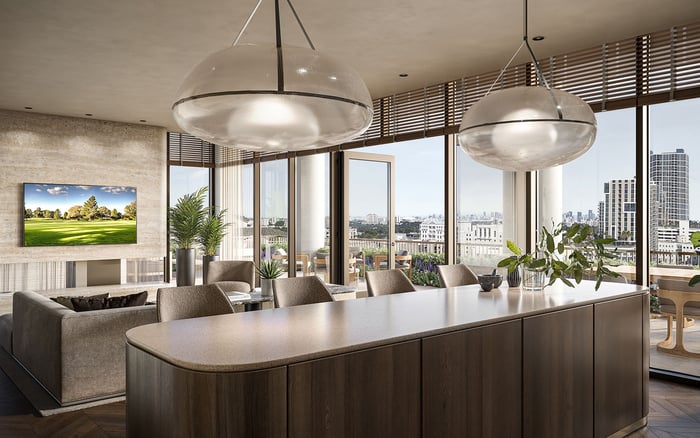
Cora's marketed wellness amenities include a spa, sauna, steam room, hot and cold plunge, gym, and yoga terrace. Other advertised features include an outdoor pool, private cabanas, an outdoor kitchen, coworking lounges, a conference room, a tea room, and bike storage. These are marketed features, not confirmation of completion or current operation.
For privacy-minded buyers, the next question is whether any service requires a reservation, profile, waiver, or recorded check-in. If so, ask what is recorded and whether that information stays within the service team or passes to another operator. An amenity offering alone does not establish that such records exist.
Apply the same inquiry when evaluating The Well Coconut Grove, without assuming it shares Cora's systems or policies. The goal is to understand the information required for the lifestyle a buyer intends to enjoy-not to infer data practices from an amenity description.
Visitor privacy starts with a practical scenario: a friend arrives for dinner, a household employee begins work, or a professional visits by appointment. Ask management to explain each step, including whether identification is checked, copied, entered into a system, or merely viewed.
Cora's visitor-registration procedures, guest-log access permissions, retention periods, and vendor sharing are not established in the public privacy materials. A useful response would distinguish what staff need to admit a visitor from what the building retains afterward.
Ask whether staff permissions differ by role, whether access to guest records is itself logged, and whether visitors receive a privacy notice. These are diligence questions, not descriptions of Cora's practices.
For households comparing The Village at Coral Gables, the same guest-arrival scenario can keep the evaluation consistent. The objective is a clear understanding of the service experience, without assuming that the properties use comparable registration arrangements.
Whether Cora operates a resident or building app is not established in the public privacy materials, which also lack a separate, detailed notice for one. The first question is therefore simple: is an app planned, required, optional, or not offered?
If an app is part of the proposed experience, request its applicable terms and privacy notice before enrollment. Ask which functions require it, what information each function collects, and whether essential services remain available through another channel.
Responsibility matters as much as interface design. Request a clear explanation of the roles of management, the app provider, and any connected service vendors. Ask who handles corrections, account closure, and deletion requests, and what happens to records when a resident leaves or a vendor changes. A demonstration may show convenience; written terms should explain accountability.
Facial-recognition access, fingerprint access, biometric enrollment, and biometric-template storage remain unconfirmed in Cora's public privacy materials. Buyers should not mistake the possibility of those systems for evidence that they are present.
If biometric access is proposed, request the enrollment policy before consenting. Ask what is captured, whether a template is created, where information is stored, who controls it, and whether any vendor may use it beyond the stated access purpose.
Also request an explanation of any non-biometric alternative, withdrawal procedure, and deletion process. The decision should concern a defined service with defined terms, not a general assurance that access is secure. Convenience is easier to evaluate when the buyer understands both the enrollment choice and the way out.
Documented access and deletion procedures require identity verification before requests are processed. The listed privacy-request contacts are 305-320-4241 and [email protected]. Buyers can ask whether these channels also handle any separate resident-service records or whether another responsible party must be contacted.
A retention schedule for website information is not supplied in the public privacy-policy excerpt, nor are retention periods established for resident-app data, visitor records, or access logs. Request category-specific periods rather than a single broad answer, including any exceptions and the treatment of vendor-held copies.
A useful diligence package would include applicable app terms, visitor-registration procedures, vendor responsibilities, staff-access permissions, retention and deletion schedules, and any biometric enrollment policy. Ask management to distinguish current arrangements from planned features and identify which documents will govern occupancy.
The conclusion is straightforward: documented website collection warrants informed attention; unverified building systems warrant questions, not accusations. For a discerning buyer, privacy is best evaluated through written responsibilities and meaningful choices alongside the residence's physical appeal.
For a considered approach to South Florida residential decisions, explore MILLION.
If branded residences are on your mind — as a home or as an allocation — we would be glad to share what we are seeing, privately.
Begin a quiet conversationIts privacy policy describes personal information from website users and applicants, plus website activity and technical information such as IP addresses, visit times, and device details.
The public privacy materials do not confirm either system, biometric enrollment, or biometric-template storage. That does not establish that such systems are absent.
The public privacy materials do not establish whether a resident or building app operates. Buyers should ask whether one is planned or offered and request its applicable terms.
The public privacy materials do not establish guest-registration procedures, access permissions, retention, or vendor sharing. Request a written explanation of the visitor-arrival process.
The stated purposes include understanding website use, improving the website, and customizing how information is presented.
The privacy policy describes access and deletion requests, with identity verification required before processing. Buyers should clarify which records those procedures cover.
The policy lists 305-320-4241 and [email protected] as privacy-request contacts.
The public privacy-policy excerpt does not provide a retention schedule for website information or establish periods for resident-app data, visitor records, or access logs.
No; marketed amenities such as the spa, gym, and yoga terrace do not establish reservation tracking or recorded check-ins, nor do the listings confirm current operation.
Request applicable app terms, visitor-registration procedures, vendor responsibilities, access permissions, and retention and deletion schedules. If biometric access is proposed, request its enrollment policy and details of any alternative.