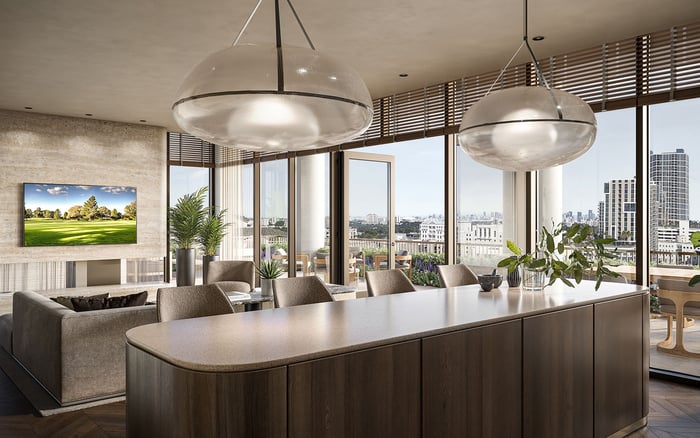
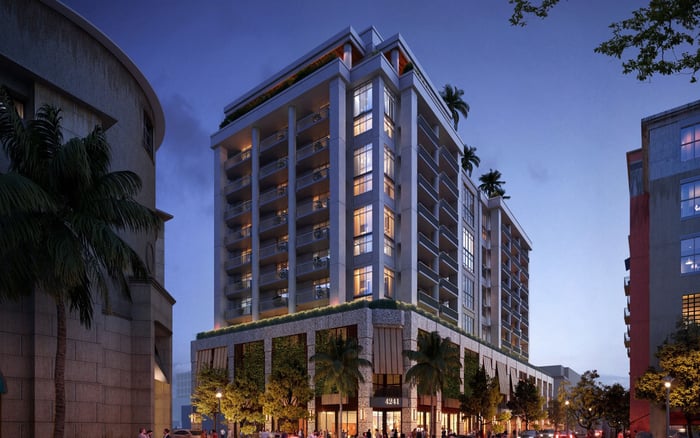
A refined seasonal arrival depends on one coordinated sequence, from flight monitoring and curbside handoff to residence preparation, guest authorization, and privacy-conscious service.

For a part-time owner, returning to Coral Gables is not simply a matter of landing, collecting luggage, and reaching the front door. A polished arrival is a chain of coordinated handoffs: flight awareness, chauffeur or rideshare timing, valet recognition, concierge reception, residence access, and quiet confirmation that the home is ready.
At Ponce Park Coral Gables, that sequence is especially relevant for owners whose residences may remain unoccupied for extended periods. The objective is not theatrical service, but consistency, discretion, and the removal of small uncertainties before they become visible.
A strong seasonal-arrival plan should therefore operate as a hospitality workflow rather than a collection of separate requests. One responsible point of contact, a current arrival brief, and clearly assigned handoffs give every participant the same operating picture.
Before travel, the owner or household office should share the flight, passenger names, luggage expectations, transportation provider, vehicle description, and preferred communication method. For international arrivals, the plan should remain flexible enough to accommodate customs delays, changing flight schedules, and late-night timing.
The critical moment is the transfer at the residence. The driver needs an unambiguous approach and drop-off instruction; valet needs to know whether the vehicle will depart, wait, or be parked; concierge needs the owner’s updated arrival status; and residence access should be ready without avoidable verification at the curb.
Multilingual coordination can be valuable when owners, chauffeurs, guests, and household staff communicate in different languages. The practical standard is straightforward: essential names, instructions, and changes should reach every relevant party accurately, without exposing unnecessary personal information.
A seasonal return differs from routine daily occupancy. Before the owner arrives, management protocols should be reviewed to determine which residence-readiness checks and permitted services can be arranged. Any request involving access, vendors, deliveries, or household staff should follow the building’s documented procedures.
The arrival brief can identify who is authorized to enter, what should be completed before the owner reaches the property, and who will confirm readiness. It should also distinguish building responsibilities from privately retained household services. This is the operational core of a thoughtful second-home strategy: expectations are established before travel rather than negotiated at the lobby desk.
Buyers comparing service-oriented living in the area may also consider Cora Merrick Park. The useful comparison rests not on assumptions of identical policies, but on how clearly each property documents its access, staffing, vendor, and arrival procedures.
Curbside calm depends on separating arrival types that might otherwise converge. Resident vehicles, guest drop-offs, deliveries, and service vehicles should be identified before reaching the entrance whenever protocols allow. That distinction helps reduce conflicts and supports an orderly approach.
During peak winter periods, advance notice becomes more important as owner returns, social visits, and household activity may rise together. Valet staging should remain discreet, signage controlled, and circulation orderly-considerations particularly relevant within the design-sensitive character of Coral Gables.
Owners should confirm the property’s current valet rules rather than assume capacity, waiting privileges, parking availability, or overnight guest arrangements. Those details are not established here and may be governed by management documents. An effective arrival message states the vehicle type, driver, passenger, expected time, parking need, and any luggage or mobility consideration.
Uniform staffing assumptions do not reflect the rhythm of part-time ownership. A more responsive service model anticipates seasonal occupancy patterns and uses advance arrival information to prepare the appropriate response. That may involve concierge awareness, valet coordination, guest processing, and approved access for household personnel.
The owner’s side of the equation matters just as much. A family office or designated assistant should consolidate changes rather than issue competing instructions through multiple channels. The building should know who may amend an arrival, who may authorize a guest, and who should be contacted if plans shift.
For purchasers evaluating the broader Coral Gables market, The Village at Coral Gables offers another residential reference point. Each property should be assessed on its own operating documents, particularly where a boutique environment or complex household schedule makes individualized coordination important.
Guest hospitality begins before the visitor reaches the entrance. Complete preauthorization should address the guest’s name, expected arrival window, identity-verification process, parking or drop-off instructions, residence-access limits, and the method by which the host will be notified.
Privacy is strengthened, not weakened, by clarity. Staff should receive only the information necessary to manage the arrival, while visitors should know where to go and what will be requested. Last-minute changes should be routed through an authorized contact, especially when the owner is in transit or unavailable.
The same discipline applies when comparing nearby luxury markets such as Coconut Grove. Four Seasons Residences Coconut Grove may be part of a buyer’s consideration set, but service expectations should always be tested against the specific residence’s current protocols rather than inferred from positioning alone.
Part-time owners should request the latest management guidance on owner arrivals, late access, valet procedures, guest parking, deliveries, service providers, identity checks, and emergency contacts. They should also confirm how schedule changes are communicated and whether a designated representative may act on their behalf.
For new-construction residences, these questions are best addressed before the first seasonal return, while household systems and service relationships are still being organized. The desired lifestyle is effortless, but the structure behind it should be exact: a single arrival brief, controlled permissions, clear escalation, and a final confirmation that the owner is safely inside and the vehicle’s disposition is understood.
How early should a seasonal owner provide arrival details? Advance notice is advisable, particularly during peak winter demand, but owners should confirm the building’s required notice period.
What information belongs in an airport arrival brief? Include flight status, passenger names, transportation provider, vehicle details, luggage considerations, estimated arrival, and a preferred contact method.
How should customs or flight delays be handled? One authorized contact should update the driver, valet, concierge, and household team so every handoff reflects the same schedule.
Should valet know whether the car is staying? Yes. The arrival instruction should clarify whether the vehicle will depart, wait, require parking, or return later.
Can a guest simply give the owner’s name at arrival? Preauthorization is preferable and should follow management rules for identity verification, parking, access, and host notification.
What changes when a residence has been vacant for months? The owner should arrange permitted readiness checks and authorized access in accordance with current building and resident-service protocols.
Why separate guests, deliveries, and service vehicles? Distinct instructions reduce curbside conflicts and help staff preserve an orderly, privacy-conscious entrance.
Is multilingual support useful for seasonal households? It can improve coordination among owners, chauffeurs, guests, household staff, and building teams when language preferences differ.
Are valet capacity and staffing levels confirmed? No specific capacities or staffing ratios are established here; owners should obtain current details from management documents.
What defines a luxury-standard seasonal arrival? A consistent sequence, discreet communication, controlled access, and smooth handoffs from transportation through residence entry define the standard.
For a discreet conversation and a curated building-by-building shortlist, connect with MILLION.
If branded residences are on your mind — as a home or as an allocation — we would be glad to share what we are seeing, privately.
Begin a quiet conversation