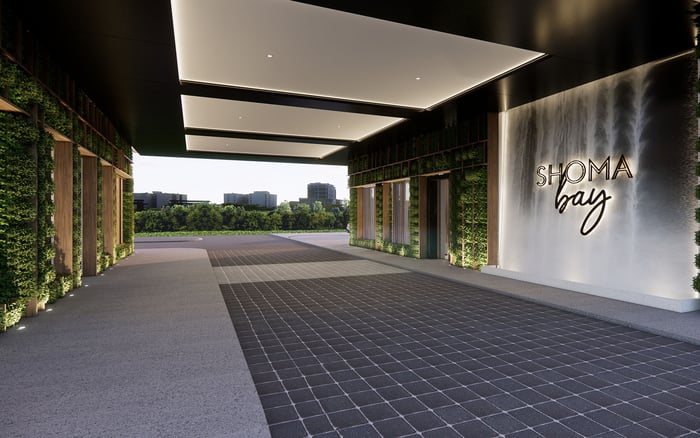
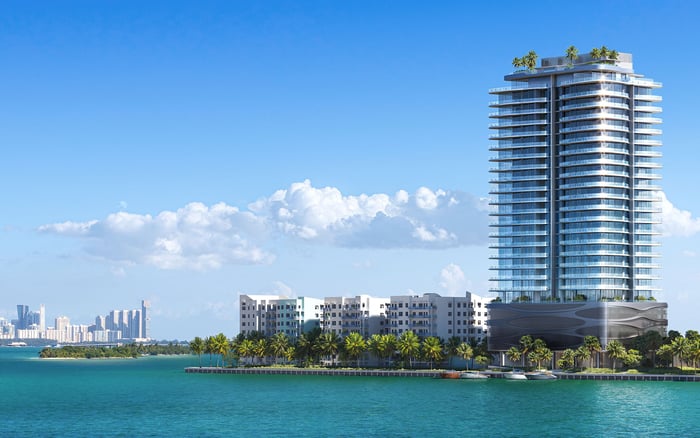
Continuum’s waterfront setting and extensive planned amenities invite a primary-residence comparison. The ownership decision, however, should separate everyday livability from buyer-specific homestead eligibility, preconstruction timing and the full annual carrying budget.
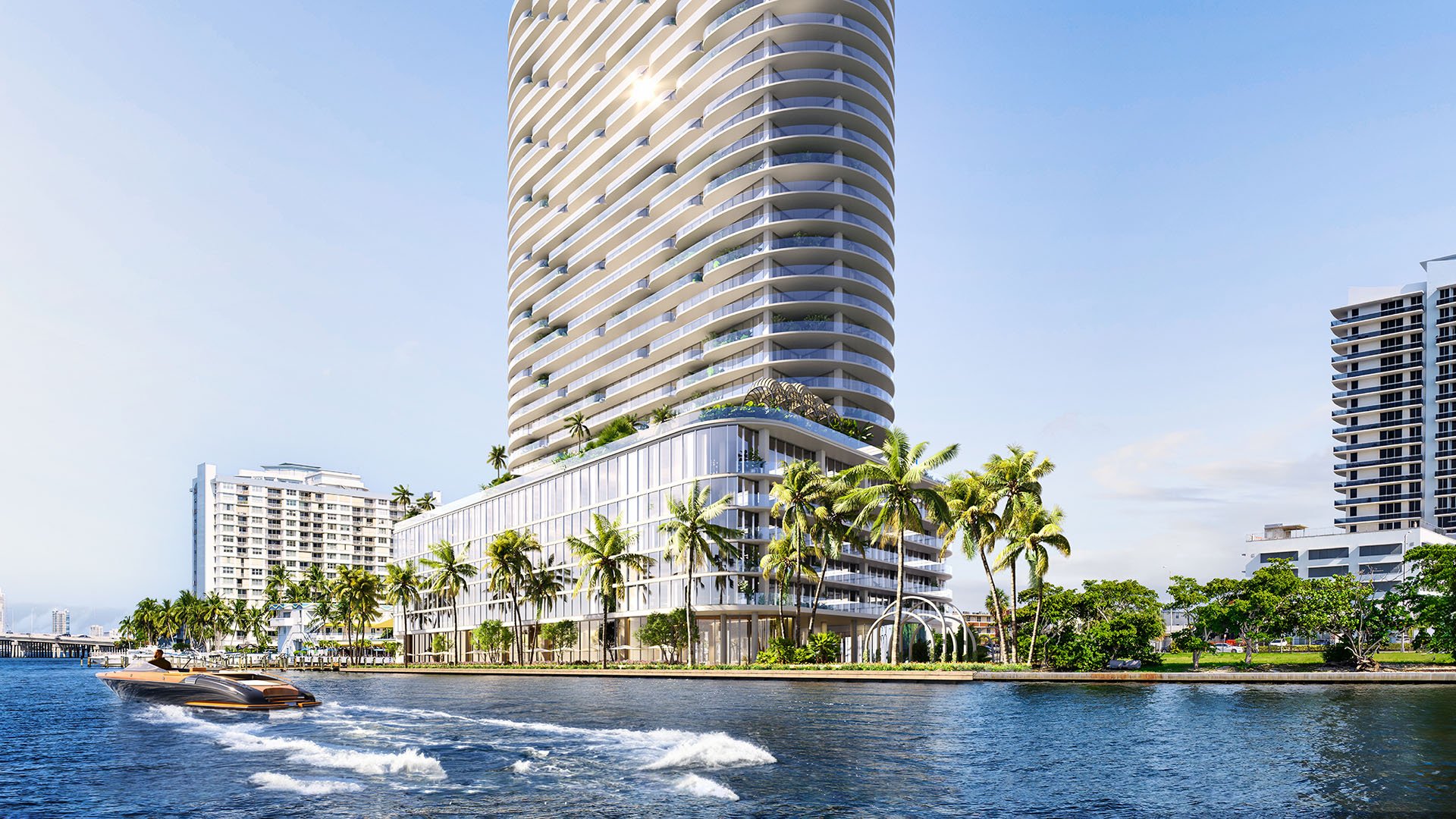
For a buyer considering Continuum Club & Residences North Bay Village as a primary home, the central question goes beyond the appeal of waterfront living. It is whether the residence, ownership structure and annual budget remain compelling before any anticipated homestead benefit enters the calculation.
At 1755 79th Street Causeway in Miami-Dade County, the development was introduced as a 32-story tower with 198 residences. Its planned amenities suggest a home organized around convenience, recreation and time on the water. Those qualities merit consideration independently of the purchaser’s tax position.
Homestead eligibility is a buyer-specific diligence question, not a project amenity. A residential condominium’s marketing does not establish whether a particular purchaser, ownership arrangement or intended occupancy qualifies. For a primary-residence buyer, that distinction should guide the decision from the outset.
Build two ownership scenarios. The first assumes no homestead-related reduction in the property-tax estimate. The second includes only the treatment and financial effect confirmed for the buyer’s circumstances by the appropriate tax authority and professional advisers.
The comparison reveals whether the purchase rests on the residence’s suitability or depends on an unconfirmed tax assumption. If the home works comfortably under the first scenario, any subsequently confirmed benefit can be incorporated into a sound budget. If the numbers work only under the second, eligibility must be resolved before that budget can be relied upon.
Do not treat property-tax treatment and creditor protection as a single automatic package. They are separate questions for qualified advisers, and neither should be inferred from the Continuum name. Ask counsel to evaluate the proposed ownership structure and occupancy plan rather than assuming that an intention to make the apartment a primary residence settles the matter.
The decision is conditional, not categorical: confirmed eligibility may influence the financial comparison, but no specific exemption, savings figure or legal protection should be assigned to this purchase without individual review.
The project reached its groundbreaking milestone in April 2025, with residences described at the time as ranging from approximately 800 to 4,000 square feet. A construction milestone, however, is not a closing date, an occupancy commitment or confirmation of when a buyer could first obtain homestead treatment.
Keep three dates separate in the purchase analysis: the expected closing, the realistic move-in and the first period for which the buyer’s advisers confirm the intended tax treatment. Ask the sales and legal teams which dates are contractual, which remain estimates and what happens if the sequence changes.
For a household relocating its principal home, this is also a practical planning exercise. Consider the cost of maintaining an existing residence or arranging interim accommodation. Neither a reservation nor a planned move can substitute for confirmed eligibility and timing in the financial model.
Historical pricing requires care. At the April 2025 groundbreaking, quoted starting prices were just under $1 million. A separate advertised range was $1.7 million to $4 million. These figures are not interchangeable, and neither should be treated as a current offer for a particular residence.
Request a dated quotation for the apartment under consideration, then separate acquisition cost from annual ownership cost. The quoted preconstruction maintenance rate is approximately $0.85 per square foot monthly, subject to confirmation against the association’s actual budget.
At that rate, a 2,000-square-foot residence would carry approximately $1,700 in monthly association dues, or $20,400 annually. That is dues alone, not an all-in carrying figure. The buyer’s model should separately account for property taxes, insurance, financing where applicable, utilities and any charges excluded from the association budget.
Ask whether separate club or amenity charges apply and obtain written clarification of inclusions. A homestead scenario belongs in the model’s tax line, not as a general discount on the entire cost of ownership.
Continuum’s planned amenity program spans more than 60,000 square feet and includes two pools, a restaurant, a marina, a fitness center and a social lounge. Planned dining conveniences include a waterfront restaurant, residents’ market and outdoor dining pavilion.
For a full-time resident, the useful question is how often those spaces would become part of an ordinary week. A market may simplify daily errands; a restaurant may make entertaining more convenient. Neither should be translated into assumed household savings without considering access, operating arrangements and actual spending.
Planned wellness and recreation amenities also include a fitness and movement studio, spa treatment rooms, sports courts and a golf simulation lounge. A children’s playroom and a dog park with a wash station add everyday appeal for families and pet owners.
Ian Bruce Eichner’s Continuum Company previously developed the two-tower Continuum on South Beach in Miami Beach more than two decades earlier. That history provides brand context, but it does not establish this project’s eventual construction quality, service standards or resale liquidity. Evaluate the promised experience through the purchase documents, not the name alone.
The broader setting warrants a separate review. As of June 2025, an approved special area plan and custom Continuum Waterfront District zoning permitted heights up to approximately 600 feet. District-wide capacity includes up to 547 condominiums and 200 hotel rooms, together with retail, offices and a public waterfront promenade.
Those are district figures, not the residence count or uses of this tower alone. Distinguish the building’s commitments from the surrounding area’s approved possibilities, particularly when considering privacy, views and the experience of coming home.
A buyer also considering Shoma Bay North Bay Village can apply the same framework: request project-specific documents, clarify delivery assumptions and assess the intended daily routine. A shared neighborhood does not establish equivalent ownership terms or purchaser eligibility.
First, decide whether the apartment and its setting suit year-round life. Second, test the complete carrying budget without unconfirmed homestead benefits. Third, have advisers resolve the proposed ownership, occupancy and tax-treatment questions before incorporating any benefit into the purchase rationale.
Final condominium documents, detailed rental rules, the association budget and any separate club arrangements deserve particular attention. Investigate future flexibility rather than assuming it. The strongest primary-residence decision allows lifestyle fit and financial resilience to stand on their own, with any verified tax treatment evaluated precisely and separately.
For a considered comparison of South Florida residences and ownership priorities, explore MILLION.
If branded residences are on your mind — as a home or as an allocation — we would be glad to share what we are seeing, privately.
Begin a quiet conversationThe waterfront condominium development is at 1755 79th Street Causeway in North Bay Village, Miami-Dade County.
The project was introduced as a 32-story tower with 198 residences. Broader waterfront district capacity should not be confused with this tower’s residence count.
No automatic eligibility should be inferred from residential-condominium marketing. The purchaser’s ownership arrangement and intended occupancy require individual confirmation.
Build a baseline without an assumed homestead-related tax reduction, then compare it with a scenario containing only professionally confirmed treatment. This shows whether the purchase depends on an unresolved assumption.
They should be evaluated separately with qualified advisers. Neither should be assumed from the project’s residential designation or branding.
No date should be assumed from the groundbreaking milestone. Closing, actual occupancy and the first applicable tax-treatment period need separate confirmation.
Preconstruction marketing quotes approximately $0.85 per square foot monthly, subject to confirmation against the association’s actual budget. For 2,000 square feet, that equates to approximately $1,700 monthly or $20,400 annually in dues alone.
The just-under-$1-million starting figure dates to April 2025, while separate marketing has advertised $1.7 million to $4 million. Obtain a dated quotation for the specific residence rather than treating either figure as a current offer.
The marketed program includes pools, fitness facilities, dining, a residents’ market and a social lounge. A children’s playroom and a dog park with a wash station may also support daily routines.
Review the purchase agreement, final condominium documents, detailed rental rules, association budget and any separate club arrangements. Ask advisers to address ownership structure, occupancy plans and tax-treatment timing.