A family-office framework for evaluating Alma Bay Harbor Islands through verified carrying costs, service obligations, pre-construction documentation, and conservative exit planning.
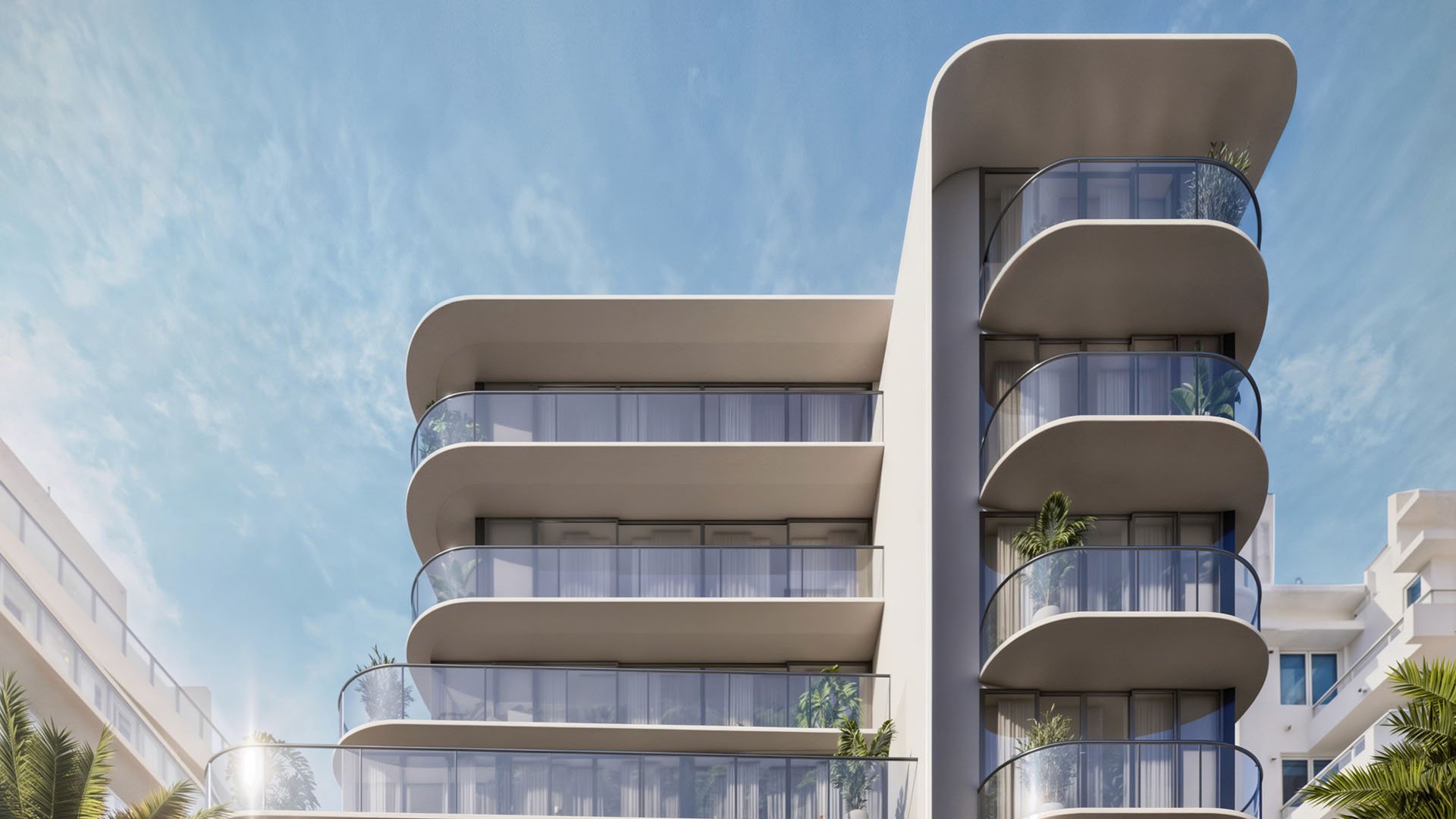
Alma Bay Harbor Islands should be assessed as both a residence and a long-duration portfolio commitment. A family office must determine whether the property’s positioning, ownership structure, operating model, and potential resale profile suit the principal’s intended use and governance standards.
The investment memorandum should distinguish lifestyle value from financial expectations. Privacy, convenience, and personal utility may support an acquisition, but they should not replace disciplined analysis of recurring expenses, contingent liabilities, document protections, and the practical path to a future sale.
The annual ownership model should begin with the proposed condominium budget and governing documents. Relevant diligence includes common-expense allocations, reserve provisions, insurance responsibilities, management expenses, maintenance obligations, and the procedures governing assessments.
Residence-level costs should be modeled separately. Property taxes, insurance, utilities, interior maintenance, furnishing care, and private household staffing can materially affect the total annual commitment even when they do not appear in the condominium budget.
The family office should also separate predictable obligations from variable or event-driven exposure. Scenario analysis can test insurance changes, higher maintenance needs, additional reserve requirements, or assessments without assigning unsupported estimates to any of those items.
Service intensity should be evaluated against the principal’s occupancy pattern. A residence used intermittently may require arrival preparation, vendor coordination, routine inspections, and emergency response, while a primary residence may place greater emphasis on consistent daily coverage.
The diligence team should identify which personnel are employed directly, which functions are contracted, when coverage is available, and which services generate separate charges. It should also review supervision, backup coverage, access controls, and responsibility for in-residence work.
A useful comparison set can include The Well Bay Harbor Islands and Onda Bay Harbor. The purpose is not to rank amenity lists, but to compare service obligations, privacy, and the likely operational fit for the household.
A pre-construction acquisition requires legal and technical diligence before capital is committed. Counsel should review deposit terms, completion provisions, buyer remedies, amendment rights, transfer restrictions, and the final condominium documents. The project team should separately assess plans, specifications, delivery conditions, and the process for identifying and correcting deficiencies.
The underwriting file should use controlling documents rather than promotional descriptions whenever the two differ. Any unresolved point affecting ownership percentages, common expenses, residence configuration, or purchaser rights should remain an explicit condition of approval.
The analysis should also address the opportunity cost of committed capital and the consequences of timing changes. These considerations belong in the investment decision even when the residence is intended primarily for personal use.
Exit flexibility depends on more than the quality of the residence. The relevant buyer pool, competing inventory, financing conditions, property condition, and the cost of holding the home during marketing can all affect disposition.
A conservative model should avoid assuming an immediate sale or full recovery of transaction and carrying costs. It should test a longer marketing period, continued ownership expenses, negotiation, and the possibility that a distinctive residence may require a highly specific buyer.
Alana Bay Harbor Islands can be monitored as another local reference point, while recognizing that each property requires its own review. Comparable analysis should adjust for differences in design, services, condition, timing, and ownership structure rather than relying on project names alone.
Investment-committee approval should be conditional on satisfactory legal documents, a supportable all-in ownership budget, a service plan aligned with actual use, and a disposition case that remains acceptable under stress. The family office should also assign responsibility for document review, construction monitoring, residence operations, and future sale preparation.
This framework does not predetermine whether Alma is suitable. It creates a decision process in which personal utility and portfolio discipline can be considered together without treating unverified assumptions as established facts.
What is the central family-office question for Alma Bay Harbor Islands? The central question is whether the residence’s personal utility, total ownership obligations, and exit profile fit the principal’s objectives.
Which documents should be reviewed before an acquisition? Counsel should review the purchase agreement, condominium documents, budget, insurance responsibilities, assessment procedures, transfer provisions, and buyer remedies.
How should carrying costs be evaluated? Build the model from verified project documents and add residence-level expenses separately, without relying on unsupported estimates.
Why separate recurring and contingent expenses? The distinction helps the investment committee understand ordinary annual obligations and exposure to less predictable costs.
How should staffing be assessed? Compare staffing hours, contracted services, backup coverage, supervision, and separate charges with the household’s expected occupancy pattern.
What should the team examine in a pre-construction review? The review should address contractual protections, plans and specifications, timing provisions, purchaser rights, and procedures for resolving deficiencies.
How should conflicting project information be handled? Use controlling legal and technical documents, and make unresolved discrepancies conditions of approval.
What belongs in a conservative exit model? Include a potentially extended marketing period, continued carrying costs, negotiation, and competition from other South Florida residences.
Are nearby projects direct substitutes for Alma? Not automatically; each comparison requires adjustments for design, services, condition, timing, and ownership structure.
What should trigger final investment approval? Approval should follow satisfactory diligence on documents, total costs, operations, execution risk, and disposition flexibility.
For a confidential assessment and a building-by-building shortlist, connect with MILLION.
If branded residences are on your mind — as a home or as an allocation — we would be glad to share what we are seeing, privately.
Begin a quiet conversation