A lock-and-leave waterfront residence deserves marine, title, maintenance, access, permitting, and insurance diligence beyond a conventional home inspection.
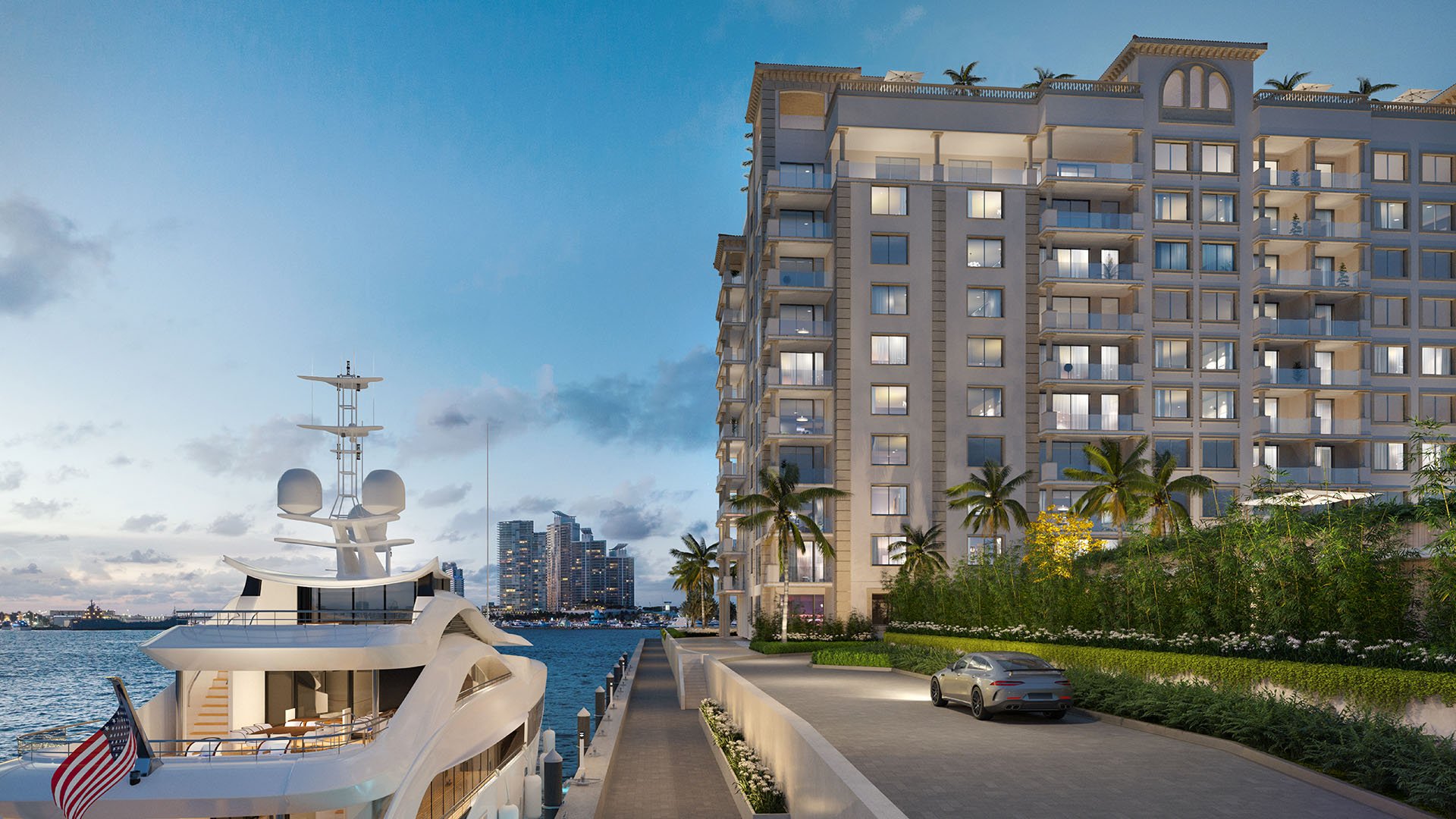
A lock-and-leave address on the water promises effortless arrivals, but the shoreline introduces obligations that remain active while the owner is away. The essential question is not simply whether the residence is beautifully managed, but who is legally and financially responsible for the seawall, dock, drainage, canal access, storm response, and insurance layers that protect the property.
Do not assume responsibility based on continuous landscaping, shared construction, listing language, or a neighbor's understanding. Review title documents, community covenants, seller disclosures, and applicable municipal or special-district records. Obtain written confirmation identifying whether the wall is individually owned, shared, or collectively maintained and how repair costs are allocated.
This distinction matters when comparing an estate with a managed condominium residence. A buyer weighing Miami Beach inventory such as The Ritz-Carlton Residences® Miami Beach should still review association documents, reserve responsibilities, maintenance standards, and assessment history rather than assume every waterfront component is covered by routine dues.
True lock-and-leave ownership begins with written responsibility, not visual reassurance.
A general home inspection is no substitute for a specialist review of the shoreline. Treat the seawall and dock as separate scopes, led by a qualified marine contractor and, when appropriate, a structural or coastal engineer. Complete this work during the contractual contingency period so the findings can inform the purchase decision, written repair estimates, and any request for a seller credit.
The inspection should examine the cap, panels, tiebacks, weep holes, and toe. Ask the specialist to identify cracking, bowing, corrosion, impaired drainage, soil loss, deterioration, or movement. Drainage merits particular scrutiny, including the condition of weep holes and the area behind the wall.
Conditions at and below the waterline are easily overlooked. A diver or camera inspection can document toe conditions, piles, and damage not visible from the lawn or dock. Request the wall's age, construction type, last inspection date, repair history, storm-damage history, and permits for seawall and dock work. Pair the findings with a written repair or replacement estimate and a long-term capital reserve plan.
Fort Lauderdale buyers comparing a private residence with managed options such as St. Regis® Residences Bahia Mar Fort Lauderdale can apply the same principle: identify which marine elements are private, common, shared, or beyond the property's control.
Water views alone do not establish dependable vessel access. Verify low-tide depth, bridge clearances, navigational restrictions, shoaling conditions, turning space, and the vessel dimensions that can reach open water. A slip may appear generous while the controlling canal, bridge, or turning area determines practical access.
Review seller disclosures, association records, special-district files, and municipal records for completed or pending canal-dredging projects and assessments. Determine who is responsible for maintaining the berth, canal, or access channel and whether that responsibility changes beyond the property line. Secure written answers rather than relying on custom, verbal assurances, or a seller's past experience.
Before deepening a berth, altering a canal, repositioning a dock, or adding shoreline fill, ask environmental, engineering, and legal advisers to identify the approvals and authorizations required for the proposed scope. Confirm feasibility before treating a future modification as part of the property's value.
For buyers considering Bay Harbor Islands and a residence such as Onda Bay Harbor, the broader lesson is to separate three issues: legal use of the waterfront, physical access to open water, and responsibility for maintaining that access.
Shoreline diligence should extend beyond the current seawall. Review surveys, elevation information, permits, engineering records, association budgets, reserve materials, and disclosed plans affecting adjacent walls, docks, canals, drainage, or shoreline work. The objective is to understand both the property's present condition and the path for addressing future work.
Shared infrastructure demands particular precision. Ask how decisions are approved, costs are allocated, emergencies are handled, and disputes between neighboring owners are resolved. If an association, municipality, or district maintains the wall, verify the scope and exclusions in writing. Collective responsibility may simplify oversight, but it can also introduce assessment timing and decision-making beyond an individual owner's control.
This is central to South Florida waterfront due diligence and helps frame comparisons with managed communities, including The Ritz-Carlton Residences® Palm Beach Gardens, where buyers should examine the governing documents that define private and common obligations.
A second home is only as resilient as the instructions governing it during the owner's absence. The property-management agreement should expressly require recurring checks of the seawall, dock, pilings, and yard drainage, along with additional inspections after major storms. It should identify who documents conditions, who can authorize urgent work, and how quickly the owner receives photographs, findings, and contractor recommendations.
The protocol should distinguish routine observation from specialist inspection. A manager may identify fresh cracking, soil loss, blocked drainage, dock movement, or storm debris, but technical conclusions and repair design belong with qualified marine and engineering professionals. Establish escalation thresholds, approved contacts, and spending authority before hurricane season or an extended absence.
Maintain a digital property data room containing inspection reports, repair estimates, permits, elevation data, surveys, insurance schedules, warranties, invoices, and storm records. This archive supports continuity among managers and advisers while creating an orderly record for future financing, underwriting, or resale.
Insurance should be priced and structured during the inspection period, not after the waterfront condition has been accepted. Request current quotes and compare premiums, exclusions, limits, deductibles, and coverage layers across relevant wind and flood scenarios. Review available loss information and ask insurance advisers how prior claims or shoreline conditions could affect underwriting.
Ask whether building, contents, flood, wind, dock, seawall, temporary living expense, and excess coverage are addressed. Coverage terms and availability can vary, so obtain written explanations of exclusions, sublimits, deductibles, and conditions rather than relying on a general estimate.
Model each deductible as actual cash exposure and evaluate whether the ownership structure can absorb it after a major event. Confirm current carrier requirements, eligibility, and coverage options directly during underwriting rather than relying on historical pricing or another property's policy.
The most convincing lock-and-leave purchase is not the one with the fewest visible demands. It is the one whose responsibilities, physical condition, access, capital planning, maintenance protocol, and insurance structure have all been made legible in writing.
For discreet guidance on evaluating South Florida's finest residences, connect with MILLION.
If branded residences are on your mind — as a home or as an allocation — we would be glad to share what we are seeing, privately.
Begin a quiet conversationResponsibility depends on the title documents, community covenants, and any applicable shared-maintenance arrangement. Obtain written confirmation before closing.
The seawall and dock should receive a separate specialist review by a qualified marine contractor and, when appropriate, a structural or coastal engineer.
The scope should include the cap, panels, tiebacks, weep holes, toe, drainage, soil loss, and visible signs of deterioration or movement.
A diver or camera inspection can document piles, toe conditions, and damage that may not be visible from the lawn or dock.
Complete them during the contractual contingency period and obtain written repair or replacement estimates before making a final purchase decision.
Review seller, association, special-district, and municipal records, then secure written confirmation of who maintains the berth, canal, and access channel.
Ask environmental, engineering, and legal advisers to identify the approvals and authorizations required for the proposed work before assuming it is feasible.
Verify low-tide depth, bridge clearances, navigational restrictions, shoaling, turning space, and the vessel dimensions that can reach open water.
It should require recurring checks of the seawall, dock, pilings, and yard drainage, including documented inspections after major storms.
Obtain and compare written insurance options during the inspection period, with attention to limits, exclusions, deductibles, and relevant wind and flood coverage layers.