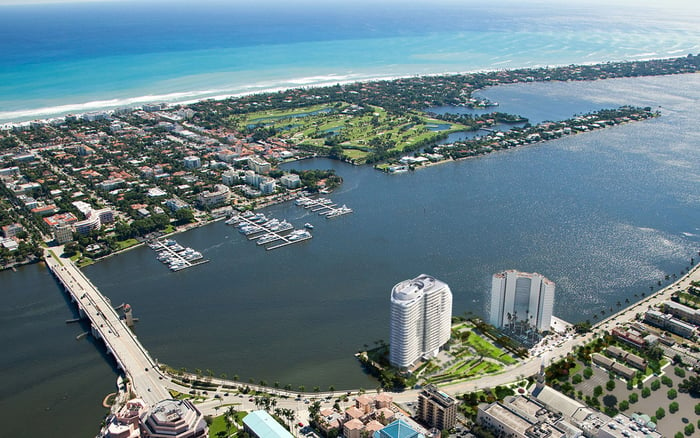
A discreet planning framework for Connecticut buyers aligning ownership, succession, financing, privacy, and administration before acquiring a West Palm Beach residence.

For a Connecticut buyer, acquiring a West Palm Beach residence can be both a lifestyle decision and a consequential addition to a multistate balance sheet. The elegant approach is to resolve the planning questions before the contract, deposit, financing, and closing calendar begin to dictate the sequence.
This is not simply a matter of choosing a name for the deed. Buyers should ask their estate-planning attorney, tax advisor, insurance professional, lender, and Florida real-estate counsel to work from the same set of facts: intended use, family beneficiaries, existing trusts or entities, liquidity, financing, privacy preferences, and the possibility of a future change in domicile.
The central principle is coordination. A sophisticated plan should connect the property to the family's broader objectives without allowing the purchase structure to create unintended administrative friction.
The first advisor conversation should distinguish among a seasonal retreat, a second home, a future primary residence, and an investment property. Each intention can raise different questions about ownership, financing, insurance, succession, and recordkeeping. If plans may evolve, advisors can evaluate a structure for both present and plausible future use rather than optimize for a single, narrow scenario.
Property type also matters. A buyer comparing Forté on Flagler West Palm Beach with The Ritz-Carlton Residences® West Palm Beach should ask counsel to review the specific contract, governing documents, use restrictions, closing requirements, and ownership provisions. The planning structure should fit the selected residence, not an abstract idea of Florida property.
Buyers considering waterfront living should also coordinate property insurance and liability review early. Coverage should reflect how the home will be occupied, whether guests or staff will use it, and how personal property, vehicles, watercraft, or collections fit within the household's wider risk program.
The deed might name an individual, spouses, a trust, or an entity, but no single structure is universally preferable. Advisors should assess each option against the buyer's estate documents, family relationships, creditor concerns, financing terms, privacy goals, and anticipated holding period.
The questions should be concrete. Who has authority to sign the purchase contract? Can the intended borrower and owner differ? Will a lender accept the proposed structure? Who may occupy the residence? What happens after incapacity or death? Can successor decision-makers manage assessments, insurance, repairs, and a later sale without avoidable delay?
When considering South Flagler House West Palm Beach, buyers should confirm whether assignment or a later ownership change is permitted, along with any applicable approvals, costs, documentation, or timing constraints.
A Connecticut buyer should avoid treating Florida counsel and the existing home-state advisory team as separate tracks. Each advisor needs a complete view of current wills, revocable and irrevocable trusts, business interests, family entities, marital agreements, powers of attorney, beneficiary designations, and prior gifts.
Ask the team to identify which documents require review before the acquisition and which may need revision afterward. The discussion should address incapacity as carefully as inheritance. Someone must be empowered to handle association notices, taxes, insurance renewals, repairs, banking, and emergency decisions if an owner cannot act.
If a future move from Connecticut to Florida is contemplated, discuss domicile as a distinct legal and factual project. A home purchase alone should not be assumed to resolve the question. Advisors can establish an orderly checklist for records, declarations, personal connections, and ongoing conduct while preserving consistency across the estate plan.
Cash and financed acquisitions require different planning conversations. With financing, the ownership vehicle, borrower, guarantor, trust, and lender requirements should be reconciled before execution. With cash, buyers should still examine post-closing liquidity, including funds available for carrying costs, improvements, assessments, insurance, and estate administration.
Succession planning should address both who receives the property and what happens next. One beneficiary may wish to retain a Palm Beach residence while another prefers liquidity. Advisors can explore decision rules, funding, allocation among heirs, rights of use, expense sharing, and a mechanism for sale if family preferences diverge.
The same discipline applies when reviewing Mr. C Residences West Palm Beach or another condominium. Buyers should consider who will communicate with management, approve expenditures, access the residence, supervise vendors, and preserve important documents during incapacity or administration.
Before signing, assemble a secure file containing proposed purchaser names, identification requirements, trust or entity documents, signature authority, lender conditions, insurance contacts, source-of-funds documentation, and the latest estate-planning instruments. Counsel can then determine what should be provided, certified, amended, or kept private.
Request a written responsibility calendar covering contract review, entity or trust actions, financing, insurance, inspections, title, association procedures, closing funds, and post-closing updates. After the deed is recorded, the team should confirm that estate schedules, insurance, household inventories, contact lists, and fiduciary instructions accurately reflect the new residence.
The objective is not complexity. It is a coherent ownership and administration plan that remains clear to the buyer, family, fiduciaries, and professional team.
Should estate planning begin before making an offer? Ideally, the advisory team should review ownership options before the contract fixes the purchaser and closing timetable.
Should a Connecticut revocable trust own the Florida residence? That is a buyer-specific legal question. Florida and Connecticut counsel should assess the trust against financing, succession, administration, and intended use.
Is an LLC automatically the most private ownership choice? No structure should be assumed to guarantee privacy. Counsel should evaluate public filings, lender requirements, association records, and practical disclosure obligations.
Does buying in Florida establish Florida domicile? Buyers should not treat the purchase alone as determinative. Discuss intent, conduct, documentation, and connections to each state with qualified advisors.
What documents should advisors review first? Start with wills, trusts, powers of attorney, marital agreements, entity documents, beneficiary designations, and the proposed purchase contract.
How should spouses approach title? They should discuss family objectives, existing agreements, creditor considerations, incapacity, succession, and financing before selecting a form of ownership.
What if the buyer plans to finance the purchase? Confirm early that the borrower, guarantor, and intended owner align with lender requirements and the estate plan.
How should heirs be prepared for the residence? Define who may use, manage, fund, retain, or sell it, then document decision-making and expense responsibilities clearly.
Should insurance be part of the estate-planning conversation? Yes. Property, liability, valuable articles, staffing, guest use, and fiduciary access should be coordinated with the ownership plan.
What is the best way to shortlist comparable options for touring? Start with location fit, delivery status, and daily lifestyle priorities, then compare stacks and elevations to validate views and privacy.
For a confidential assessment and a building-by-building shortlist, connect with MILLION.
If branded residences are on your mind — as a home or as an allocation — we would be glad to share what we are seeing, privately.
Begin a quiet conversation