For Toronto buyers establishing a primary home in West Palm Beach, the pivotal dates are January 1 and March 1. A disciplined plan must also account for post-sale reassessment, the Save Our Homes cap, and whether any prior Florida homestead benefit can be transferred.
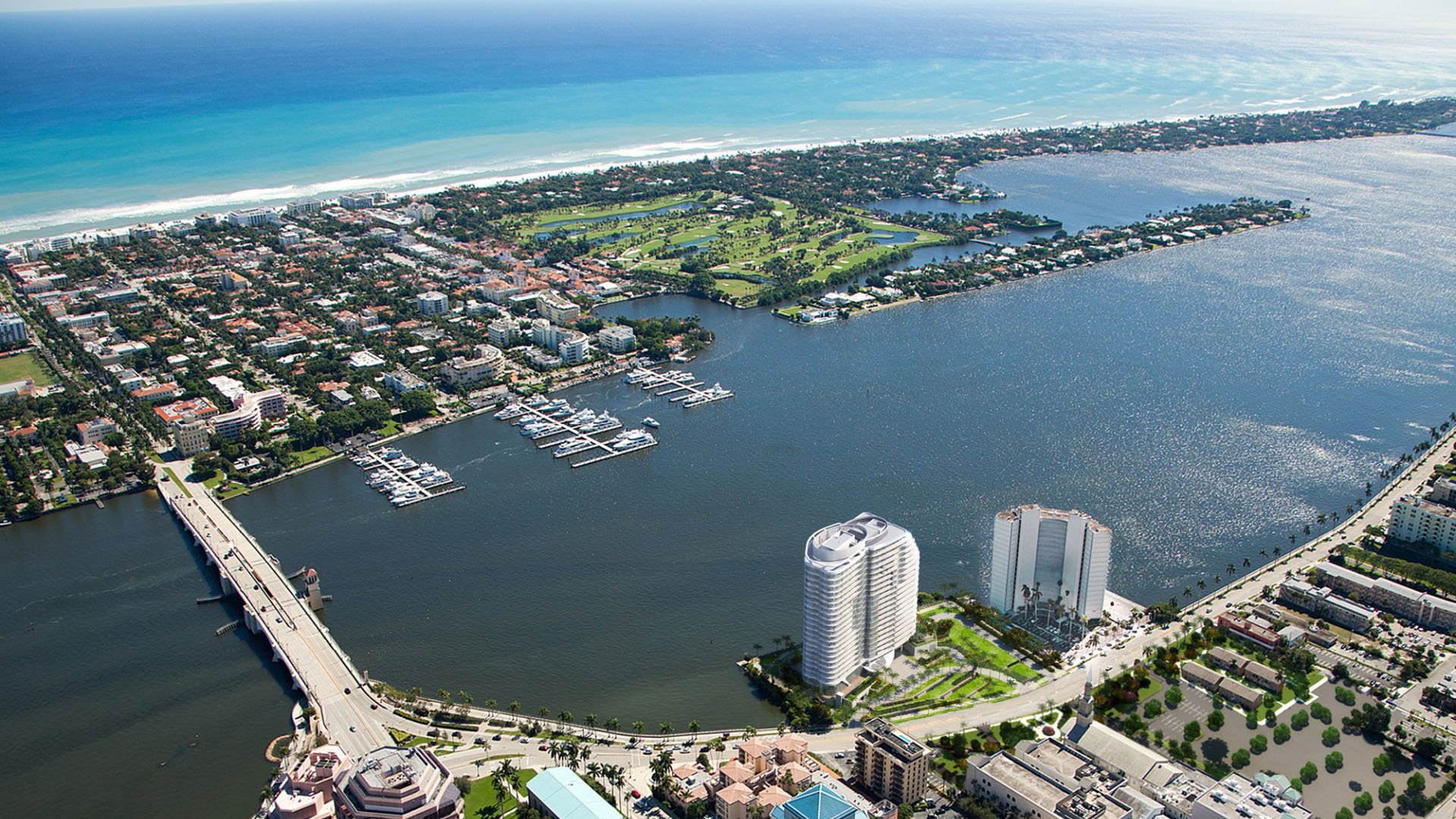
For a Toronto owner relocating to West Palm Beach, selecting the residence is only one part of the transaction. The acquisition calendar can determine when Florida homestead treatment begins, how the property is assessed after the sale, and whether an existing Save Our Homes benefit can follow the owner from another Florida residence.
January 1 is the central threshold. To receive homestead treatment for a given tax year, the buyer must own and genuinely occupy the West Palm Beach property as a permanent residence on that date. Closing before year-end is not enough on its own. The move, occupancy, and broader facts establishing Florida permanent residence must align before January 1.
The application comes next. Form DR-501 is filed with the county property appraiser, with a March 1 deadline for the year in which the benefit is sought. A buyer who closes or establishes permanent residence after January 1 generally must wait until the following tax year.
The most consequential date may be the day permanent residence is established, not the closing day alone.
Luxury buyers should not use these terms interchangeably. Market value reflects the property's value for assessment purposes. Assessed value is the amount reached after applicable assessment rules, including any portability benefit. Taxable value is the amount remaining after qualifying exemptions are applied.
After a change in ownership, the seller's capped assessment generally does not transfer to the purchaser. The property is typically reassessed toward current market value for the next tax year, before the buyer's exemptions and any allowable portability adjustment are applied. The seller's current tax bill can therefore be a poor basis for a first-year ownership budget, particularly when the residence has been held through years of capped growth.
Florida's homestead exemption can reduce the taxable value of a qualifying permanent residence by as much as $50,000. Once the buyer's new homestead assessment is established, Save Our Homes limits annual increases in assessed value to the lesser of 3% or the applicable Consumer Price Index change. The cap can become increasingly meaningful over a long holding period, but it does not preserve the seller's historical assessment for the new owner.
This distinction belongs in every investment review and Pricing & Trends discussion. Acquisition price, projected reassessed value, exemptions, and annual assessment limits should occupy separate lines in the ownership model.
A Toronto buyer with no previous Florida homestead begins a new Save Our Homes history in West Palm Beach. There is no accumulated Florida assessment difference to import from a Canadian residence. The practical sequence is to close, move in, and establish the property as the permanent home before January 1, then submit Form DR-501 by March 1.
A different strategy applies when the Toronto-based buyer also owns, or recently owned, a prior Florida homestead. Portability transfers the difference between that former home's market value and capped assessed value to a new Florida homestead, subject to the applicable calculation. The maximum transferable assessment difference is $500,000, and portability is available statewide.
The new homestead must be established on or before January 1 of the third year after the previous Florida homestead was abandoned. The owner normally files Form DR-501T with the new homestead application by March 1. For a transfer from another Florida county, the former assessment difference must be verified before the benefit can be calculated.
Moving permanent residence out of Florida generally ends the existing homestead exemption. An accumulated Save Our Homes benefit may nevertheless remain portable during the prescribed period, making the abandonment date an essential planning fact.
The selected residence must function as the owner's permanent primary home, not merely as a second home or full-time rental property. Evidence of permanent residence can include a Florida driver license or identification card, vehicle registration, voter registration or a declaration of domicile, together with actual use of the property as the owner's primary base.
That requirement should inform both contract timing and the residence's practical readiness. A buyer comparing Alba West Palm Beach with Forté on Flagler West Palm Beach should assess whether the chosen home can support genuine occupancy by the intended January 1 threshold. The same discipline applies to South Flagler House West Palm Beach and The Ritz-Carlton Residences® West Palm Beach.
These links are not substitutes for tax analysis. They illustrate why the residence search and tax calendar should advance together. Waterfront preferences, new-construction considerations, delivery expectations, closing mechanics, and move-in readiness can all affect whether the intended residence plan is operational in time.
The most useful framework is a coordinated residence file assembled before closing. It should distinguish the planned closing date from the date of actual occupancy and establishment of permanent residence. For buyers claiming portability, it should also record the former Florida property's accumulated assessment difference and abandonment date.
The ownership team should model at least two scenarios. The first assumes qualification for the intended tax year because ownership and permanent occupancy are established by January 1. The second assumes qualification is deferred because closing or residence establishment occurs later. Neither scenario should treat the seller's exemptions or capped assessment as automatically transferable.
The buyer should also prepare records supporting permanent residence and calendar the March 1 filing deadline for Form DR-501. If portability is available, Form DR-501T should be prepared alongside it. Current deadlines and any possible late-filing relief should be confirmed rather than assumed.
Florida property-tax residence is only one component of a Toronto-to-Palm Beach transition. Homestead qualification does not determine Canadian tax residency, United States immigration status, or cross-border income and estate-tax treatment. Those questions require separate legal and tax advice based on the owner's complete circumstances.
A carefully sequenced plan therefore has three parallel tracks: the real estate closing, the genuine establishment of Florida permanent residence, and cross-border professional review. When coordinated early, these tracks allow the buyer to approach January 1 with evidence in order, a realistic reassessment budget, and clarity on whether portability is available.
For discreet guidance on selecting and timing a West Palm Beach residence, connect with MILLION.
If branded residences are on your mind — as a home or as an allocation — we would be glad to share what we are seeing, privately.
Begin a quiet conversationThe buyer must own and occupy the West Palm Beach property as a permanent residence on January 1.
No. The property must also be genuinely occupied as the buyer's permanent residence by January 1.
The application is due by March 1 of the year in which the benefit will apply.
The owner files Form DR-501 with the county property appraiser.
It can reduce the taxable value of a qualifying permanent residence by as much as $50,000.
Generally, no. After a change in ownership, the property is reassessed toward current market value for the next tax year.
Once the new homestead assessment is established, it limits annual assessed-value increases to the lesser of 3% or the applicable Consumer Price Index change.
No. Portability is limited to assessment benefits accumulated on a previous Florida homestead.
The maximum transferable assessment difference is $500,000, subject to the applicable portability calculation.
The owner normally files Form DR-501T with the new homestead application by March 1.