A buyer-focused comparison of Wellington equestrian community layout and Palm Beach estate planning, with emphasis on privacy, circulation, land use, amenities, and daily lifestyle rhythm.
For the ultra-premium buyer, the difference between Wellington luxury housing and Palm Beach estate planning is not simply a matter of taste. It is a question of how the land is expected to perform. In one setting, the property must support an equestrian life with disciplined circulation, practical service zones, and room for animals, staff, equipment, guests, and family to move without friction. In the other, the estate is often judged by privacy, arrival sequence, architectural presence, garden composition, and the seamless orchestration of formal and informal living.
This is not a contest between rustic and refined. Wellington can be highly polished, and Palm Beach can be quietly practical. The distinction lies in hierarchy. In Wellington, the horse is often the planning constant around which the residence, barn, paddocks, driveways, and utility access are composed. In Palm Beach, the home itself typically carries the ceremonial weight, with landscape, arrival, and leisure spaces shaped to frame domestic life.
A true equestrian layout begins with movement. The strongest properties separate the paths of residents, guests, horses, service providers, and deliveries. This separation is not about excess; it is about calm. When circulation is properly considered, the house can feel serene even when the property is active behind the scenes.
In Wellington luxury housing, a buyer should read the property as a working composition rather than a static residence. Where does a trailer enter? How does staff reach the barn without crossing the primary arrival court? Can the owner move between the residence and equestrian areas comfortably and discreetly? Is there a clear distinction between social space and operational space? These questions matter because layout quality reveals itself in daily use, not only during a showing.
The house itself may be expansive, but the land plan often tells the more important story. A beautiful residence paired with awkward service access can feel compromised. Conversely, a restrained home on a superbly planned equestrian parcel can deliver a rare level of ease.
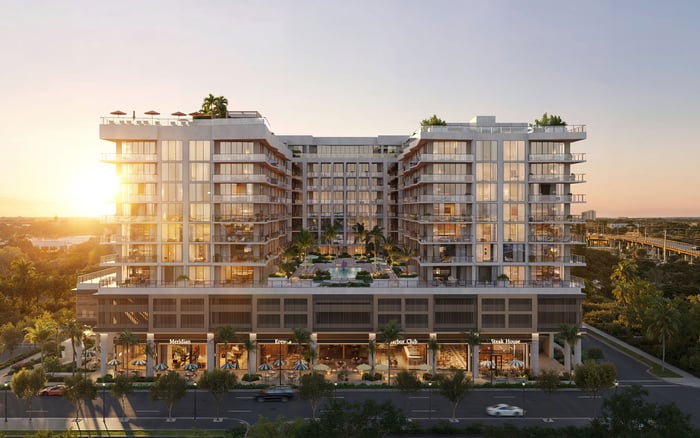
Palm Beach estate planning, in the residential design sense, tends to elevate the sequence of experience. The approach, gate, motor court, front door, garden axes, outdoor rooms, and pool setting become part of a choreographed progression. The buyer is not only acquiring rooms; the buyer is acquiring a way of arriving, entertaining, retreating, and remaining unseen when desired.
Here, privacy is often achieved through layered landscape, controlled sightlines, and carefully placed outdoor living areas. The best estates make the property feel larger than its dimensions by editing what is visible and when. A guest may experience a formal arrival, while the family enjoys a quieter internal world of terraces, gardens, wellness spaces, and shaded leisure areas.
The lifestyle vocabulary can sound almost coded: Palm Beach privacy, gated-community discretion, single-family homes, golf, tennis court, and pool all point to different versions of daily comfort. Yet the serious buyer looks past labels. The question is whether those elements are integrated into a coherent estate plan or merely placed on a site.
The first difference is the role of utility. Wellington rewards properties that acknowledge operational needs and resolve them elegantly. Barn access, storage, staff movement, wash areas, equipment, and guest parking should not feel improvised. They should be legible, convenient, and discreet.
Palm Beach planning often rewards concealment. Service zones still matter, but the property may be judged more strongly on how successfully function recedes into the background. Kitchens, staff rooms, garages, mechanical areas, and delivery points should support a graceful domestic life without interrupting the visual order of the estate.
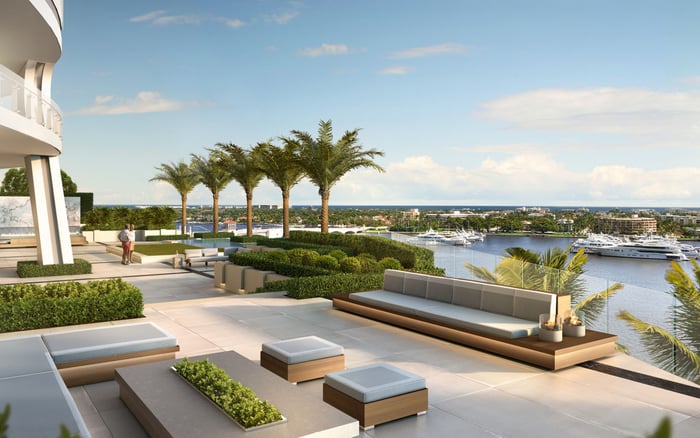
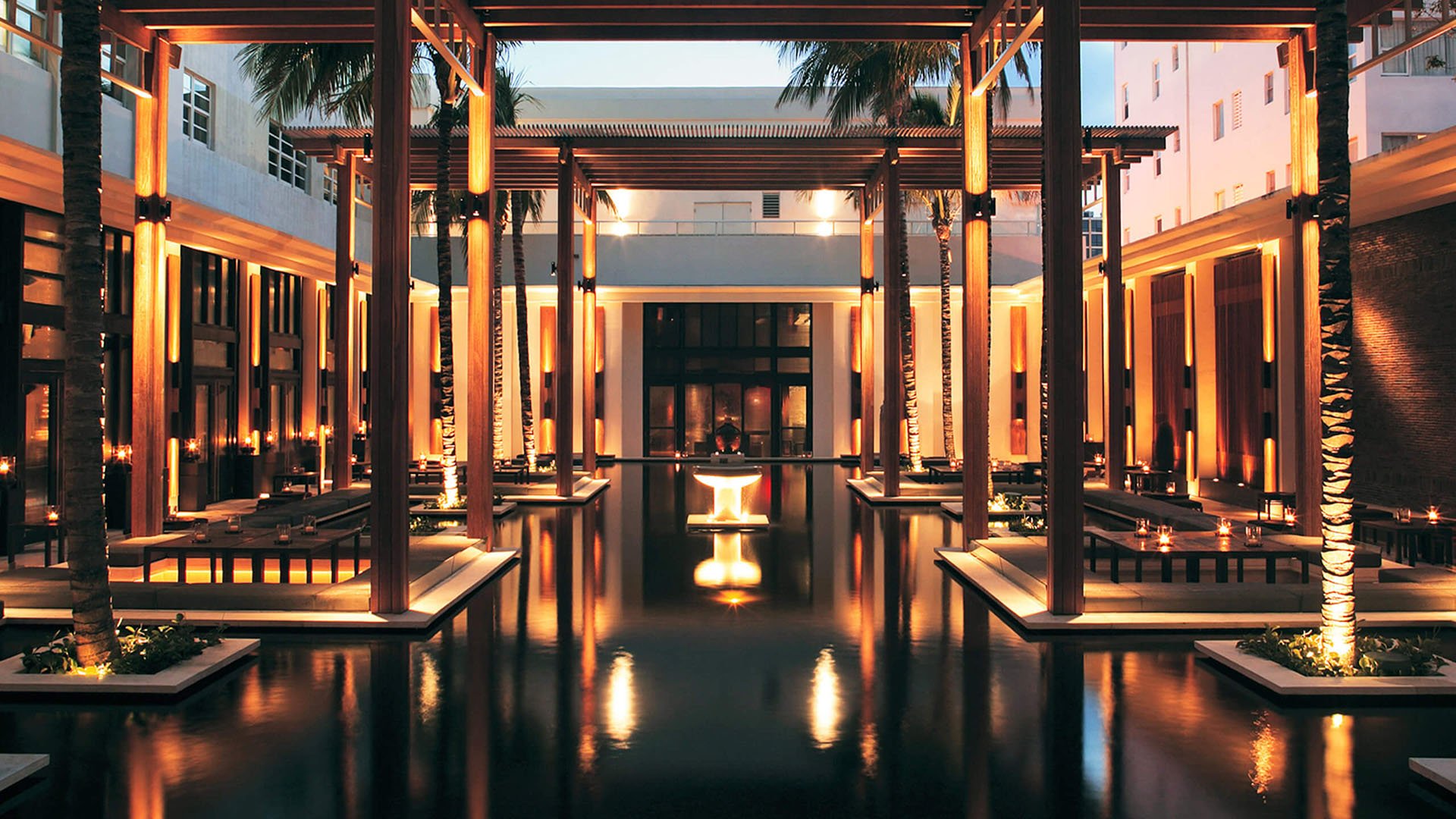
The second difference is outdoor space. In Wellington, open land is rarely just decorative. It can be part of the equestrian program, a buffer for privacy, or a flexible reserve for future adaptation. In Palm Beach, outdoor space is often more architectural, with courtyards, terraces, gardens, and water features creating rooms under the sky.
The third difference is sound and tempo. Equestrian living accepts a certain productive rhythm. Palm Beach estate living often aspires to quiet continuity. Neither is superior. Each speaks to a different idea of luxury.
A buyer should imagine the property on an ordinary day, not only at its most staged. In Wellington, that means picturing early movement, care routines, visitors, vehicles, and transitions between home and equestrian functions. The ideal layout reduces conflict among these activities.
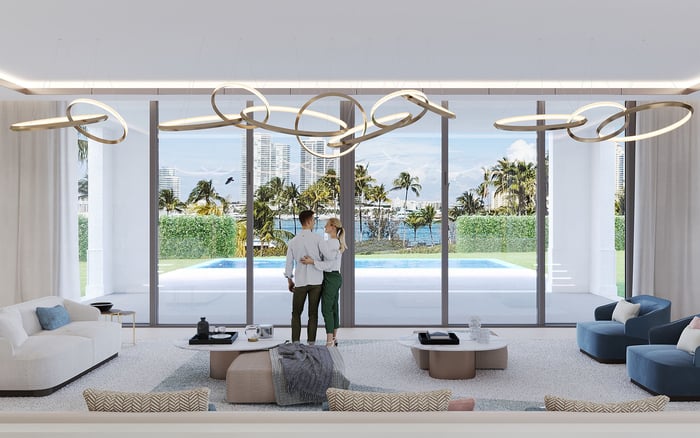
In Palm Beach, the ordinary day may be measured by privacy, shaded outdoor dining, the ease of hosting, the comfort of bedrooms, and how naturally indoor spaces connect with gardens and terraces. The estate should support both formality and informality without forcing one mood on every occasion.
Long-term value is also tied to adaptability. Equestrian properties should have a land logic that remains intelligible if programs evolve. Palm Beach estates should have architectural and landscape bones strong enough to accommodate updates without losing character. In both cases, the best planning is not loud. It is felt as effortlessness.
Wellington is compelling for the buyer whose residence is part of a broader equestrian life. The property must work beautifully, not just photograph beautifully. A successful acquisition will likely feel like a private compound with a refined operational backbone.
Palm Beach is compelling for the buyer who prioritizes architectural presence, privacy, entertaining, and a curated residential atmosphere. The estate is less a working campus and more a composed retreat, where arrival, landscape, and interior life are calibrated for discretion.
For some families, the answer may be both: Wellington for equestrian commitments and Palm Beach for social and coastal rhythm. For others, the choice is clear once daily life is honestly mapped. Luxury is not the same as scale. It is the absence of avoidable compromise.
What is the main difference between Wellington and Palm Beach estate layouts? Wellington planning often begins with equestrian function, while Palm Beach planning emphasizes arrival, privacy, landscape, and residential composition.
Is Wellington luxury housing only for serious equestrians? Not necessarily, but its strongest layouts usually make the most sense for buyers who value equestrian infrastructure or a compound-like land plan.
What should buyers examine first on an equestrian property? Begin with circulation, including how residents, guests, horses, staff, trailers, and service vehicles move across the property.
What defines a strong Palm Beach estate plan? A strong plan balances privacy, arrival, outdoor rooms, service access, and architectural presence without making the property feel overworked.
Does a larger parcel always mean a better estate? No. Land quality depends on proportion, access, privacy, usability, and how well the residence and outdoor spaces relate to one another.
Why is service circulation important in luxury planning? Discreet service circulation allows daily operations to occur smoothly without disrupting the owner experience or guest arrival sequence.
How should buyers compare outdoor amenities? Look for placement, privacy, sun exposure, access from main living areas, and whether amenities feel integrated rather than appended.
Can an equestrian property still feel formal and elegant? Yes. The best equestrian layouts combine operational clarity with refined architecture, landscape, and guest-facing spaces.
Can a Palm Beach estate be practical as well as beautiful? Yes. Practicality is essential, but it is often expressed through hidden support spaces and carefully managed sightlines.
What is the best way to choose between the two lifestyles? Map a normal week in detail, then choose the property type that supports that rhythm with the fewest compromises.
For a tailored shortlist and next-step guidance, connect with MILLION.
If branded residences are on your mind — as a home or as an allocation — we would be glad to share what we are seeing, privately.
Begin a quiet conversation