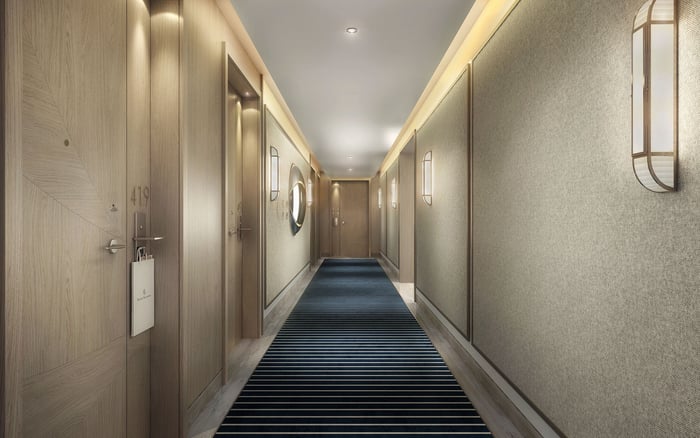
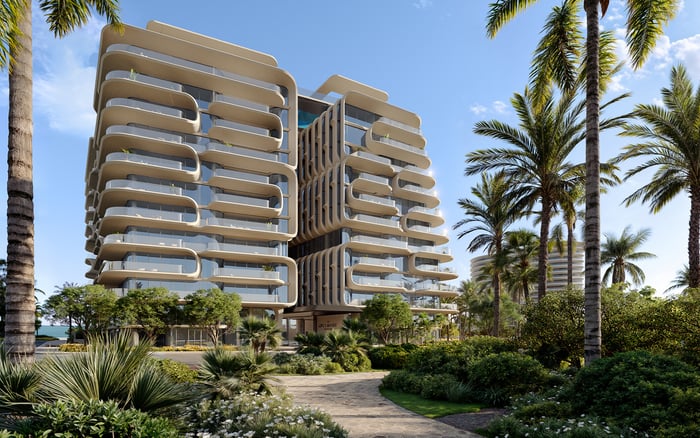
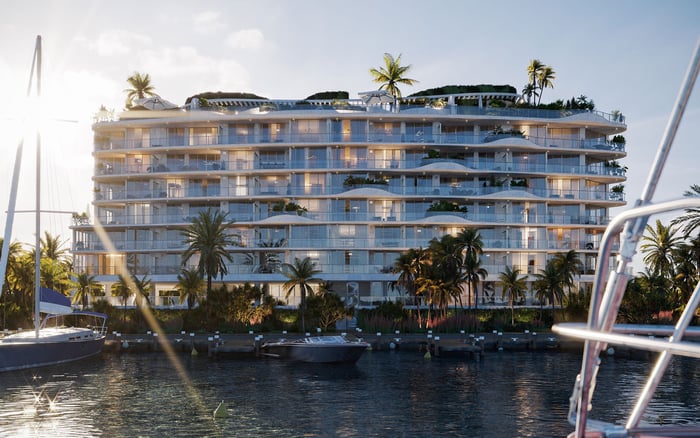
Elevator privacy is not merely an amenity. It shapes the emotional transition from arrival to residence, influences guest and service circulation, and determines how protected daily life feels. At Rivage Bal Harbour, buyers should examine the complete vertical-access sequence rather than relying on a single phrase in a presentation.
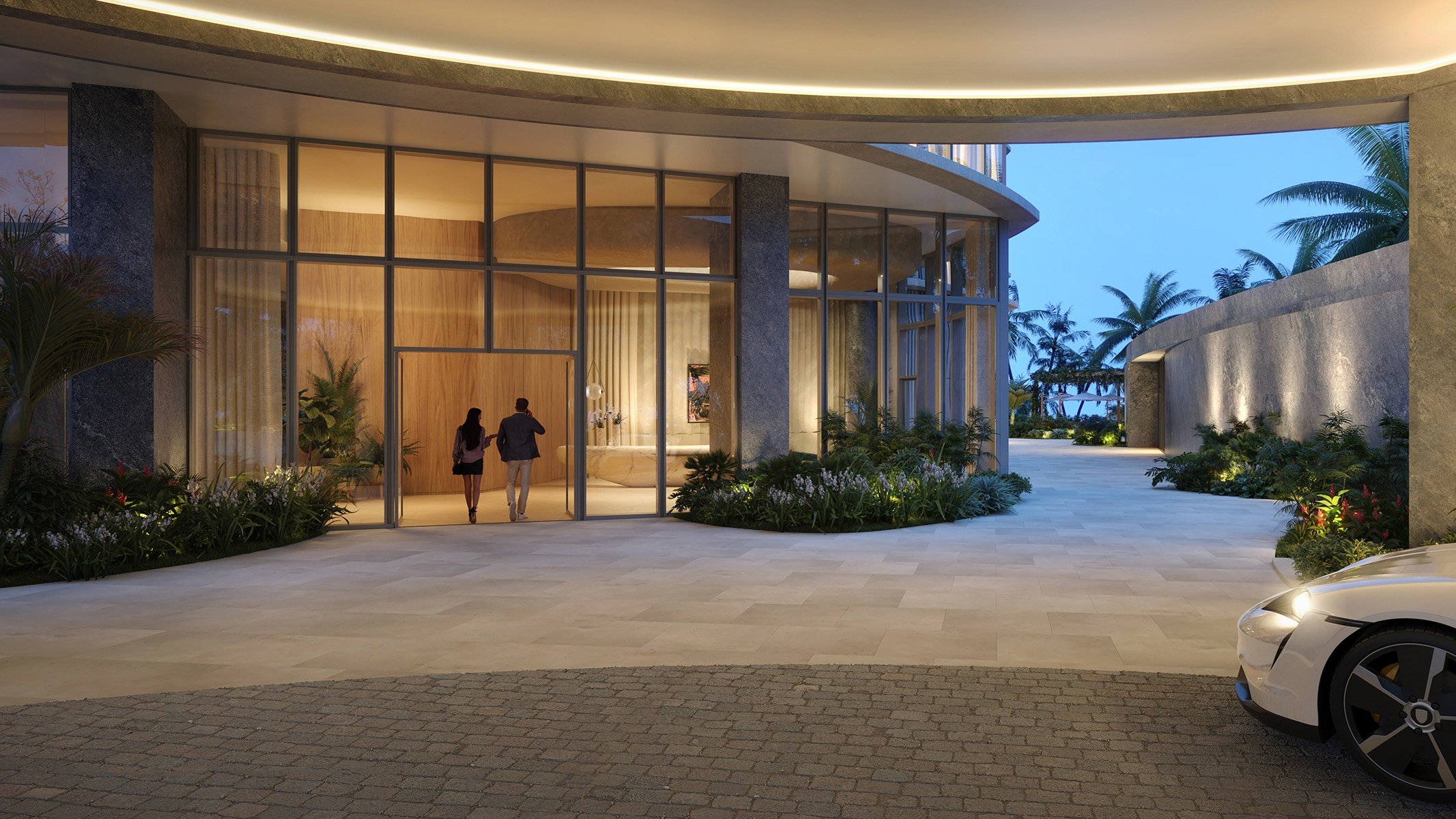
In an exceptional residence, privacy unfolds as a sequence. It begins with a vehicle’s arrival, continues through the building entrance and lobby, and culminates at the threshold of the home. The elevator is the connective tissue of that journey. When thoughtfully planned, vertical access makes ownership feel composed, intuitive and protected. When it is not, even beautiful interiors can feel more public than expected.
For buyers considering Rivage Bal Harbour, elevator privacy warrants the same scrutiny as views, proportions and finishes. The central question is not simply whether an elevator is described as private. It is how residents, guests, household staff, delivery personnel and building staff move from curb to residence-and where those routes intersect.
This distinction is especially relevant for buyers who value discretion. Elevator planning shapes the rhythm of daily life: returning from dinner, receiving friends, managing luggage, welcoming a designer or coordinating household services.
The phrase “private elevator” can describe markedly different experiences. Buyers should clarify whether privacy refers to a dedicated landing, controlled floor access, direct residence entry or another configuration. Each arrangement can feel different in practice, and plans alone may not convey the complete arrival sequence.
The most useful review begins at the property line. Who opens the first door? Where is identity confirmed? Can a guest reach the elevator without crossing resident circulation? What happens after a delivery is accepted? The answers reveal whether privacy is continuous or concentrated solely at the final threshold.
The journey must also accommodate ordinary routines. Residents may arrive with family, carry luggage or coordinate service appointments. Elegant circulation should make these moments feel effortless without turning access into a cumbersome ritual.
Luxury is often defined by the absence of friction. A well-resolved elevator journey can minimize unplanned encounters and create a calm transition between the social world and the private home. That transition may be particularly meaningful for owners with public profiles, multigenerational households or frequent guests.
There is a spatial dimension as well. An elevator arrival integrated with the residence can extend the home’s perceived domain beyond its front door. The experience becomes closer to entering a private foyer than stepping into a shared corridor. This does not automatically make one configuration superior, but it does alter the character of ownership.
Privacy should not be confused with isolation. The best experience balances discretion with warmth, ensuring invited guests understand where to go and do not feel caught in a complicated security procedure. Hospitality and control should reinforce one another.
Elevator privacy is best evaluated through a live, step-by-step demonstration when one is available. Buyers should ask a representative to simulate the journeys of an owner, an announced guest, household staff and a delivery. This exercise can expose practical details that remain invisible in renderings and floor plans.
Begin with credentials. Determine what residents use to call the elevator and select a destination, how guest access is authorized and what happens if credentials are lost. Ask whether permissions can be temporary, restricted to specific floors or changed remotely. Buyers should also understand the procedures followed during outages, maintenance and emergencies.
Next, study the landing. Consider sightlines, acoustic separation, lighting and the position of the residence door. If the elevator opens into a private vestibule or interior zone, ask how that area is secured when the residence is unoccupied. Explore how multiple occupants enter independently and whether household staff can receive distinct permissions.
Finally, examine service flow. Groceries, floral installations, luggage, art handlers and maintenance teams are all part of luxury ownership. Privacy feels most complete when these movements are managed discreetly without compromising household convenience.
Elevator privacy depends on more than technology. Design and architecture determine whether the route feels ceremonial, residential or merely functional. Ceiling height, material continuity, door placement and lighting all shape perception. Acoustic treatment can be equally important, particularly near bedrooms or primary living spaces.
The elevator threshold also raises furnishing considerations. A dramatic artwork may define the arrival, but clearance, door movement and building requirements still govern the usable area. Buyers planning custom millwork or valuable installations should confirm what belongs to the residence, what constitutes common property and which modifications require approval.
Comparison shopping can sharpen this analysis. Alongside Rivage, buyers can consider The Delmore Surfside and The Perigon Miami Beach within the South Florida coastal market. The purpose is not to assume the systems are identical. It is to compare arrival sequences, ask consistent questions and identify the experience that feels most natural.
From a lifestyle perspective, the right system should serve the household rather than impress only during a presentation. An owner who entertains frequently may prioritize simple guest authorization. A family may focus on independent access for several occupants. A second-home buyer may care most about remote oversight and procedures during extended absences.
Operations matter just as much. Ask who manages permissions, how quickly access changes are processed and which protocols govern vendors. Confirm how privacy is maintained while elevators are serviced and how residents move during an emergency. These are not glamorous questions, but the answers often define the building’s lived quality.
For resale, a clear, intuitive access experience can help a future buyer understand the residence immediately. Complexity may still be appropriate when it provides meaningful control, but the system should be easy to explain and use. Among buyers’ guide priorities, vertical circulation belongs near the top because it influences security, hospitality and convenience every day.
At Rivage Bal Harbour, the most valuable approach is experiential. Walk every relevant route when access is available. Ask the sales team to explain permissions and contingencies. Imagine a normal week rather than a staged arrival. Then determine whether the system supports the degree of privacy your household actually wants.
The defining luxury is not the elevator itself. It is the sense that movement has been anticipated, access is deliberate and the residence begins before the front door.
What does elevator privacy mean in a luxury condominium? It generally refers to controlled vertical access and reduced exposure to shared circulation, but buyers should verify the precise configuration.
Does a private elevator always open directly into a residence? Not necessarily. The term may describe a private landing, restricted floor access or another controlled arrangement.
What should a Rivage Bal Harbour buyer request? Request a complete explanation or demonstration of owner, guest, staff, delivery and emergency routes from entry to residence.
Why is the elevator landing important? It shapes sightlines, sound, security and the emotional transition into the home.
How should guest access work? It should feel welcoming and intuitive while preserving resident control over authorization and destination access.
Can household staff have separate access permissions? Buyers should ask whether distinct credentials, schedules or destination limits are available for different users.
What happens during elevator maintenance? Confirm the alternative route, security procedures and resident communication process before purchasing.
Should deliveries use the same route as residents? The preferred arrangement depends on the household, but buyers should understand where delivery and resident paths intersect.
Can elevator privacy affect resale appeal? A clear, controlled and convenient arrival may influence how future buyers perceive the residence.
What is the best way to compare projects? Tour each property using the same arrival scenarios and evaluate the complete journey rather than a single feature label.
For a tailored shortlist and next-step guidance, connect with MILLION.
If branded residences are on your mind — as a home or as an allocation — we would be glad to share what we are seeing, privately.
Begin a quiet conversation