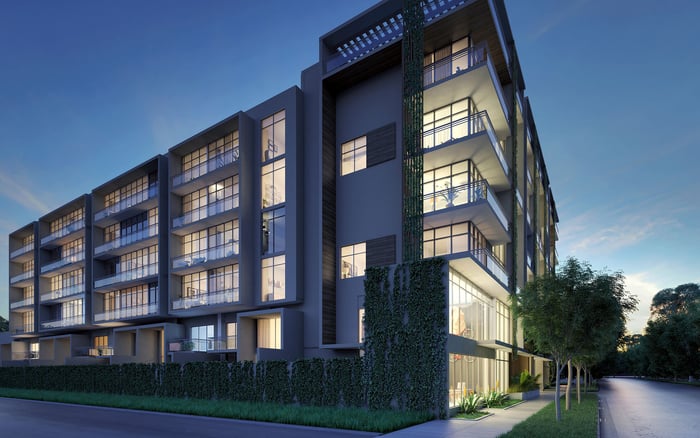
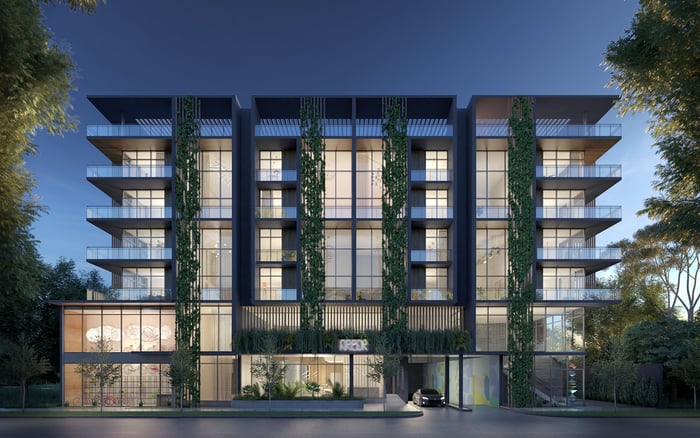
A buyer-focused examination of elevator privacy at Arbor Coconut Grove, emphasizing access control, shared circulation, guest handling, service routes and outage procedures without assuming a private-to-residence system.
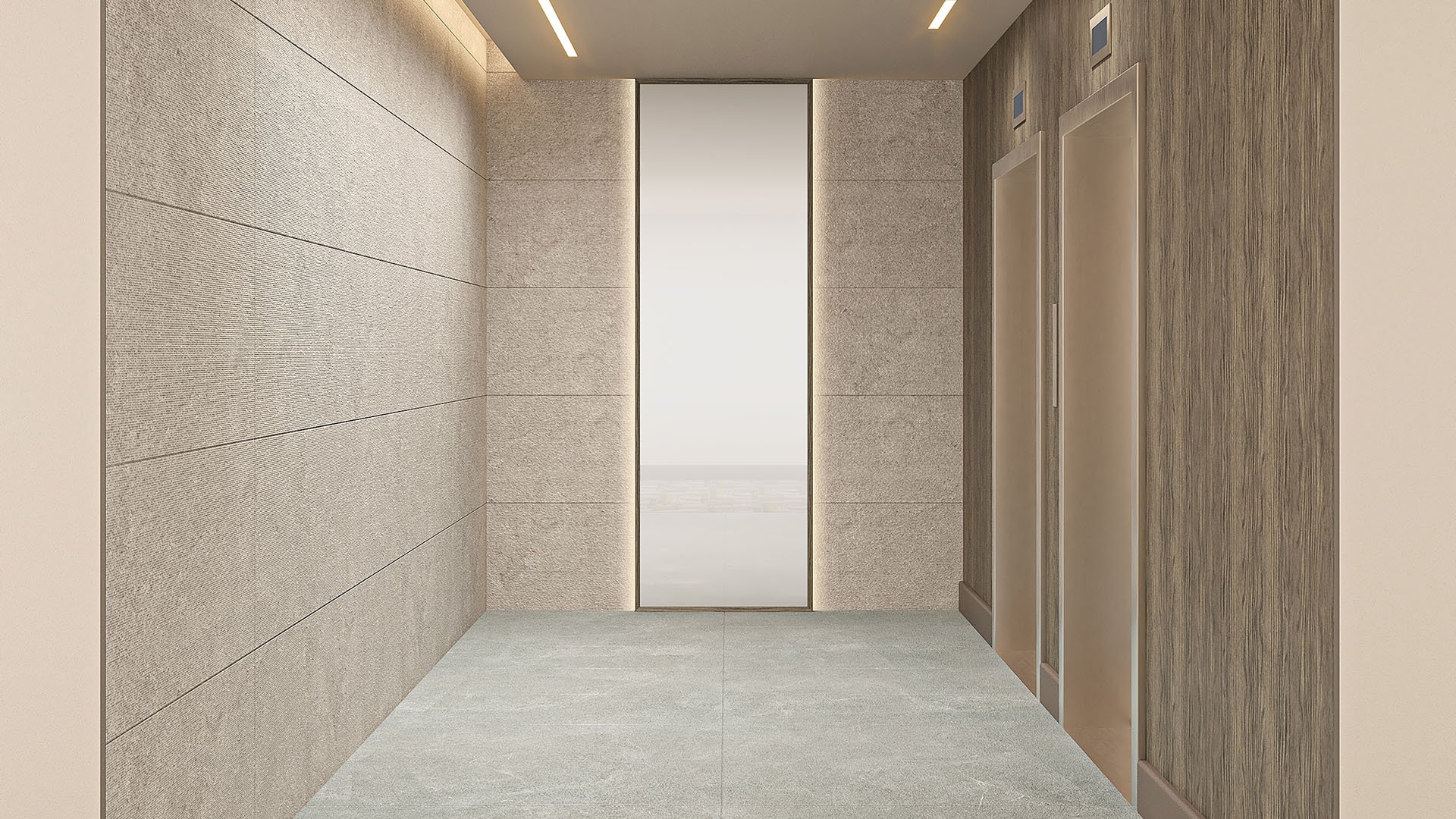
At Arbor Coconut Grove, elevator privacy should be assessed as an arrival sequence rather than treated as a stand-alone amenity. The relevant experience begins at the property entrance and continues through parking, the lobby, elevator access, any shared corridor and the residence threshold.
The supplied information does not establish private-to-residence, keyed, reserved or semi-private elevator service. Buyers should therefore avoid interpreting the presence of an elevator-or language about privacy-as confirmation of a particular access configuration.
The first task is to identify where access changes from public or shared space to resident-controlled space. Buyers can ask whether elevator credentials restrict floor selection, how visitors are authorized and whether elevator doors open to a shared hallway, a limited-access vestibule or directly into a residence.
It is also useful to observe circulation rather than discuss it only in theory. A showing can reveal sightlines from the lobby, the distance between elevator doors and residence entries, and the degree to which waiting areas expose arrivals to other occupants.
Privacy can be affected when residents, guests, deliveries, staff and moving crews rely on overlapping routes. Buyers should confirm how each group enters, receives authorization and reaches the appropriate floor. They should also ask whether delivery procedures change by time of day or type of service.
Operational rules matter because a well-designed elevator can still feel exposed if access is loosely managed. Conversely, shared circulation may feel composed when credentials, guest approval and service scheduling are handled consistently.
A useful comparison does not assume that different developments operate identical systems. Buyers reviewing Four Seasons Residences Coconut Grove or The Well Coconut Grove can apply the same questions while evaluating each property on its own documented features and procedures.
The comparison should focus on the complete journey home: vehicle arrival, entry control, lobby exposure, elevator authorization, waiting conditions, corridor visibility and residence access. This approach is more reliable than comparing isolated labels such as “private,” “exclusive” or “boutique.”
Buyers should request clear explanations of outage and emergency procedures. Relevant questions include whether elevator availability changes during a power interruption, how residents reach their homes if normal service is limited and whether access controls operate differently under emergency conditions.
Moving reservations, maintenance activity and service appointments also deserve attention. Confirming how these events are scheduled can help a buyer understand when normal circulation patterns may change.
Before relying on any privacy claim, buyers should review current project materials, governing documents and operating procedures with their own advisers. Elevator privacy is ultimately a combination of physical design, access technology and day-to-day management.
Does the supplied information confirm private elevators at Arbor Coconut Grove? No. It does not establish private-to-residence, keyed, reserved or semi-private elevator service.
What does elevator privacy mean in a condominium? It refers to how access control, waiting areas, shared corridors and residence entry work together to limit unwanted exposure.
Why should buyers inspect the entire arrival route? Privacy can change at each transition between the entrance, parking area, lobby, elevator, corridor and home.
What access-control questions should a buyer ask? Ask how residents select floors, how guests are approved and whether credentials limit access to particular areas.
Why does the elevator opening location matter? Doors may open to a shared corridor, a controlled vestibule or another configuration, each creating a different arrival experience.
How can deliveries affect privacy? Delivery authorization, waiting locations and routing can determine how often service activity overlaps with resident circulation.
Should buyers ask about service and moving procedures? Yes. Scheduled moves, maintenance and staff activity may temporarily change normal access patterns.
Why are outage procedures relevant? An interruption may alter elevator availability and the way residents move through the property, so emergency protocols should be understood in advance.
Can buyers compare elevator privacy across Coconut Grove projects? Yes, but each property should be evaluated using its own documented systems and operating procedures rather than assumed similarities.
What should a buyer review before relying on a privacy claim? Review current project materials, governing documents and operating procedures, and seek advice appropriate to the purchase.
When you're ready to tour or underwrite the options, connect with MILLION.
If branded residences are on your mind — as a home or as an allocation — we would be glad to share what we are seeing, privately.
Begin a quiet conversation