A wellness address is only as useful as its access rules and service capacity. For Wynwood buyers, the essential diligence extends from treatment-room staffing and appointment availability to membership costs, household eligibility, and guest privileges.
A beautiful wellness floor can be persuasive. Its real value, however, lies in whether it supports the life a buyer intends to lead: an early swim, a readily available treatment, or a consultation without rearranging the day. In Wynwood, assessing that promise means looking beyond the amenity inventory to capacity, practitioner access, and eligibility.
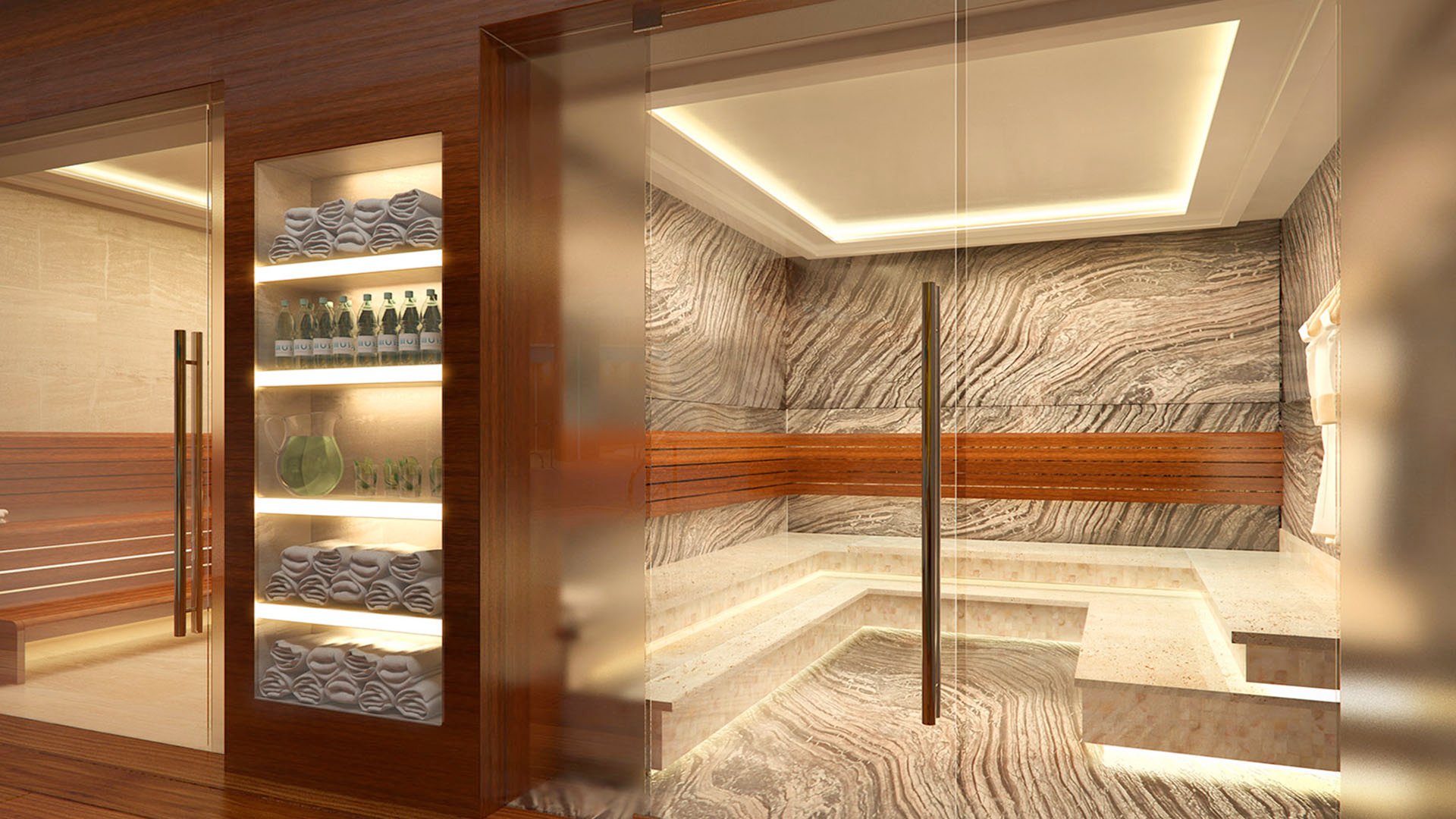
The distinction is simple: a room is not a service, and membership is not unlimited access. Steam rooms, treatment suites, and concierge-health offerings warrant separate scrutiny. Treat the facilities discussed here as marketed amenities, not confirmation of opening status, staffing, or guaranteed service delivery.
The advertised offering at Frida Kahlo Wynwood Residences includes a 5,000-square-foot Baker Health wellness center with therapeutic steam, sauna, and cold-plunge facilities, alongside one year of concierge-health membership. These are distinct propositions: physical space and a provider relationship whose benefits depend on its terms.
Advertised services include 24/7 physician access, same-day appointments, and in-residence care coordination. None should be read as an independently verified operating guarantee. Ask whether physician access means telephone, video, or in-person contact, how same-day requests are handled, and what in-residence coordination delivers.
The advertised scope also spans mental health, nutrition, hormone therapy, weight management, and diagnostics. That breadth does not establish that every consultation, test, or treatment is included. Obtain a service-by-service schedule separating membership benefits from separately billed care. Do not assume that references to owners and residents identify the same eligible population.
Square footage describes scale, not appointment availability. Request treatment-room counts, opening hours, practitioner hours by discipline, booking windows, reservation limits, and procedures for handling full capacity. Where operations are established, ask for typical appointment lead times and peak utilization. Where they are not, request the proposed operating plan rather than treating projections as performance.
Advertised amenities at Wynwood Plaza Residences include a fitness center with a separate studio, sauna, massage room, and outdoor fitness area with a rig. Its Level 9 offering includes an outdoor lap pool, hot tub, and cold plunge. The massage room represents a marketed facility, not a staffed treatment calendar or a known number of appointments.
The advertised offering at TwentySixth&2nd Wynwood Residences includes therapeutic steam, sauna, cold plunge, an outdoor infrared sauna, rain showers, spa facilities, and a technology-equipped fitness studio. Its gardens and Glass House are marketed for meditation, yoga, and intimate social events. Ask how classes and private events affect access; the amenity description does not specify occupancy limits, class frequency, or reservation priority.
Bring a sample weekly routine to the discussion. Can two household members reserve consecutive treatments? Does a yoga booking restrict independent use? What happens during maintenance? For buyers also considering The Well Bay Harbor Islands, these questions offer a consistent basis for comparison without assuming equivalent amenities or rules.
The marketed fitness and wellness center at The Highley House includes NOHRD equipment, sauna, steam room, cold plunge, and custom treatment suites. Treatment suites alone do not establish a verified practitioner roster or staffed schedule. Ask whether professionals are employed by the operator, contracted for specific hours, or available only through outside bookings.
The advertised amenities at Wynwood Haus include a 2,500-square-foot fitness center, yoga room, and sauna, but do not establish access to physicians, massage therapists, nutritionists, or physical therapists. Similarly, Wynwood 25's virtual spinning, sculpture and meditation gardens, and heated resort-style pool should not be confused with staffed wellness services.
The advertised wellness spa and fitness center at Amara Wynwood includes sauna, red-light therapy, cold plunge, and strength, cardio, and movement spaces. For any treatment offering, confirm the responsible operator, applicable practitioner licensing, appointment arrangements, and cancellation policy. For medical services, separately clarify consent, privacy, insurance, and billing. Building access is never proof of clinical coverage.
List everyone who will use the residence and request an eligibility answer for each category: owners, tenants, household members, visiting family, and other guests. Confirm whether membership attaches to the individual, household, or residence, and whether it can transfer when occupancy changes.
For the advertised year of concierge-health membership at Frida Kahlo, establish when the term begins, who must enroll, and what renewal costs apply. Do not assume that a spouse, adult child, tenant, or visitor receives the purchaser's privileges.
Separate facility eligibility from practitioner eligibility. Permission to enter a sauna does not establish entitlement to a medical consultation. Request accompanied-access requirements, guest quotas, age limits, waivers, and any separate booking priority. A buyer who entertains frequently should test those rules against an ordinary visit, not an exceptional accommodation described verbally.
If short stays are part of the intended use, first confirm whether that occupancy is permitted, then determine which amenities and services eligible occupants may use. Approval to occupy a residence is not proof of wellness membership.
Request registration requirements, identification procedures, credential issuance, and any differences between overnight occupants and daytime visitors. Confirm whether short-term occupants may book treatments directly or require an enrolled resident's involvement. Resolve these questions building by building rather than relying on neighborhood-wide assumptions.
Request the applicable declaration, association or building rules, amenity handbook, provider agreements, membership terms, fee schedule, and wellness operating budget. Ask which document governs when marketing language and operational rules differ, and have counsel review material access rights and obligations.
The financial review should distinguish building-funded facilities from optional memberships and pay-per-use services. Ask who funds staffing, maintenance, and replacement equipment, what happens if a provider changes, and whether advertised introductory benefits continue after their initial term. A precise fee schedule is more useful than a broad promise of inclusion.
Do not assign a wellness premium solely because the amenity description is extensive. Evaluate what your household can actually reserve, what it will cost, and how clearly access is documented. An unanswered operational question is not proof of a deficiency, but it should remain unresolved in your valuation.
Whether the shortlist stays in Wynwood or includes The Well Coconut Grove, apply the same standard: documented eligibility, credible capacity, identifiable providers, and transparent costs. The most meaningful luxury is not the longest menu, but access that fits your routine.
Explore South Florida residences with a more discerning perspective at MILLION.
If branded residences are on your mind — as a home or as an allocation — we would be glad to share what we are seeing, privately.
Begin a quiet conversationIt markets a 5,000-square-foot Baker Health wellness center with therapeutic steam, sauna, and cold-plunge facilities. These are advertised offerings, not confirmation of operational availability.
Eligibility requires confirmation in the membership terms. Buyers should not assume identical benefits for owners, tenants, household members, and guests.
The advertised access does not establish that every request results in an in-person visit. Confirm the communication channel, scheduling terms, and scope of in-residence care coordination.
The advertised range of services does not establish that every consultation, diagnostic test, or treatment is included. Request an itemized benefits and fee schedule.
Request room counts, practitioner hours by discipline, booking limits, and capacity procedures. For operating facilities, also ask about appointment lead times and peak utilization.
No. The marketed massage room does not establish practitioner staffing, treatment availability, or appointment capacity.
No. The suites are marketed facilities, and buyers should separately confirm the practitioner roster and treatment schedule.
Ask about occupancy limits, class frequency, reservation priority, and how private events affect access. The advertised spaces alone do not establish those access terms.
No. Confirm facility and practitioner eligibility separately, including registration, accompanied-access rules, guest quotas, age limits, and waivers.
Request the applicable declaration, building or association rules, amenity handbook, provider agreements, membership terms, fee schedule, and wellness operating budget. Have counsel review material access rights and obligations.