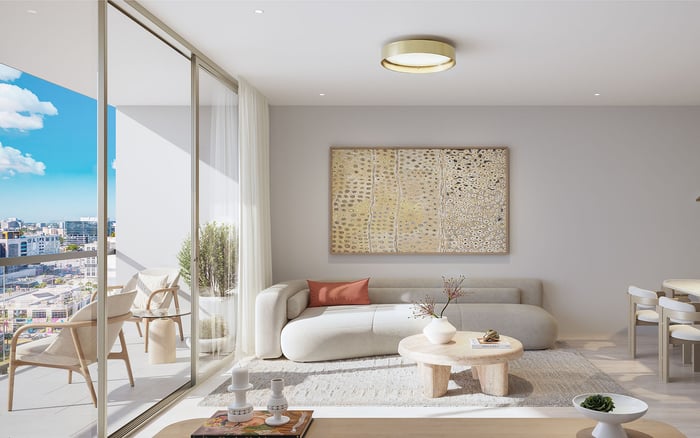
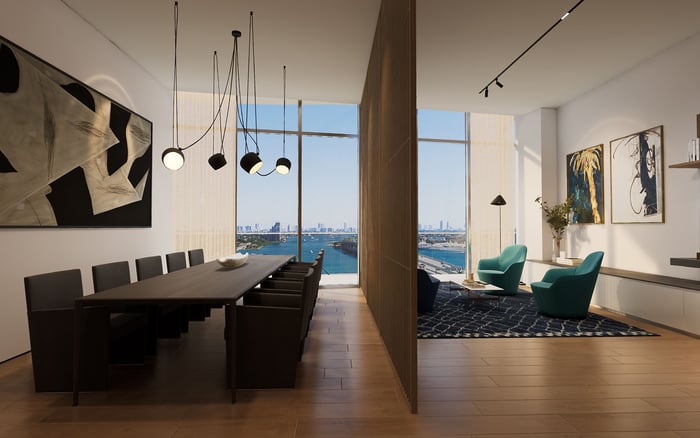
Furnished delivery is only the beginning of second-home readiness. At Frida Kahlo Wynwood Residences, buyers should distinguish documented closet specifications from the storage, inventory, and access arrangements that require separate written confirmation.
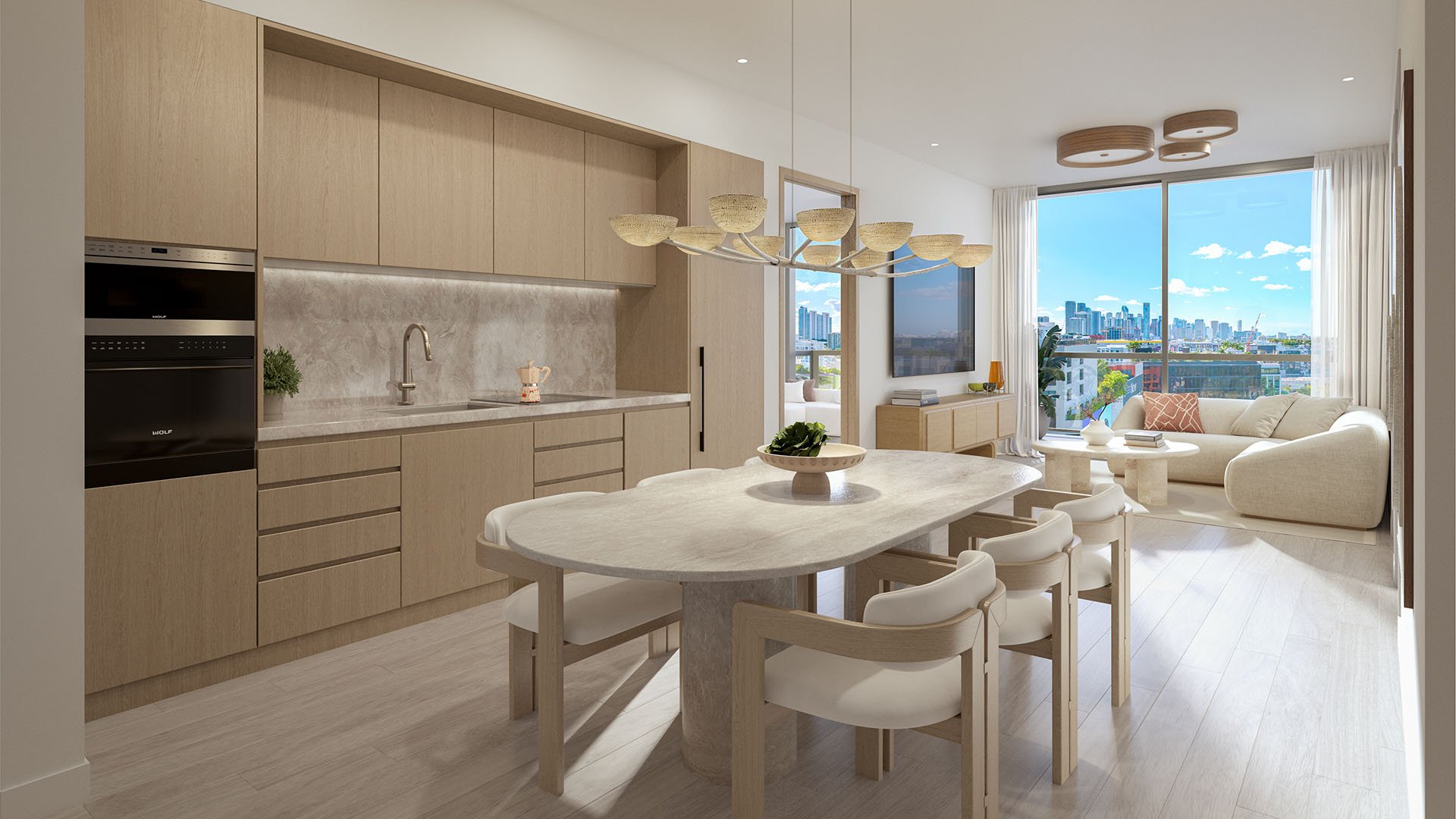
For an owner who spends months elsewhere, a residence should be as reassuring to leave as it is pleasurable to return to. At Frida Kahlo Wynwood Residences, that confidence begins with distinguishing what is specified for delivery from what must be arranged for ongoing care.
The project is marketed as a 12-story preconstruction condominium at 119 NW 29th Street, Miami, FL 33127, with 244 planned residences ranging from studios to three-bedroom homes, including penthouses. Residences are described as fully finished and furnished, with fully built-out primary-bedroom closets incorporating pre-installed shelving and drawers.
Those specifications establish a starting point, not a complete operating plan. Separate conditioned storage, item-level inventory controls, and long-absence access procedures remain unverified. That does not mean they are unavailable; it means buyers should obtain written confirmation before relying on them.
A built-out closet is an in-unit storage feature. It does not establish an entitlement to an owner locker, private storage room, or valet-storage service. Nor does it confirm temperature- or humidity-controlled space for artwork, wine, luggage, or seasonal belongings.
Begin with the selected residence, not the presentation image. Depictions of appliances, fixtures, equipment, counters, floor coverings, and other details are conceptual and do not necessarily represent what is included in every unit. Exact cabinetry, storage capacity, and furniture placement therefore warrant unit-specific confirmation.
Request the applicable plans and finish exhibits, then assess them against the possessions you intend to leave behind. Ask for usable closet dimensions, shelf clearances, drawer configurations, and confirmation of any lockable compartments. These are audit questions, not established project features.
For buyers also considering Casa Bella by B&B Italia Downtown Miami, apply the same discipline: compare written specifications for each selected residence without assuming equivalent storage or services.
The word conditioned should begin a technical conversation, not end one. If separate storage is offered, request a written description of its location, allocation, dimensions, and permitted contents. Establish whether the arrangement is included, separately purchased, licensed, or subject to ongoing fees.
Then ask what environmental protection means in practice. Is temperature controlled? Is humidity controlled independently? What operating ranges are specified, who monitors them, and what happens when conditions fall outside those ranges? A space suitable for luggage should not be assumed suitable for a collection.
The storage audit should resolve four practical matters:
Entitlement: Where is the allocation documented, and can it be reassigned or relocated?
Use: Which belongings are permitted, and what packaging or handling restrictions apply?
Access: Who can enter, during which hours, and with what identification or authorization?
Responsibility: Who insures the contents, and what loss-or-damage terms govern custody?
Have counsel review any promised entitlement and reassignment rights in the purchase agreement, condominium documents, and unit-specific exhibits. If storage is essential to the purchase, treat it as a separate decision item until its terms are clear.
Fully furnished delivery does not, by itself, establish a room-by-room closing inventory or procedures for furniture removal, replacement, and maintenance. Buyers planning extended absences should request an itemized delivery schedule and a process for reconciling it at handover.
The recommended record is practical rather than elaborate: room, item description, identifying details where applicable, condition, photograph, and delivery discrepancy. Ask who approves substitutions and how unresolved items are recorded. Retain the agreed inventory with the closing documents.
For personal belongings placed into any offered storage service, request a separate intake register. Photographs should correspond to identifiable items or containers, accompanied by a record of who accepted custody and where the property was placed. Ask whether movement between locations is documented.
Property release requires its own controls. Identify authorized recipients, the approval required for each collection, and the record returned to the owner afterward. A vendor authorized to enter the residence should not automatically be treated as authorized to remove property. These are proposed safeguards to confirm, not verified amenities.
A long-absence plan should distinguish routine visits, scheduled vendor work, and emergency entry. For each, ask who may authorize access, how identity is checked, whether accompaniment is required, and what notification the owner receives.
Define permissions narrowly. Approval to inspect an appliance need not extend to opening private storage or collecting furnishings. Ask whether authorization can be limited by date, task, and recipient, and how a representative's credentials can be revoked when responsibilities change.
Emergency procedures deserve equal scrutiny. Request the circumstances under which entry may occur without advance approval, the owner-notification sequence, and the information provided afterward. A useful post-entry record would identify who entered, when, why, and what action was taken.
If ORA by Casa Tua Brickell is also on your shortlist, use the same access questionnaire in that review. The purpose is to compare written procedures, not infer operating arrangements from a project's identity.
Integrated smart-building systems for residential management are advertised for Frida Kahlo Wynwood Residences. That broad description does not establish remote leak detection, humidity alerts, temperature monitoring, or owner-access logs.
Ask for a feature-by-feature schedule identifying what is included, what requires activation, and who receives any available alerts. Distinguish the ability to observe a condition from the obligation to respond. Even an available notification feature would not, on its own, establish an inspection or repair service.
Before an extended departure, request a written allocation of responsibilities covering any agreed inspections, maintenance visits, escalation contacts, and owner updates. Confirm which party is authorized to provide each service. A sales conversation is no substitute for an operating agreement.
If the ownership plan includes rental income, obtain the condominium declaration, rental rules, and association budget before committing on the basis of income assumptions. Review how any permitted occupancy would interact with personal-property storage, access permissions, and furniture care. Do not assume an owner's private arrangements automatically extend to other occupants.
For the final audit, classify each essential requirement as documented, awaiting written confirmation, or requiring a separate arrangement. Oral assurances should not be treated as controlling developer representations. Keep the applicable agreements and unit-specific exhibits together, with responsibility for each task clearly assigned.
The purchase decision need not depend on every conceivable convenience. It should depend on knowing which conveniences are included, which require additional arrangements, and who remains accountable while you are away. That is the difference between a furnished residence and an ownership plan ready for a long absence.
For a discreet perspective on South Florida ownership planning, explore MILLION.
If branded residences are on your mind — as a home or as an allocation — we would be glad to share what we are seeing, privately.
Begin a quiet conversationThe project is marketed at 119 NW 29th Street, Miami, FL 33127, in Wynwood. It is described as a 12-story preconstruction condominium.
The planned development includes 244 residences, ranging from studios through three-bedroom homes, including penthouses.
Residences are described as fully finished and furnished. That delivery specification does not establish an absentee-owner management service.
The specified primary-bedroom closets are fully built out with pre-installed shelving and drawers. Buyers should confirm the dimensions and configuration applicable to their selected residence.
Separate temperature- or humidity-controlled owner storage remains unverified. Built-out bedroom closets do not establish that entitlement, but this does not mean separate storage is unavailable.
Request allocation, dimensions, permitted contents, environmental specifications, access hours, insurance responsibility, and loss-or-damage terms. Confirm any reassignment rights in the applicable purchase and condominium documents.
Furnished delivery alone does not establish a room-by-room closing inventory. Ask for an itemized schedule, condition photographs, and a process for resolving discrepancies.
Request separate procedures for entering the residence and releasing stored belongings. Authorization for a vendor visit should not automatically be treated as permission to remove property.
The general smart-building description does not establish those specific capabilities. Request written confirmation of available monitoring, notifications, and response responsibilities.
Obtain the condominium declaration, rental rules, and association budget before committing on income assumptions. Review how any permitted occupancy would affect belongings, access, and furniture care.