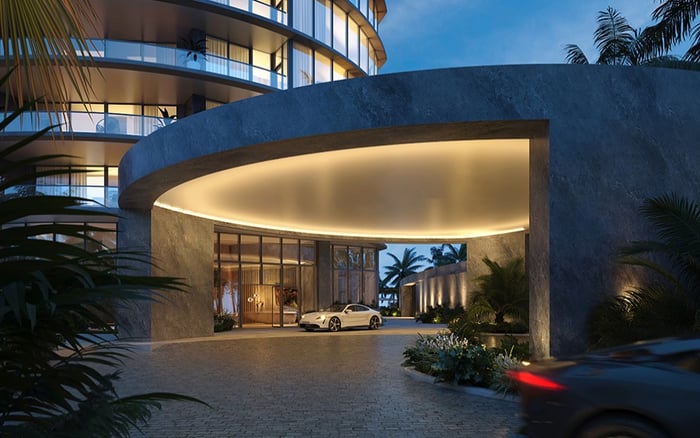
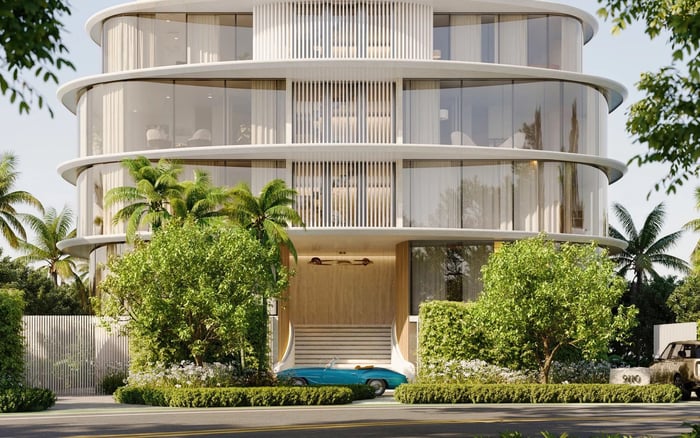
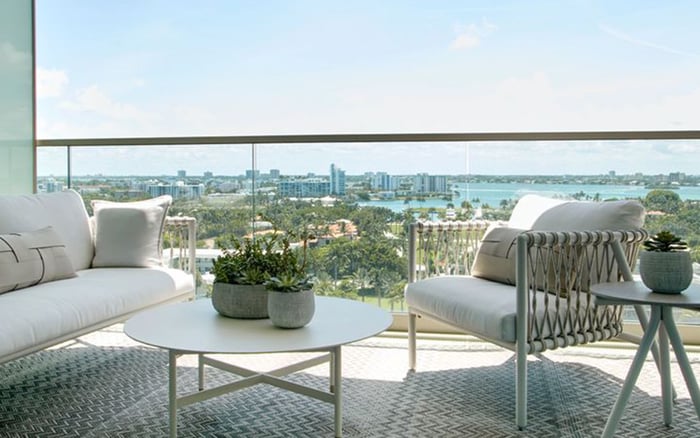
For collectors buying in Bal Harbour, a residence’s suitability extends beyond its walls and views. Map the delivery route, verify freight access, distinguish building consent from municipal permits, and confirm environmental protection and insurance before scheduling an installation.
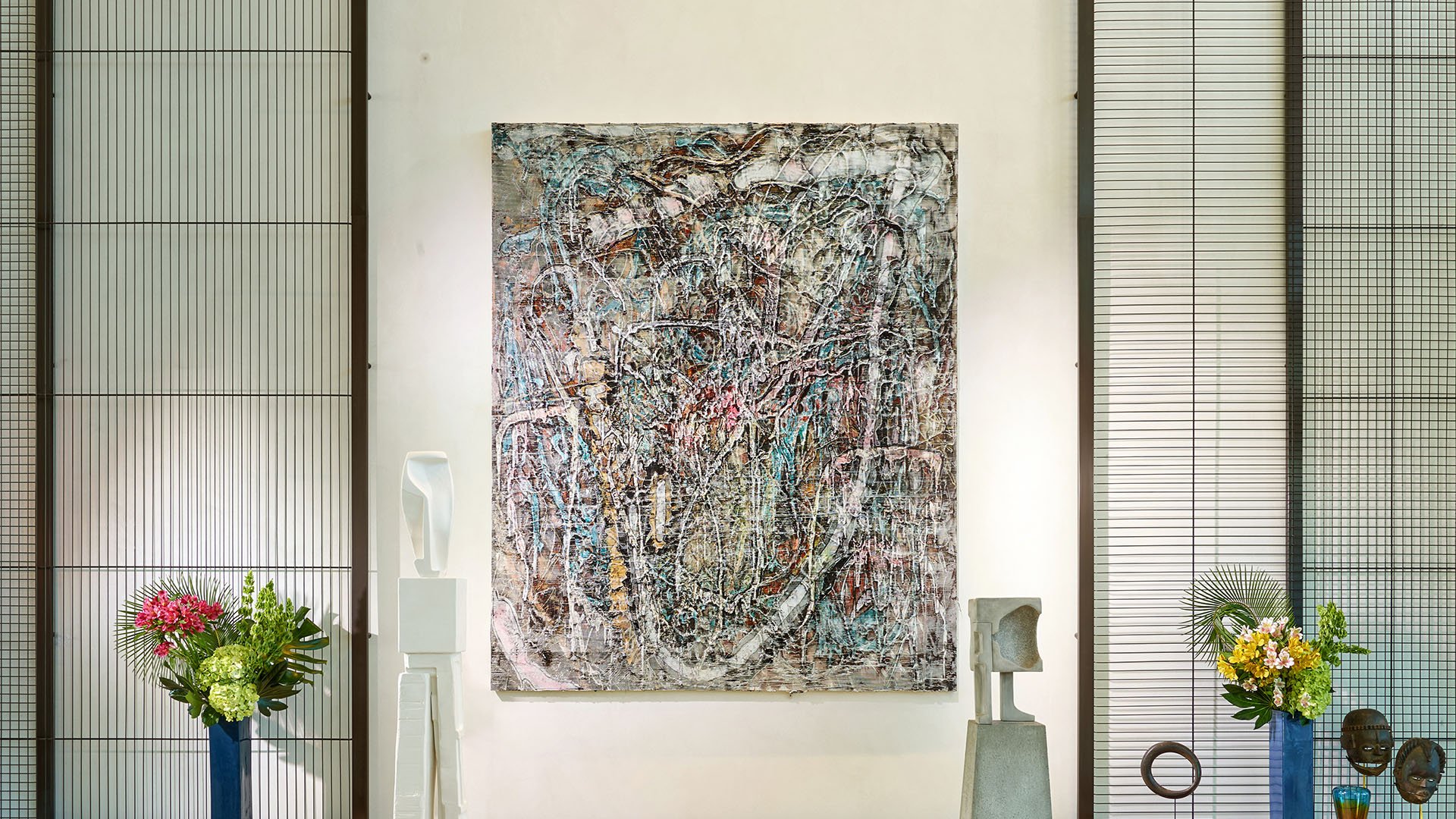
A collection deserves a residence that works as beautifully behind the scenes as it does from the terrace. In Bal Harbour, that means assessing more than wall space and sightlines. Before an acquisition or move, understand how each significant work will reach the apartment, where it can wait safely, and which approvals its installation may require.
The essential distinction is between a home that can display art and a building that can accommodate its arrival. Freight reservations, delivery routes, stable environmental conditions, and installation approvals are separate questions. The appeal of an address answers none of them.
For buyers considering Oceana Bal Harbour, the next step is to request building-specific documentation rather than infer logistics from the residence’s presentation. Apply the same discipline to every property under consideration: treat art handling as acquisition due diligence, not a move-in detail.
Begin with the packed object. Ask the art handler to document crate dimensions and weight, then assess the proposed route with management. Trace the full path from the truck’s permitted stopping point through the loading entrance, service corridors, elevator, apartment doorway, and final installation area.
Request measurements for door openings, elevator interiors, and turns along that route, along with the elevator’s capacity. A generous room does not establish that its intended artwork can reach it. Ask the handler whether any turn, threshold, or unpacking stage requires a different plan.
Confirm freight arrangements directly with management. Ask about delivery hours, truck restrictions, reservation procedures, deposits, contractor-insurance wording, and protection of shared surfaces. These are verification questions, not assumed requirements at every Bal Harbour condominium.
For a purchase at Rivage Bal Harbour, distinguish the logistics documentation available during due diligence from the procedures that will govern delivery. Request written confirmation before instructing a carrier to dispatch. What matters is an agreed plan for your shipment, not a general assurance that art deliveries can be accommodated.
Condominium approval and Village permitting serve different purposes. Management’s acceptance of a contractor or delivery date does not establish that construction work is authorized. Equally, a municipal permit does not reserve an elevator or demonstrate association consent.
Bal Harbour requires permits for most construction work; projects not specifically listed as exempt require a permit. Art installations involving structural reinforcement or electrical alterations should therefore be screened with the Building Department, not assumed exempt because the finished object is decorative.
Interior work goes directly to the Building Department. Review may encompass structural, electrical, mechanical, plumbing, zoning, public works, and other code requirements. Describe the actual scope-mounting hardware, reinforcement, lighting changes, and associated alterations-rather than simply labeling the project an art installation.
Exterior changes follow a separate sequence. Windows, doors, signs, additions, paint, and fences require Architectural Review Board approval before Building Department review. If an installation affects an exterior element, assess that requirement early. The resulting Certificate of Appropriateness must accompany the permit materials forwarded to the Building Official.
Build one installation file with separate records for management consent, municipal review, contractor documentation, and the delivery reservation. Identify who is responsible for each item and what must be completed before the next step can proceed.
Permit applications are to be submitted in person at Village Hall, 655 96th Street. Submission materials include Village and Miami-Dade County application forms, one set of paper drawings, and one electronic set following County file-naming requirements. Confirm the applicable submission requirements before preparing the package.
The Village’s public permit portal allows status tracking, access to reviewer comments, and online inspection scheduling. Some projects may also require outside-agency review, including environmental-resource management or fire authorities. Ask the project team to resolve applicable comments before setting an installation date.
Where permit review identifies deferred-submittal items, obtain the Building Official’s approval of the relevant documents before installing those items. A pending detail is not permission to proceed.
Heat and humidity pose risks to sensitive materials, including paper, canvas, wood, photographs, textiles, and mixed-media works. Environmental planning should cover the entire journey, not only the room where the piece will eventually hang.
Ask the carrier and conservator to establish suitable temperature and humidity specifications for the particular work. The phrase temperature-controlled does not, by itself, establish humidity control. Clarify the conditions provided during transport, temporary storage, delivery handling, and any waiting period before installation.
If the residence cannot accept immediate delivery, arrange secured, climate-controlled staging rather than improvise on arrival. Ask how crates are identified by piece, owner, and destination; how access is controlled; and how the collection will be released to the installation team.
For buyers also considering Arte Surfside in Surfside, the same verification framework applies. Municipal requirements must be checked in the relevant jurisdiction, while freight access and environmental arrangements must be confirmed for the specific building and shipment. Bal Harbour approvals should not be treated as a neighboring municipality’s rules.
The installation plan should connect the artwork, its support, the room’s design, and the approved scope of work. Ask the installer to identify any reinforcement or electrical alterations before committing to finishes or scheduling delivery. This gives the design team a defined basis for coordination with management and the Building Department.
Insurance deserves equally precise attention. Carrier liability is not equivalent to fine-art insurance, and liability limits may fall substantially below an artwork’s market value. Confirm coverage across transportation, temporary storage, delivery handling, installation, and the final residence. Ask the insurer to address the planned sequence and any intervening storage period.
Before dispatch, conduct a final readiness check: the route has been assessed, freight access confirmed, applicable approvals secured, environmental arrangements agreed, and coverage reviewed. If one element remains unresolved, use the staging plan rather than force delivery into an unprepared setting.
For a collector, this is part of choosing the right home. The view creates the first impression; a carefully coordinated arrival allows the collection to become part of daily life without avoidable compromise.
Explore South Florida residences with a more considered buyer’s perspective at MILLION.
If branded residences are on your mind — as a home or as an allocation — we would be glad to share what we are seeing, privately.
Begin a quiet conversationAssess the complete crate route, freight arrangements, installation scope, environmental protection, and insurance. Request building-specific confirmation rather than assuming the residence can accommodate a particular collection.
Ask management for elevator dimensions and capacity, door clearances, delivery hours, truck restrictions, and reservation procedures. Confirm any deposits and contractor-insurance wording directly with the building.
No. Delivery arrangements, condominium consent, and municipal permitting are separate matters and should each be confirmed as applicable.
Structural reinforcement or electrical alterations should be screened with the Building Department rather than assumed exempt. Bal Harbour requires a permit for projects not specifically listed as exempt.
Assess Architectural Review Board requirements before proceeding to Building Department review. Exterior changes require that approval, with a Certificate of Appropriateness accompanying the permit materials.
The Village’s published guidance calls for in-person submission at Village Hall, 655 96th Street. Listed materials include Village and County forms, paper drawings, and an electronic drawing set.
Where permit review identifies deferred-submittal items, the relevant documents must be approved by the Building Official before those items are installed.
No. Confirm actual temperature and humidity specifications with the carrier and conservator for the particular artwork.
Arrange secured, climate-controlled staging before dispatch. Confirm inventory identification, access controls, and the handoff to the installation team.
No, carrier liability limits may fall substantially below an artwork’s market value. Confirm fine-art coverage across transportation, temporary storage, handling, installation, and the final residence.