At Arbor Coconut Grove, finish decisions deserve the same discipline as the floor plan. This buyer-focused guide examines how to evaluate design packages, manage customization decisions, protect execution, and preserve broad resale appeal without assuming project-specific options that must be confirmed in the purchase documents.
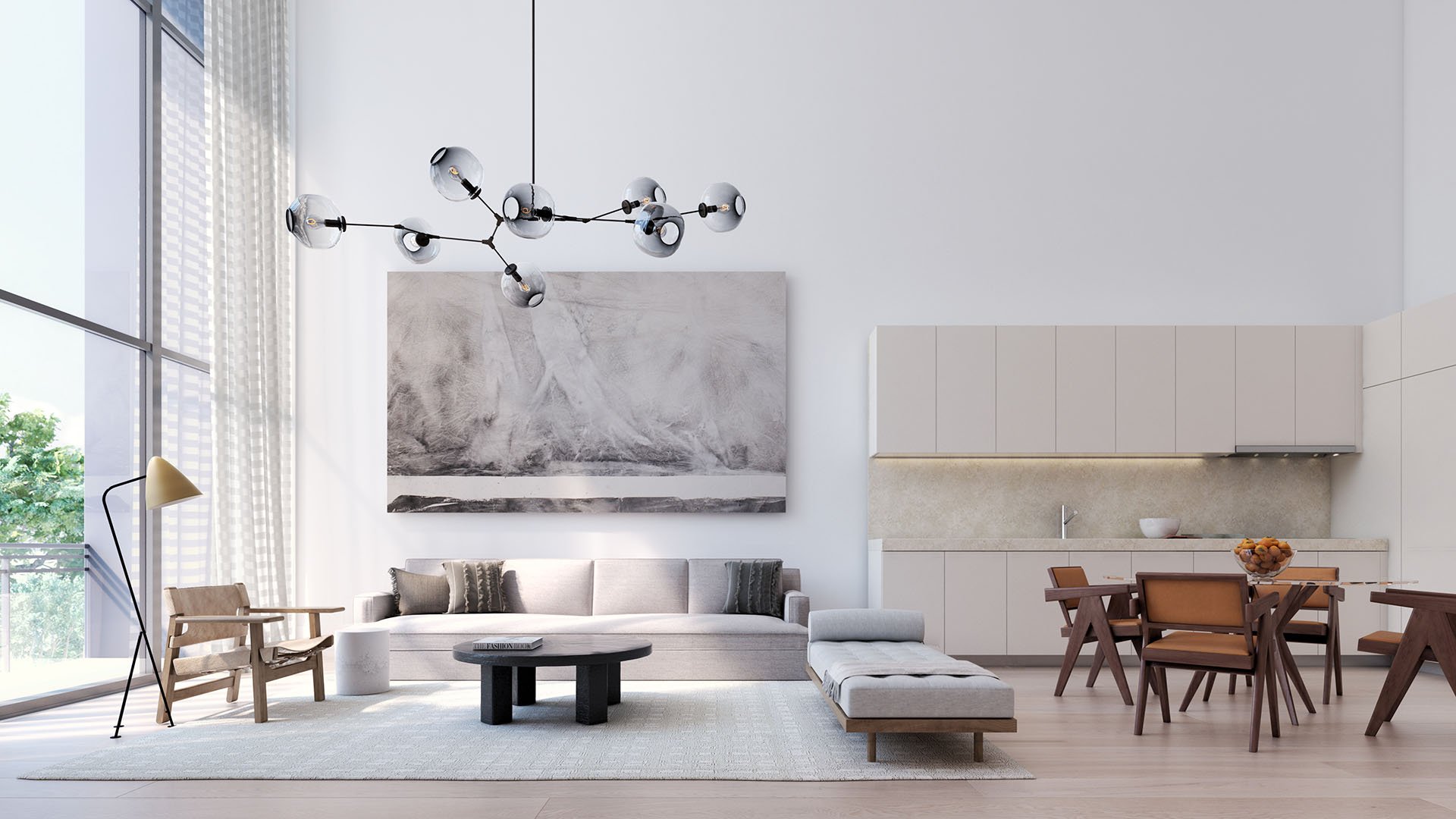
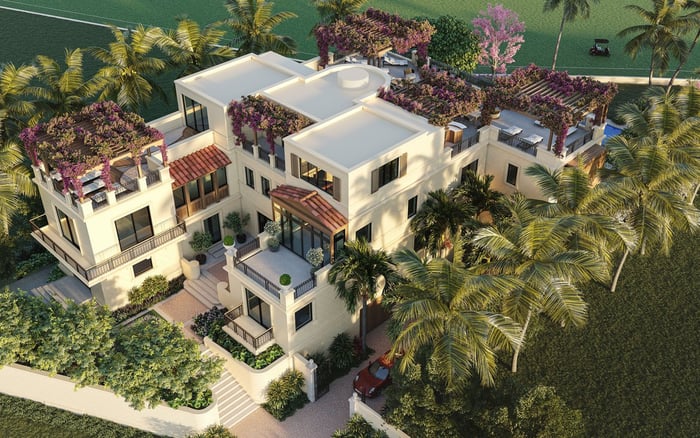
Arbor Coconut Grove is conceived as a boutique, low-rise residential condominium in Coconut Grove. Its garden-inspired identity contrasts with the large glass towers associated with Brickell and Edgewater, while its emphasis on greenery, privacy, neighborhood integration, and balconies or terraces gives the residences a distinctly domestic character.
That context matters when selecting interiors. In a large tower, repeated plans and standardized finishes can make one residence feel interchangeable with the next. At Arbor, the boutique scale may make individual homes-and their interior choices-more distinguishable. Materials, color temperature, millwork, lighting, and the transition to outdoor space can therefore shape not only personal enjoyment, but also how clearly a future buyer understands the home.
Package names, inclusions, upgrade paths, and customization procedures should be confirmed in the governing purchase and design documents. A polished presentation may communicate an aesthetic direction, but buyers need a room-by-room record of what is included, what costs extra, and what remains subject to substitution or approval.
Request written identification of flooring, cabinetry, counters, plumbing fixtures, appliances, hardware, and wall finishes. Clarify whether displayed samples represent exact materials or broader design intent. Apply the same discipline to dimensions, installation patterns, grout, edge profiles, interior doors, and electrical locations; seemingly minor details can materially alter the finished composition.
For a pre-construction purchase, the most useful document is often a decision matrix pairing every selection with its deadline, price, approval status, and responsible party. It draws a practical line between confirmed scope and aspiration.
A coordinated base package offers an important advantage: visual consistency. When floors, cabinets, counters, and hardware are conceived as a unified palette, the result is easier to execute and often easier for future buyers to understand. Standardization can also reduce the number of interdependent decisions requiring review.
Customization is most persuasive when it addresses a genuine lifestyle need. Storage tailored to family routines, lighting aligned with artwork, or durable materials suited to frequent indoor-outdoor living may add utility without overwhelming the architectural concept. By contrast, highly personal color combinations or elaborate fixed features can narrow the future audience.
The objective is not neutrality at any cost. It is coherence. Arbor’s positioning combines luxury finishes with the warmth of a neighborhood-oriented home, so the strongest interiors are likely to feel considered rather than theatrical.
Customization does not automatically cause delays, and no specific timing effect should be assumed. It does, however, create more decision points. A requested change may require design review, pricing, documentation, procurement coordination, installation sequencing, or another form of contractual approval.
Buyers should establish which selections can be changed, when each choice becomes final, and what happens if a material is unavailable. They should also determine whether an upgrade affects finishes alone or extends to building systems, electrical layouts, plumbing locations, waterproofing, or other coordinated work. The latter category can be more complex because a single decision may depend on several trades.
A conservative approach prioritizes foundational elements. Flooring, built-ins, kitchen composition, bathroom surfaces, and electrical planning are generally more disruptive to revisit than decorative lighting, loose furniture, or paint. Maintaining a contingency plan for every critical material can also help preserve the intended mood if substitutions arise.
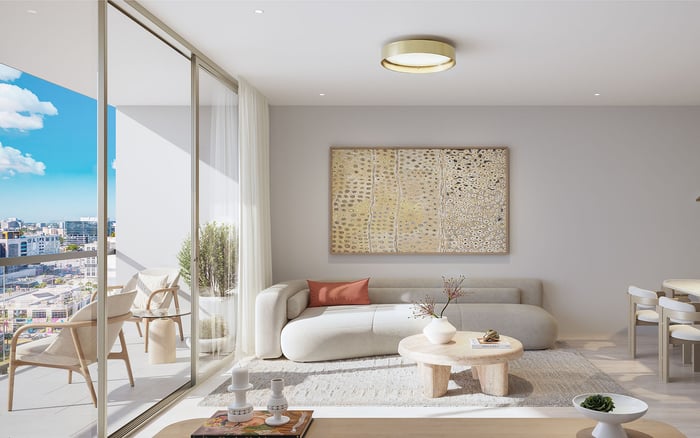
Arbor’s architectural identity emphasizes its connection to Coconut Grove’s lush streetscape and indoor-outdoor way of living. Interior selections should reinforce that premise. Natural tones, restrained transitions, and materials that read well in changing daylight can help terraces and living areas feel connected rather than visually separate.
Buyers comparing the project with Mr. C Tigertail Coconut Grove or Park Grove Coconut Grove may encounter different architectural expressions, amenity narratives, and interior languages. The relevant question is not which palette appears most fashionable in isolation, but which feels integral to the residence, its light, its relationship with the outdoors, and the buyer’s intended pattern of use.
Resale value cannot be reduced to a single finish choice, and no premium should be presumed. A future purchaser will assess the entire proposition: layout, condition, outlook, privacy, outdoor space, and how convincingly the interior supports the home.
At Arbor, prospective buyers may compare a residence not only with other condominiums, but also with renovated townhomes and single-family homes. That competitive set elevates the importance of interior character and finish quality. A coherent kitchen, useful storage, durable surfaces, and well-resolved lighting can help a condominium convey the comfort of a neighborhood home.
Before approving a highly specific alteration, consider whether it can be reversed cleanly. Distinctive furniture and art introduce personality without permanently defining the asset. Expensive fixed work warrants a higher threshold: it should improve function, respect the architecture, and remain legible to buyers beyond the original owner.
Treat the design appointment as a commercial checkpoint as well as a creative exercise. Review the total cost, payment schedule, cancellation rules, substitution language, warranty implications, and responsibility for installation or later correction. Keep approved drawings, finish schedules, samples, invoices, and correspondence together.
It is also useful to compare Arbor’s neighborhood-oriented proposition with another emerging Grove concept such as The Well Coconut Grove. Such comparisons can clarify personal priorities, but should not encourage imitation. The more durable strategy is to choose an interior that belongs to its architecture and serves the end-user lifestyle associated with village access, parks, and marinas.
Does Arbor Coconut Grove have published finish-package options? Buyers should confirm current package names, inclusions, upgrade choices, and availability in the applicable design and purchase documents.
Is a standard package always safer for timing? Not necessarily, but fewer deviations can mean fewer decisions and approvals to coordinate. Contract terms and the project schedule remain controlling.
Can customization delay completion? It can introduce additional reviews, procurement needs, or trade coordination. Buyers should obtain written deadlines and approval status before relying on any requested change.
Which selections should be prioritized first? Prioritize foundational items that are difficult to change later, including flooring, kitchens, bathrooms, built-ins, and electrical planning.
Do custom finishes guarantee a Resale premium? No. Future appeal depends on the complete residence, market context, condition, and whether the choices remain useful and coherent.
How personal should the palette be? Personalize through reversible layers where possible, while keeping permanent materials aligned with the architecture and broadly understandable.
Why does Boutique scale matter? In a smaller residential setting, individual interiors may be more distinguishable, making quality, consistency, and maintenance especially visible.
Should terrace design influence interior selections? Yes. Arbor’s indoor-outdoor character makes material transitions, daylight response, and visual continuity important considerations.
What records should a buyer retain? Keep approved drawings, finish schedules, change orders, invoices, product information, warranties, and written substitution approvals.
Who is most likely to value Arbor’s positioning? Its neighborhood focus is particularly relevant to end-users and families who value access to Coconut Grove’s village center, parks, and marinas.
For a confidential assessment and a building-by-building shortlist, connect with MILLION.
If branded residences are on your mind — as a home or as an allocation — we would be glad to share what we are seeing, privately.
Begin a quiet conversation