A buyer-focused review of the domestic-water questions to resolve at Frida Kahlo Wynwood Residences, from pump redundancy and upper-floor pressure to commissioning evidence and future maintenance records.
At Frida Kahlo Wynwood Residences, the domestic-water question is not whether a defect has been demonstrated. It is what a purchaser should establish before relying on a promise of uninterrupted comfort. For an upper-floor residence, that means asking how the proposed system will maintain water service during peak demand, equipment maintenance, and an electrical interruption.
In January 2026, the development was presented as a proposed condominium at 119 NW 29th Street in Wynwood, comprising buildings of eight and 14 stories. Completion targets have included both 2028 and 2029. Neither confirms delivery; buyers should request the current contractual schedule.
A verified pump configuration and upper-floor pressure performance have not been established for this review. That is an evidence gap, not proof of a defective system. A disciplined review should maintain that distinction throughout negotiations.
A proposed building calls for a different document request than an operating condominium. Begin by asking which plumbing documents are conceptual, which have been approved, and which remain subject to revision. Request approved plumbing risers, domestic-water schematics, and equipment schedules when available, with final as-built drawings to follow when appropriate.
Ask the development team to identify the document version supporting each response. A statement that a system has backup capacity is more useful when paired with the relevant design and a clear explanation of the operating condition it covers.
The immediate objective is not to demand years of records before a building operates. It is to establish a sequence: design commitments first, installation and inspection evidence later, and commissioning results before relying on completed-system performance. Have counsel review how that sequence relates to the purchase agreement and closing obligations.
The developers are Property Markets Group and LNDMRK Development, with building designs by Carlos Ott and CUBE 3. Those credentials provide project context, but they do not answer a purchaser's specific engineering questions about domestic water.
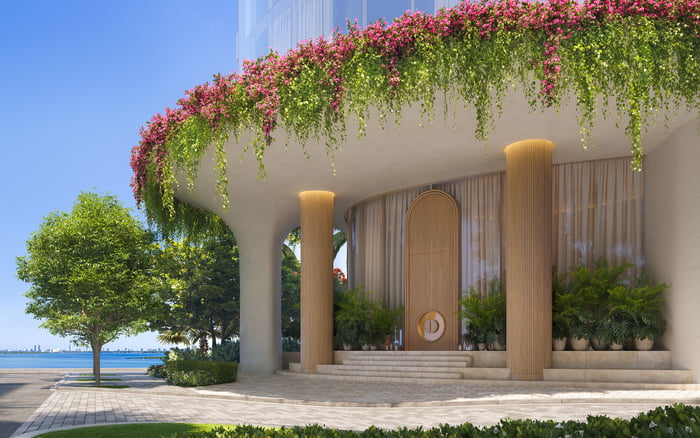
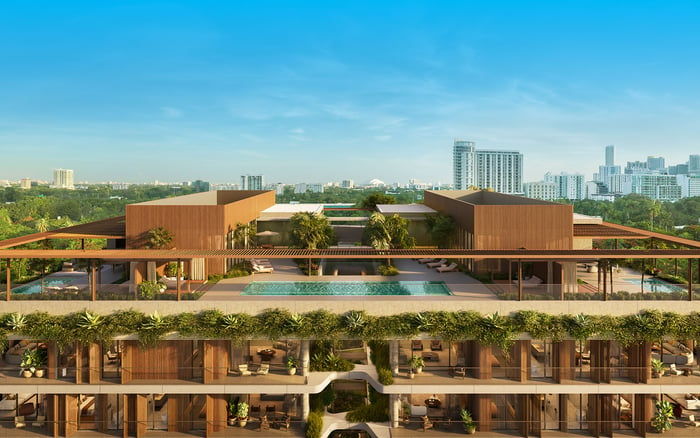
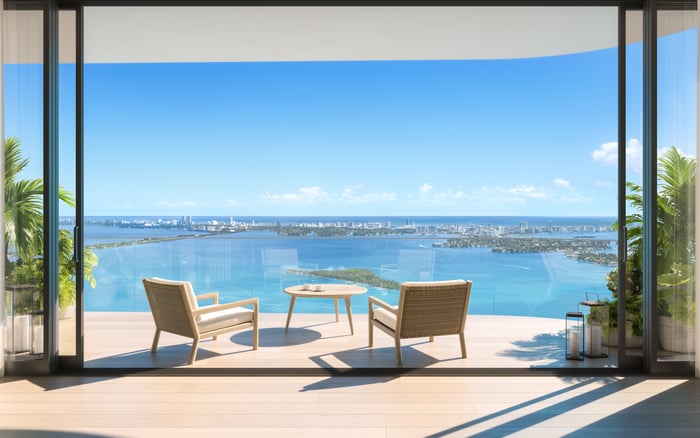
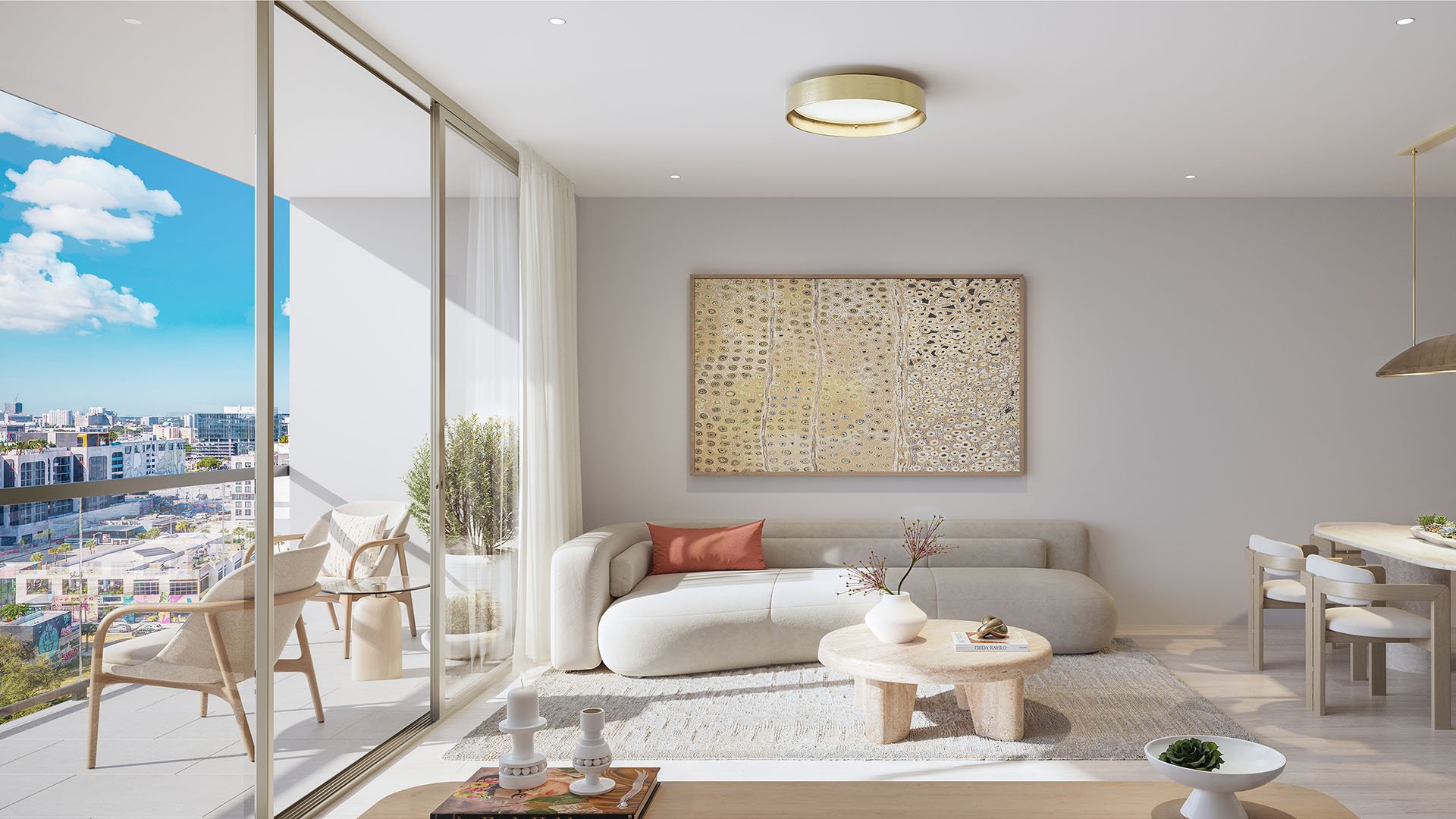
The project drawings are conceptual and for reference. That qualification expressly extends to depicted plumbing fixtures and equipment, while specifications and plans may change. Depicted items are not necessarily included in every unit.
Treat a beautifully appointed bathroom as a design proposition, not evidence of pressure at its highest fixture. Ask for the specifications applicable to the residence under consideration and written clarification of any differences among promotional depictions, contractual inclusions, and the approved plumbing design. Keep aesthetic selection and engineering verification separate.
The central redundancy request should be precise: can the domestic-water system meet its design demand with its largest pump offline? Request the engineer's written explanation and supporting calculations rather than relying on a pump count or a general reference to backup equipment.
Have the reviewing engineer examine the proposed arrangement against the equipment schedule and schematics. Ask what happens during planned service, an unexpected pump failure, and a failure to change over automatically. These are recommended review scenarios, not documented conditions at this project.
Also ask how the two buildings are intended to be served. The proposed eight- and 14-story configuration does not establish whether they share equipment, have separate systems, or use a particular pressure-zone arrangement.
For purchasers also considering Villa Miami, the same document-based questions provide a consistent basis for comparison without implying that either property's mechanical design has been verified here.
For a higher-floor purchase, request the engineer's minimum residual-pressure criterion at the highest fixture under peak demand. Ask for supporting hydraulic calculations, the pressure-zone layout, and an explanation of any storage-tank arrangement. No numerical pressure standard for this project has been established for this review.
Frame the question around the intended residence and its design conditions, not a general assurance of satisfactory building pressure. Ask the engineer how the criterion will be checked during commissioning and what documentation the purchaser can receive.
If your search extends to Brickell and The Residences at 1428 Brickell, carry the same performance questions into that review. The aim is to compare the specificity of answers, not to suggest that the buildings have equivalent systems or operating results.
Domestic-water diligence should also address electrical interruption. Ask whether both pumps and controls will have emergency power, and request written confirmation of what the proposed arrangement is intended to support.
Seek a functional-test plan covering automatic changeover, alarms, generator transfer, and operation with one pump disabled. Once testing has occurred, request the available results and documentation of the resolution of any outstanding items. Do not treat a proposed test as a completed test.
Have your engineer distinguish the promised operating condition from the evidence demonstrating it. These requests do not establish that emergency power, automatic changeover, or any particular alarm configuration is included at Frida Kahlo Wynwood Residences. They identify questions that need project-specific answers before a buyer relies on outage resilience.
At the preconstruction stage, request the proposed pump-maintenance plan and identify who will hold the records once operations begin. Ask how work orders, alarms, equipment failures, replacements, and standby-pump downtime will be recorded and made available for an appropriate review.
Once sufficient operating history exists, seek 12-24 months of those records. If that history is not yet available, request the period that does exist and establish when a fuller review could occur. A future maintenance plan and an actual maintenance history answer different questions.
No verified pump-maintenance history, hydraulic calculations, commissioning results, or completed plumbing inspection records have been established for this review. That does not mean undisclosed records do not exist. Buyers should request them directly and assess them with qualified advisers.
Before closing, assemble the available approved plans, permits, inspection records, occupancy documentation, and commissioning evidence. Ask the engineer to reconcile material changes between the approved design and final as-builts, particularly where those changes affect a performance promise important to your purchase.
Have counsel review the written contractual treatment of any promised pressure or redundancy performance. Clarify which obligations are binding, what evidence will demonstrate delivery, and how unresolved questions will be handled. Do not assume promotional language provides the same protection as an express contractual commitment.
The appropriate conclusion is conditional rather than alarmist: proceed with an understanding of what is designed, what has been tested, and what remains to be documented.
For a discreet perspective on South Florida residential decisions, connect with MILLION.
If branded residences are on your mind — as a home or as an allocation — we would be glad to share what we are seeing, privately.
Begin a quiet conversationIts January 2026 status was a proposed condominium development, not a completed building. Buyers should request current construction and occupancy documentation.
The proposed address is 119 NW 29th Street in Miami's Wynwood neighborhood.
The proposed development comprises two buildings of eight and 14 stories. Those heights alone do not establish the domestic-water system arrangement.
Completion targets have included both 2028 and 2029. Buyers should request the current contractual schedule rather than treat either projection as confirmed delivery.
This review does not establish a domestic-water defect. Pump configuration and upper-floor pressure performance remain unverified here, which is an evidence gap rather than proof of failure.
Ask whether the system can meet design demand with its largest pump offline. Request the engineer's written explanation and supporting design documents.
Request the engineer's minimum residual-pressure criterion at the highest fixture under peak demand, supporting calculations, and the pressure-zone layout. Ask how that performance will be verified during commissioning.
No; ask whether pumps and controls have emergency power. Request the relevant functional-test plan and completed results when available.
During preconstruction, request the proposed maintenance plan and record custodian. Once sufficient history exists, seek 12–24 months of work orders, failures, alarms, replacements, and standby-pump downtime.
No; conceptual plumbing depictions do not establish installed performance. Buyers should obtain applicable specifications and written contractual treatment of any performance promises.