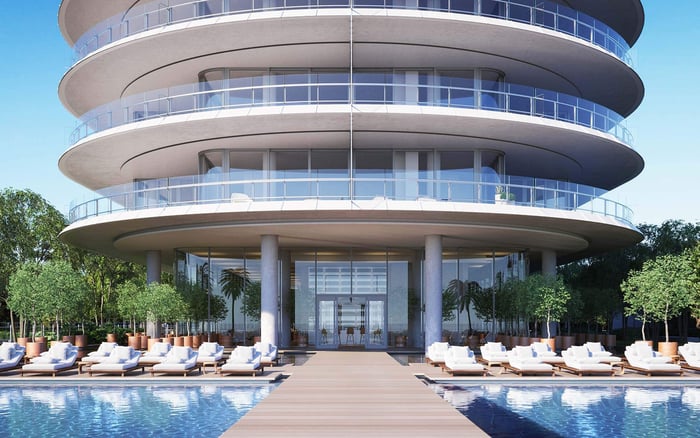
A buyer-focused guide to Delano’s planned Downtown Miami residences, explaining the distinction between private ownership and hotel hospitality, the advertised services, and the contractual details that deserve close review.
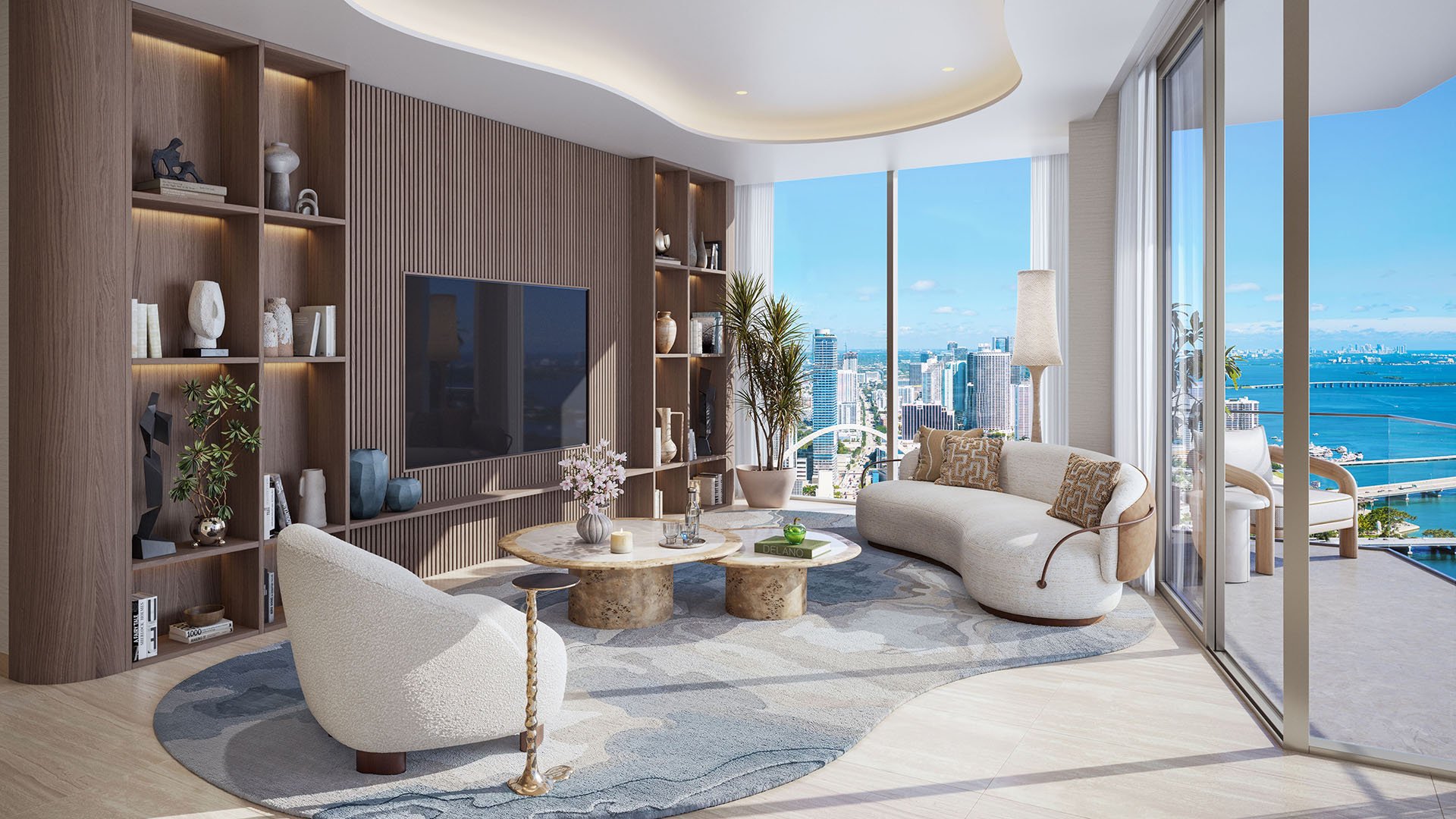
The essential distinction at Delano Residences & Hotel Miami is geographic and contractual. This planned Downtown Miami development has an advertised address of 400 Biscayne Boulevard, Miami, FL 33132. It is separate from the Delano Miami Beach hotel-not a residential wing of that South Beach property.
The proposition is private residential ownership within a Delano-branded hospitality environment. For buyers, the attraction is clear: a home with the potential convenience of reception, concierge assistance and on-demand care. A hospitality name alone, however, does not establish ownership rights, included services or access to another property.
The central question is not simply whether the building offers hotel-style living. It is how the residences, hospitality operations and owner privileges will work together-and which commitments are set out in the purchase and condominium documents.
Announced on February 19, 2026, as Delano’s first branded residential development, the project calls for 421 residences in a 90-story tower. Advertised layouts range from studios to three-bedroom homes. Launch pricing began at approximately $800,000: an entry point, not a representative price for every residence type or a guarantee of current availability.
PMG is the developer. The residences are marketed as fully finished and furnished, an appealing proposition for buyers seeking less initial setup. The contractual specifications remain essential: furniture, lighting, window treatments, equipment and substitution provisions should be checked, not inferred from an interior presentation.
Select residences are also marketed with deeded private office suites; this is not an advertised feature of every home. Buyers considering that option should establish exactly what is conveyed, how the office may be used, what access rights apply and whether it carries separate expenses.
The project is presented as private residences within a hospitality setting, rather than the purchase of conventional hotel rooms. Buyers should nevertheless confirm the ownership form and the relationship between the residential and hotel components in the governing documents.
That review should clarify management responsibilities, shared facilities, access rights and expense allocation. It should also establish which spaces are residential, which serve hospitality operations and where the two intersect. These distinctions shape both privacy and the everyday experience of arriving home.
The planned location next to PMG’s under-construction Waldorf Astoria Residences Downtown Miami offers a relevant nearby comparison. Proximity does not imply shared amenities, reciprocal privileges or identical ownership terms. Each purchase requires its own review of the governing documents.
Advertised services include 24-hour doormen and reception, valet parking and an owner concierge. Plans also call for controlled access, 24-hour security, package storage and secured Wi-Fi in amenity areas. Together, these describe a service-oriented residential experience, though the operating details require confirmation.
On-demand offerings include in-residence housekeeping, laundry and dry cleaning, pet services and maintenance while owners are away. For owners who travel frequently, the appeal is less domestic coordination. The financial question is whether each service is included in recurring assessments, charged by use or offered through a separate arrangement.
Request the proposed operating budget and a written schedule of service charges. Review valet, housekeeping, maintenance, wellness access and any memberships individually. Availability and inclusion are different promises; a useful ownership budget separates fixed obligations from discretionary spending.
The announced design team includes Carlos Ott and CUBE 3 for architecture, with Meyer Davis for interiors. That establishes the creative direction, but a buyer’s closer examination should focus on the individual residence: its layout, furnishing schedule and contractual finish specifications.
Plans include a fitness center, pool, spa facilities and programming associated with The Source by Delano. A private observation floor with a cantilevered glass deck and a high-elevation Delano Rose Bar are also planned. The intended experience spans wellness, hospitality and elevated gathering spaces.
Do not assume every planned venue will be reserved for residents or included without additional charges. Ask how access, reservations, guests and operating hours will be handled. The value of an extensive amenity program depends in part on how well it fits everyday residential life.
Second-home buyers should distinguish ease of ownership from freedom to lease. Concierge support and away-from-home maintenance do not establish unrestricted rentals, participation in a rental program or an entitlement to rental income. None should inform a purchase decision without explicit documentation.
The same discipline applies to the Delano Miami Beach hotel. A shared brand does not guarantee hotel access or beach-club privileges. Any such benefit should be verified in writing, including its duration, charges and conditions.
For buyers also considering Four Seasons Hotel & Private Residences Fort Lauderdale, the most useful comparison rests on a consistent set of questions: What is owned? Which services are included? Who controls access? What rules govern leasing? The answers reveal more than hospitality names alone.
Launch-period estimates suggested a potential construction timeline of approximately five years-not a guaranteed delivery date. Separately, the Delano Miami Beach hotel was expected to reopen in 2026, a distinct milestone that should not be confused with completion of the Downtown residences.
Before committing, request construction milestones, escrow provisions, delivery obligations and the contract’s treatment of changes or delays. Reconfirm pricing and availability for the specific residence under consideration rather than relying on launch figures.
The final review should bring every element into focus: the home and its furnishings, any deeded office, recurring assessments, optional services, access rights and management arrangements. Have qualified counsel examine the governing documents alongside the purchase agreement, especially where hospitality and residential uses overlap.
Delano’s appeal rests on the possibility of combining a private Downtown address with a carefully serviced daily routine. The strongest purchase decision matches that lifestyle ambition to clearly defined rights and costs, rather than allowing the atmosphere of a hotel brand to stand in for the terms of ownership.
For a discreet conversation about Delano and South Florida residential options, connect with MILLION.
If branded residences are on your mind — as a home or as an allocation — we would be glad to share what we are seeing, privately.
Begin a quiet conversationNo. It is a separate planned Downtown Miami development, not a residential wing within the Delano Miami Beach hotel.
The advertised address is 400 Biscayne Boulevard, Miami, FL 33132, in Downtown Miami.
Plans call for 421 residences in a 90-story tower, with advertised layouts ranging from studios to three-bedroom homes.
Launch pricing started at approximately $800,000. That figure is not representative of every residence type, and current pricing and availability require confirmation.
PMG is the developer. The announced design team includes Carlos Ott and CUBE 3 for architecture, with Meyer Davis for interiors.
They are marketed as fully finished and furnished. Buyers should confirm the contractual furnishing schedule and any permitted substitutions.
Advertised services include 24-hour doormen and reception, valet parking and owner concierge assistance. On-demand offerings include housekeeping, laundry, pet services and maintenance while owners are away; charges and inclusions require verification.
No. Only select residences are marketed with deeded private office suites, and buyers should verify the applicable ownership and use terms.
Neither unrestricted rentals nor guaranteed Miami Beach hotel or beach-club access should be assumed. Any rental rights, program participation or cross-property privileges require written confirmation.
Launch-period estimates suggested a potential construction timeline of approximately five years, not a guaranteed delivery date. The separate Miami Beach hotel reopening anticipated for 2026 is not the Downtown project’s completion milestone.