For Dallas families considering Coconut Grove, the most important real estate decision is often not the view, the architecture or the closing date. It is whether the acquisition supports a durable family plan for ownership, privacy, liquidity and succession.
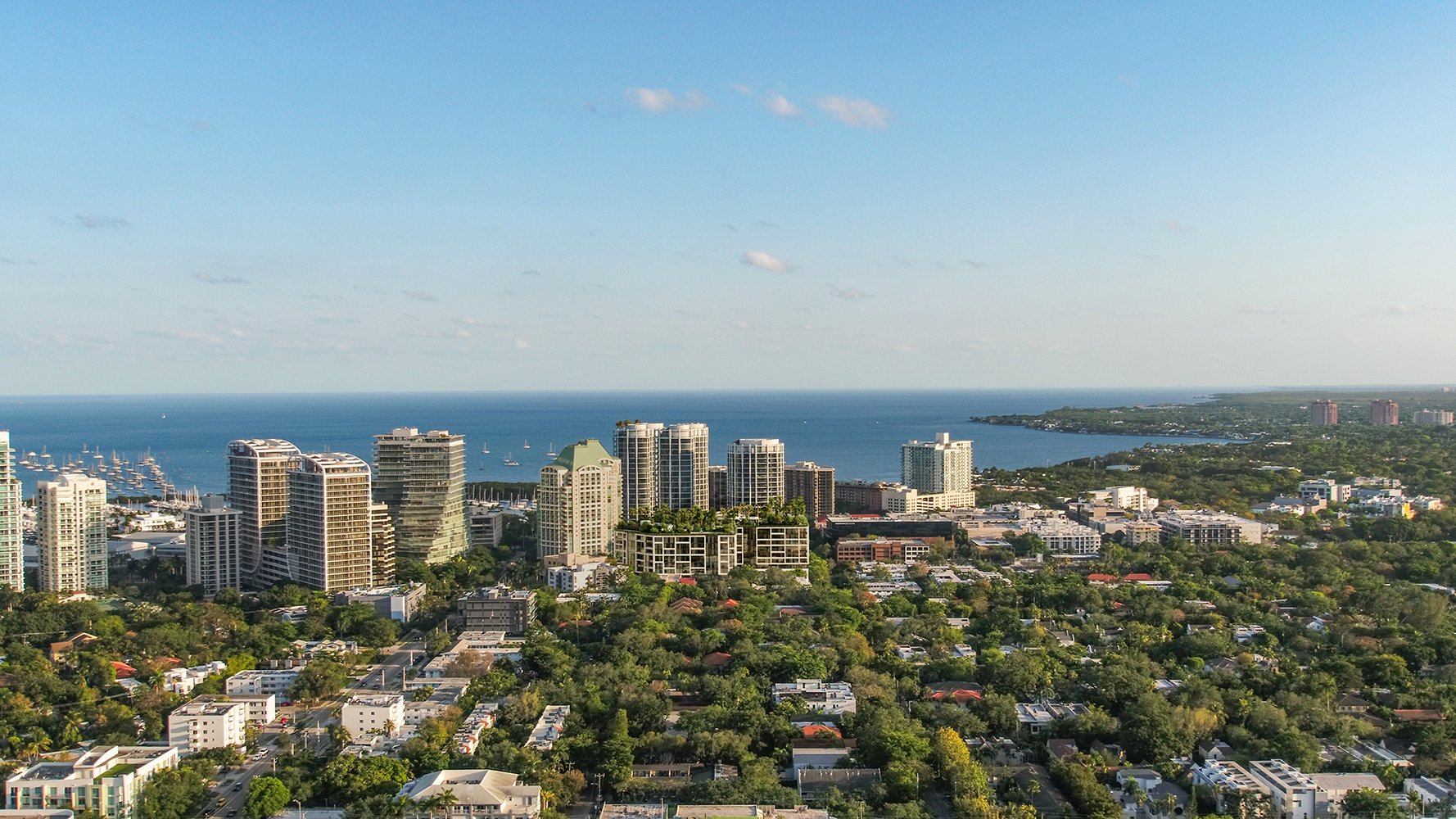
For many Dallas families, Coconut Grove is not simply a warmer address. It is a shift toward a different rhythm of wealth, measured in privacy, neighborhood continuity, bayfront mornings and the ease of gathering several generations without ceremony. The Grove’s appeal is intimate rather than declarative. It rewards buyers who value discretion, walkability, canopy, club-like amenities and a residential character that feels settled rather than transactional.
That is why the most sophisticated Dallas-to-Coconut Grove purchase begins well before a favorite floor plan or estate is selected. The central question is not only what to buy, but how the property should sit inside the family balance sheet. A residence may become a primary home, a seasonal base, a gathering place for adult children, a trust-held asset or the first step in a broader Florida strategy. Each use case calls for a different conversation about ownership, governance, privacy and exit flexibility.
In this sense, Coconut Grove real estate is less about migration and more about the architecture of intent. The right acquisition should clarify how the family wants to live now, how it wants to transfer value later and how future decision-makers will handle upkeep, use, sale rights and emotional attachment.
Domicile is often the headline topic when Dallas buyers begin planning a South Florida purchase, yet it should not be treated as a box to check after closing. A family should define, in advance, whether the Coconut Grove property is intended to become the center of personal, financial and civic life, or whether it will remain one node in a broader multi-state footprint.
That distinction influences the tone of the entire acquisition. It affects document review, calendar planning, advisory coordination and the way the family communicates its intentions internally. When several generations are involved, clarity matters. Parents may view the home as a long-term anchor, while adult children may see it as a flexible retreat. Those assumptions should be surfaced before title, financing and operating responsibilities are finalized.
A buyer comparing private residences such as Four Seasons Residences Coconut Grove with a single-family compound should ask the same core question: will this property simplify the family plan, or create a beautiful asset with unclear rules? The more exceptional the residence, the more important the governance.
Intergenerational buyers sometimes begin with the entity question: individual ownership, trust ownership, limited liability structure or another planning vehicle. A better starting point is purpose. Who will use the property? Who will pay for it? Who will control decisions? Who is expected to inherit, and under what conditions?
A property meant for a married couple’s primary use may need a different framework than one intended as a shared family retreat. A residence purchased for privacy may require different title considerations than one expected to move through a family transfer plan. A home that multiple branches of a family will use should be treated almost like a private club, with written expectations for scheduling, guest access, maintenance standards, capital calls and dispute resolution.
This is where lifestyle and legal architecture intersect. A turnkey condominium may reduce operational friction, while an estate or large residence may offer greater control but require more active oversight. Buyers considering design-forward condominium living, including Mr. C Tigertail Coconut Grove, often value the way services, security and maintenance can support a family still managing business interests elsewhere.
For ultra-premium families, privacy is not an amenity. It is a form of capital preservation. The question is not only who can see into a residence, but who can understand the family’s ownership, patterns of use and future intentions. In a close-knit neighborhood like Coconut Grove, discretion is supported by thoughtful decisions before the contract is signed.
Buyers should discuss how names appear on documents, who communicates with vendors, how staff access is managed and whether the property will ever be used by extended family, guests or charitable contacts. The same planning should apply to digital exposure. Photography, social posting, event visibility and vendor confidentiality can all affect the sense of sanctuary a family expects from a South Florida home.
Privacy also shapes product selection. Some families prefer boutique scale, fewer neighbors and a quieter arrival sequence. Others prefer full-service buildings where access protocols, valet flow and amenity programming create a natural buffer. The decision should be made with the family’s actual lifestyle in mind, not with a generic definition of exclusivity.
A Coconut Grove purchase may be emotionally driven, but investment discipline still matters. Before closing, families should decide whether the residence is being held for legacy use, optional resale, future consolidation or a possible exchange into another type of property. That decision affects tolerance for carrying costs, renovation scope, insurance assumptions and the level of liquidity the family wishes to preserve.
The most resilient plans treat the residence as a long-duration asset with annual review points. A family office or advisory team can model how the property interacts with portfolio liquidity, philanthropic commitments, business succession and planned gifts. Even if a sale is unlikely, a clean exit plan can prevent future conflict among heirs.
In Coconut Grove, wellness-oriented and service-rich residences such as The Well Coconut Grove may appeal to buyers who want the home to support daily life rather than remain a symbolic trophy. That distinction matters. A residence that is consistently used often has a stronger emotional role in a family plan than one admired only a few times a year.
Waterfront living is one of South Florida’s enduring luxuries, but it should be evaluated with discipline. For families arriving from Dallas, the sensory appeal of Biscayne Bay, marinas and lush tropical landscaping can be immediate. The practical conversation should be equally direct: insurance, maintenance, reserve planning, storm preparation, building standards and household continuity all belong in the acquisition review.
This does not mean buyers should avoid coastal property. It means they should underwrite ownership with sophistication. A family should understand who is responsible for decisions before, during and after severe weather, how essential vendors are selected and how the property will be protected if key decision-makers are out of state.
Residences connected to island or bayfront living, including Vita at Grove Isle, can bring an uncommon sense of removal while remaining close to Coconut Grove’s village center. That balance is precisely why planning should include both romance and redundancy.
The most elegant intergenerational purchases have rules that no one notices because they were drafted before tension appeared. Families should discuss how the property will be used during holidays, whether adult children may invite guests, how expenses are shared, what happens if one heir wants liquidity and whether the home should ever be rented, loaned or sold.
These questions may feel clinical in the early stages of a joyful purchase. In practice, they preserve the joy. Written governance can protect relationships by removing ambiguity. It can also allow founders to communicate values: stewardship, privacy, hospitality, philanthropy, wellness or continuity.
Coconut Grove is especially suited to this kind of legacy thinking because it does not force a single identity. It can be serene, social, nautical, artistic or deeply private. The best purchase is the one that gives the next generation room to belong without obligating them to maintain a dream they did not help define.
Before touring, align the advisory team and the family around a short list of questions. Will the residence be a primary home, seasonal base or legacy gathering place? Should ownership be simple or layered? Who has authority to sell, renovate or refinance? How much privacy does the family require? How much liquidity should remain outside the property? What future family events should the home be able to host?
These questions refine the search. They help determine whether the better fit is a full-service condominium, a boutique new residence, a bayfront setting or an estate-style home. They also prevent the common luxury mistake of allowing beauty to outrun structure.
For buyers approaching the search through a family-wealth lens, the lesson is clear: the most successful Dallas-to-Coconut Grove acquisitions are not improvised. They are composed, reviewed and then enjoyed.
Should Dallas buyers choose a property before forming an ownership plan? Ideally, no. The intended use, decision-making structure and succession plan should guide the search from the beginning.
Is Coconut Grove better suited to condos or single-family homes? It depends on the family’s desired balance of privacy, service, maintenance control and long-term use.
Why does family governance matter for a vacation or seasonal residence? Shared homes can create unclear expectations. Written rules help preserve family harmony and simplify future decisions.
Should adult children be included in planning conversations? Often, yes. Their expected use, responsibilities and future ownership role should be understood before assumptions harden.
How important is privacy in a Coconut Grove acquisition? For many high-net-worth buyers, privacy is central. It should influence title planning, staffing, access and product selection.
Can a luxury residence be part of an estate plan? Yes, but the structure should be coordinated with qualified tax, legal and wealth advisors before closing.
What should buyers consider beyond purchase price? Carrying costs, insurance, reserves, staffing, maintenance, renovation plans and liquidity should all be reviewed.
Is waterfront property appropriate for legacy planning? It can be, provided the family plans carefully for insurance, maintenance, resilience and long-term stewardship.
How should buyers compare new residences with established estates? Compare service, control, privacy, upkeep, flexibility and how each option supports the family’s daily life.
What is the first step for a Dallas family considering Coconut Grove? Define the purpose of the property, then align advisors, family members and the search around that purpose.
If you'd like a private walkthrough and a curated shortlist, connect with MILLION.
If branded residences are on your mind — as a home or as an allocation — we would be glad to share what we are seeing, privately.
Begin a quiet conversation