For architecture-minded families, Coral Gables offers planned visual continuity while Coconut Grove presents a more eclectic relationship between homes and tropical landscape. The right choice depends on design preferences, daily routines, and the realities of the individual property.
For a family buying with an architectural eye, the choice between Coral Gables and Coconut Grove begins beyond the front door. A residence belongs to a streetscape, a landscape, and a pattern of daily life. The question is not simply which home photographs best, but which setting will remain compelling through school mornings, visiting relatives, and changing household needs.
Coral Gables offers the appeal of a planned architectural composition. Coconut Grove offers a more varied relationship between buildings and tropical landscape. Neither is an objective winner for families. The distinction is best understood as continuity versus variety, then tested against the specific property.
Start by deciding whether architectural harmony across a neighborhood matters more to you than encountering different styles throughout your search.
Coral Gables was conceived under George Merrick as a planned Mediterranean Revival community. Boulevards, plazas, entrances, fountains, and civic buildings formed a coordinated vision rather than a collection of isolated gestures. For buyers attentive to how a house relates to its surroundings, that larger composition is central to the appeal.
City Hall provides a particularly clear architectural reference. Constructed in 1927-1928 and designed by architect Phineas Paist and art director Denman Fink, its Mediterranean Revival design incorporates native oolitic limestone. It offers a tangible introduction to the materials and civic ambition behind the city's identity.
That identity also has a regulatory dimension. Coral Gables defines its Mediterranean architectural style within its zoning framework, and its two-level Med Bonus program incentivizes development incorporating Coral Gables Mediterranean Architecture. Buyers should not mistake that broader framework for automatic permission to renovate or an entitlement available to every property.
When considering The Village at Coral Gables, apply the same architectural test you would to an established residence: examine how the building meets the street, how its proportions feel at close range, and whether its layout supports your household.
Mediterranean Revival is the defining starting point, not the full extent of Coral Gables architecture. The MacFarlane Homestead Historic District includes late-1920s and 1930s wood-frame vernacular residences-a reminder that local architectural history cannot be reduced to one palette or silhouette.
Merrick House, Venetian Pool, Coral Gables Elementary School, Coral Gables Museum, and Douglas Entrance are among the city's historic landmarks. For a family interested in architecture, these places can turn a neighborhood visit into a broader conversation about materials, preservation, and civic design.
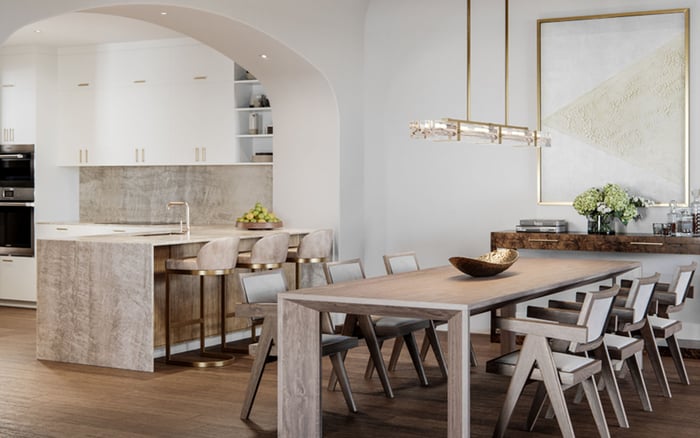
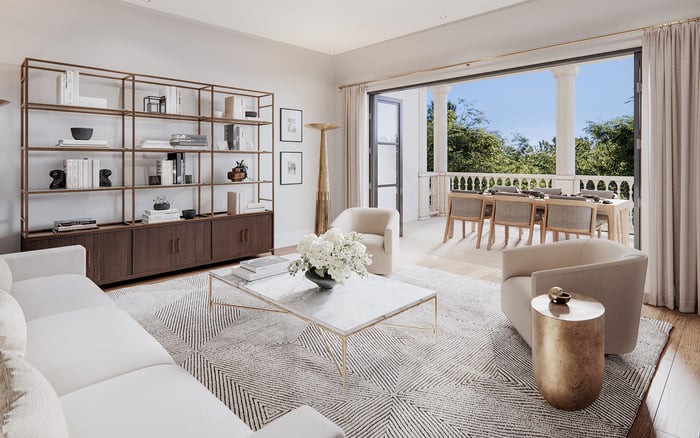
At a prospective home, separate affection for the facade from confidence in the plan. Ask whether bedrooms allow changing uses, shared spaces accommodate different activities, and outdoor areas are practical to supervise. A convincing architectural identity does not, by itself, establish a convincing family layout.
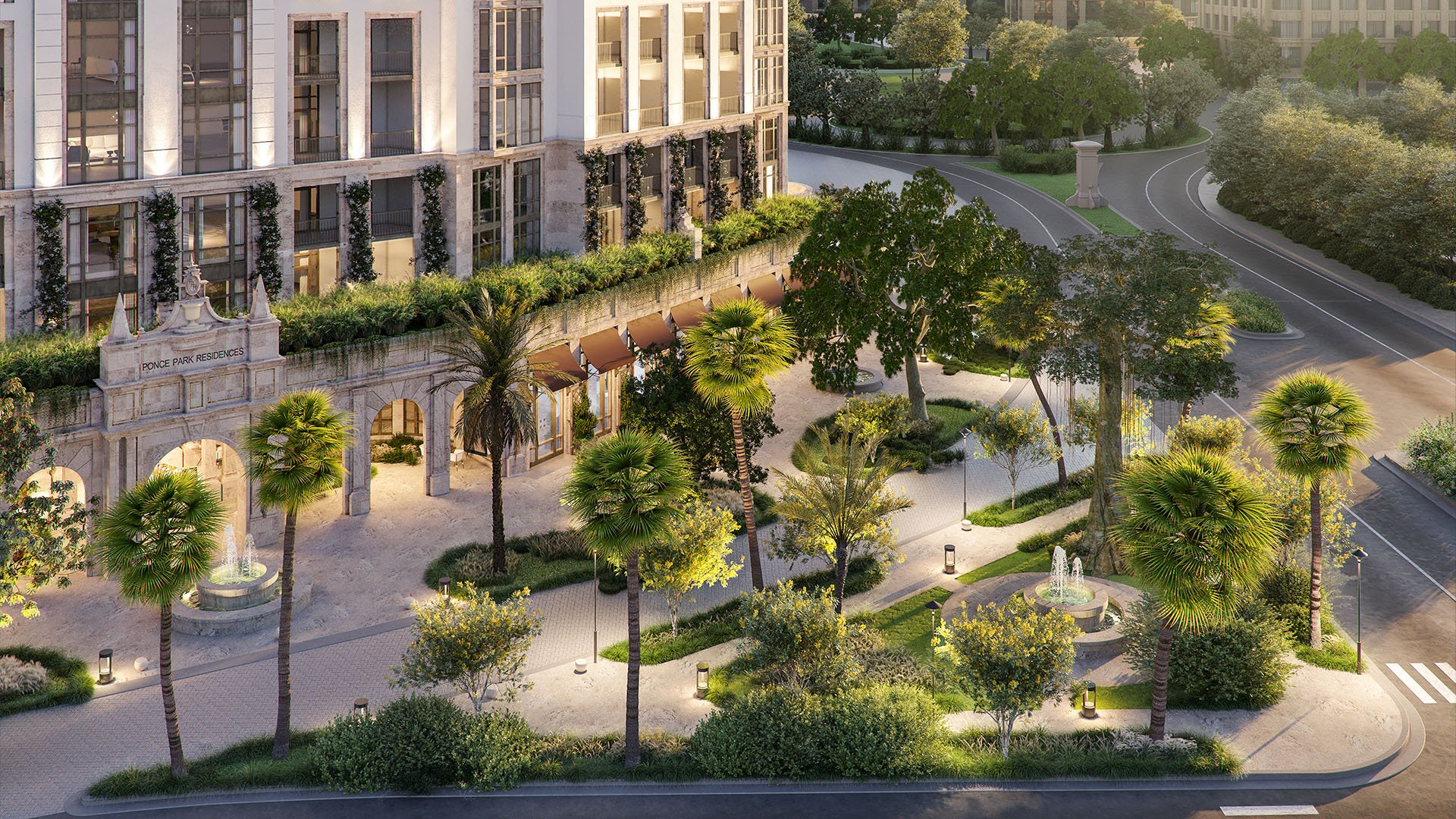
Apply the same discipline when reviewing Ponce Park Coral Gables. Keep neighborhood character and residence-level suitability as two distinct decisions, then require both to work.
Coconut Grove presents a more eclectic architectural mix: historic wood-frame cottages, coral-rock houses, Bahamian-Caribbean influences, and contemporary residences. Mature tropical vegetation, shaded streets, waterfront geography, and surviving historic buildings shape its character without imposing a single architectural language.
For buyers drawn to contrast, that variety is part of the attraction. An older residence and a contemporary building invite different questions about scale, privacy, and the treatment of outdoor space. The useful comparison is not which style is inherently more luxurious, but which interpretation feels most livable to your family.
During a viewing, examine how windows frame vegetation, how interiors receive daylight, and whether outdoor rooms are genuinely usable. Treat these as property-specific questions, not assumed benefits of a Grove address. A lush setting deserves the same scrutiny as an elegant elevation.
The Grove's housing landscape also includes luxury condominiums. Park Grove Coconut Grove belongs in that broader conversation, allowing buyers to consider condominium living alongside the area's older residential fabric. Compare actual plans, ownership obligations, and outdoor access rather than treating the neighborhood name as a substitute for inspection.
An architecture-led search still needs an ordinary weekday test. Visit prospective addresses at the times your household would actually leave and return. Rehearse school journeys, work routes, errands, and activities rather than assuming an attractive streetscape guarantees convenient daily movement.
In the Grove, The Barnacle Historic State Park, Vizcaya Museum and Gardens, and The Kampong botanical garden provide cultural and landscape destinations to consider. Their relevance depends on whether your family would use them and how they fit your routine, not simply their presence on a neighborhood itinerary.
In Coral Gables, include public parks and green spaces in your visits alongside architectural landmarks. Inspect the particular spaces you expect to use, and confirm access and facilities directly. Neither neighborhood's atmosphere establishes school suitability, safety, or walkability for an individual address; investigate those priorities separately.
Before becoming attached to a renovation concept, establish the property's historic designation, applicable zoning, and approval requirements. Ask an appropriately qualified professional to assess whether proposed additions, exterior changes, or interior reconfiguration are feasible. Do not assume an eclectic streetscape means unrestricted redevelopment, or that a coherent one prevents every adaptation.
Review flood exposure and obtain property-specific insurance information early enough to inform the decision. For a condominium, examine governing documents and renovation procedures alongside the residence itself. For any property, distinguish the work you would like to undertake from the work that can be approved and responsibly budgeted.
The final choice is a matter of fit. Favor Coral Gables if its planned visual continuity is a quality you want to experience every day. Favor Coconut Grove if architectural variety and tropical landscape better express your preferences. In either setting, the strongest purchase aligns design, practical use, and verified property conditions.
For a considered approach to your next South Florida residence, explore MILLION.
If branded residences are on your mind — as a home or as an allocation — we would be glad to share what we are seeing, privately.
Begin a quiet conversationCoral Gables emphasizes planned Mediterranean Revival character and visual continuity. Coconut Grove offers a more eclectic mix of historic and contemporary residences within a tropical landscape.
No. The MacFarlane Homestead Historic District includes late-1920s and 1930s wood-frame vernacular residences.
It is a two-level program that incentivizes development incorporating Coral Gables Mediterranean Architecture. Buyers should verify whether its provisions apply to a particular proposal.
City Hall, constructed in 1927–1928, is a Mediterranean Revival landmark incorporating native oolitic limestone. Architect Phineas Paist and art director Denman Fink designed it.
The Grove's mix includes historic wood-frame cottages, coral-rock houses, Bahamian-Caribbean influences, and contemporary residences.
Yes. Its luxury condominium landscape includes Park Grove, Grovenor House, The Fairchild, and Grove at Grand Bay.
The Barnacle Historic State Park, Vizcaya Museum and Gardens, and The Kampong botanical garden offer cultural and landscape destinations to consider.
Neither is an automatic winner. Test school journeys, work routes, errands, and recreation from each prospective address.
Check historic designation, zoning, approval requirements, and expansion feasibility. An eclectic neighborhood does not imply unrestricted redevelopment.
Yes. Review both at the property level early enough to inform the purchase, rather than relying on neighborhood-wide assumptions.