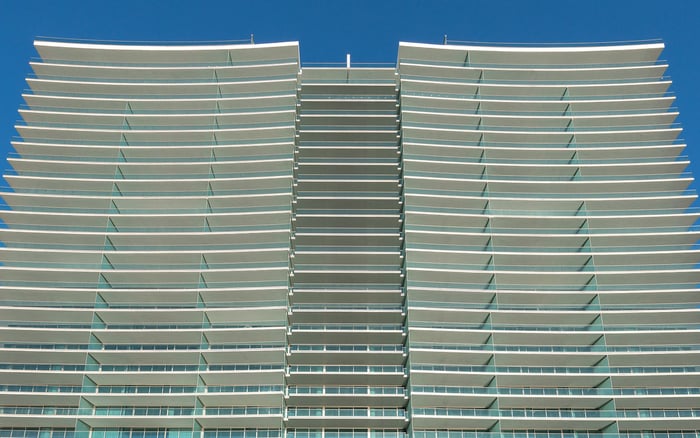
Bay Harbor Islands pairs an on-island K-8 school and a walkable commercial core with waterfront housing choices. For families, the strongest fit depends on the precise address, daily routes, school eligibility, and property-level diligence.
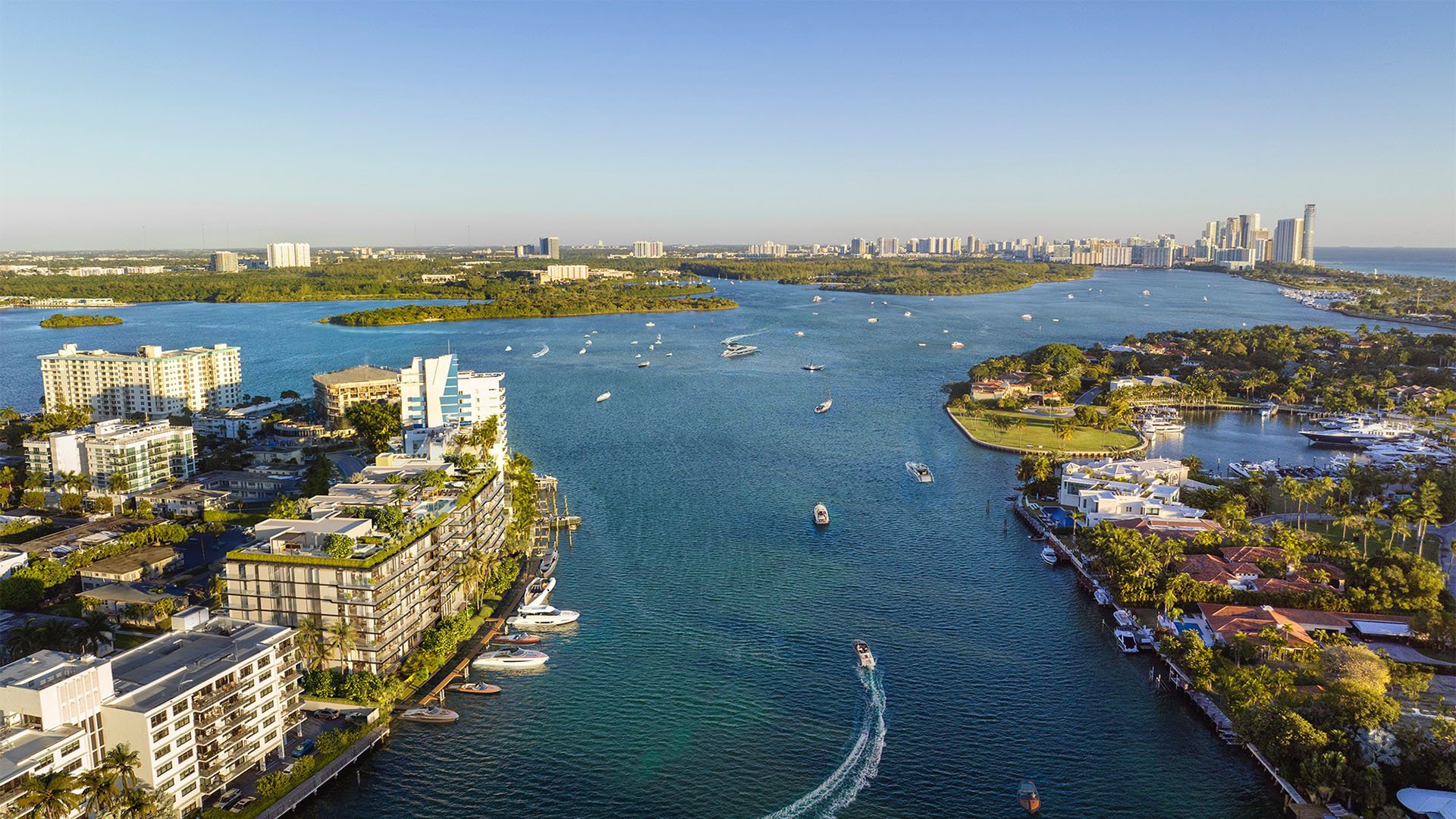
For families considering Bay Harbor Islands, the appeal begins with the possibility of a more compact daily life. This two-island community sits between mainland North Miami and the Bal Harbour-Surfside coastline, bringing an on-island school, neighborhood commerce, and waterfront housing into a relatively contained setting. The luxury proposition is not simply a view. It is the possibility of fitting school, errands, and recreation into a more manageable geography.
That promise deserves an address-level assessment. A home suited to a family seeking detached-house privacy may support a different routine from a condominium chosen for access to cafés and shops. The right purchase starts with how the household moves through an ordinary weekday-not the assumption that every island address offers the same convenience.
West Island is primarily residential, with single-family homes and waterfront properties. It is a natural starting point for buyers who prioritize a detached residence and waterfront privacy. East Island has more condominiums and commercial activity, making it a useful starting point for households that place greater emphasis on access to restaurants and everyday services.
Neither choice eliminates the need to inspect the surrounding blocks. Before comparing finishes or views, establish the preferred relationship between home, school, parks, and Kane Concourse. Then compare the actual routes from each shortlisted residence.
For buyers including Alana Bay Harbor Islands in their search, the same discipline applies: evaluate the individual address against the family's routine before allowing a project presentation to define the decision. Test neighborhood fit and residence fit separately.
Kane Concourse forms the town's walkable commercial core, with cafés, restaurants, shops, and everyday services. Its value to a household lies in the trips it may make easier: a coffee stop, a meal close to home, or an errand that does not require another drive.
The islands' compact scale can also make walking or cycling to school practical for some households. But compact does not mean every destination is equally accessible from every property. The starting address, crossings, and route matter, particularly when children are part of the journey.
Walk the likely route rather than judging it solely on a map. Consider how it feels with a stroller, a younger child, or school bags, and whether the return trip still suits the household's schedule. The most useful measure of walkability is the number of journeys your family would genuinely choose to make on foot.
Ruth K. Broad Bay Harbor K-8 Center is an on-island public school serving children through eighth grade. For families seeking continuity across those years, its location is a meaningful part of the neighborhood's appeal. It can place education within the same small community as home and everyday activities.
Proximity, however, is not proof of eligibility. Confirm current school assignments and enrollment requirements directly with Miami-Dade County Public Schools for the specific property under consideration. An assignment attached to another address does not establish a townwide rule, and a property listing is no substitute for that confirmation.
Families planning beyond eighth grade should also verify the applicable high-school assignment. Keep the school decision and the real-estate decision connected, but distinct: first establish eligibility and educational fit, then assess whether the journey works for the household.
Waterfront living is central to Bay Harbor Islands, but the town does not have its own traditional ocean beach. Nearby Bal Harbour and Surfside provide ocean-beach access. Whether that means a comfortable walk, a bicycle outing, or a drive depends on the starting address and route.
This distinction matters for buyers imagining daily sand-and-sea access. A bay-oriented home and an oceanfront home offer different experiences, even when the coast is nearby. Decide whether the priority is living beside the water, reaching the beach regularly, or combining the two with an acceptable journey between them.
When considering Onda Bay Harbor, apply those priorities to the specific residence under review. Confirm its outlook and access arrangements independently rather than treating the neighborhood's waterfront identity as a promise about every home.
Local recreation options include a bayfront tot lot and Officer Scott Winters Park, with shaded playground space and an adjacent dog run. Include these stops in a neighborhood visit, especially if your household is balancing the needs of young children and a dog.
Beyond the islands, Bal Harbour Shops and Surfside's Harding Avenue business district broaden shopping and dining choices. Together with Kane Concourse, they offer different settings for everyday outings without making every occasion a larger regional excursion.
The question is not simply how many destinations are nearby, but which ones the family would use, how often, and by what means. Visit with that distinction in mind, allowing time for the ordinary stops that are easy to overlook during a property-focused tour.
The Broad Causeway connects westward toward North Miami and Biscayne Boulevard, while the eastern 96th Street connection leads toward Bal Harbour. Regional driving depends on these bridge connections, making route selection and peak-period traffic important considerations.
Test the journeys that cannot remain local, including work, appointments, and recurring activities, at the times you expect to travel. Do not infer a commute from geographic proximity alone. Free shuttle connections to nearby destinations may offer another option, but confirm current routes and schedules before relying on them.
Housing choices range from established condominium buildings to newer boutique luxury developments and waterfront single-family homes. Buyers considering Bay Harbor Towers alongside other residences should keep the comparison property-specific: review the documents, ownership obligations, and physical conditions relevant to each option.
Some waterfront properties offer docks or water access. Verify dock rights, seawall condition, water depth, and clearance rather than assuming a waterfront address accommodates a particular boat. The islands' low-lying setting also makes flood-zone information, insurance costs, elevation documentation, and storm resilience essential purchase considerations.
The strongest choice is the one where the appealing view and the ordinary weekday support the same decision. Confirm the school, walk the routes, test the necessary drives, and understand the property's waterfront obligations before committing.
Explore residences that align with your family's priorities with MILLION.
If branded residences are on your mind — as a home or as an allocation — we would be glad to share what we are seeing, privately.
Begin a quiet conversationBay Harbor Islands is a compact, two-island community between mainland North Miami and the Bal Harbour–Surfside coastline.
West Island is primarily residential, with single-family homes and waterfront properties. East Island has more condominiums and commercial activity.
Kane Concourse offers a walkable commercial core, and some households can walk or cycle to school. Practicality depends on the exact address and route.
Ruth K. Broad Bay Harbor K–8 Center serves children through eighth grade. Confirm address-specific eligibility directly with Miami-Dade County Public Schools.
Do not assume eligibility from proximity or a property listing. Verify current assignments and enrollment requirements for the specific address directly with the school district.
The town offers waterfront living but does not have its own traditional ocean beach. Nearby Bal Harbour and Surfside provide ocean-beach access.
Options include a bayfront tot lot and Officer Scott Winters Park. The park has shaded playground space and an adjacent dog run.
Regional driving relies on bridge connections toward North Miami and Bal Harbour. Test necessary routes during the periods when you expect to travel.
No dock access should be assumed from a waterfront address. Verify dock rights, seawall condition, water depth, and clearance for the specific property.
Review flood-zone information, insurance costs, elevation documentation, and storm resilience. Properties with boating access also require separate dock and water-access diligence.