A buyer-oriented comparison of Coral Gables and Palm Beach, focused on how walkability, privacy, domestic service, schools, hosting, and daily routines shape luxury residential decisions.
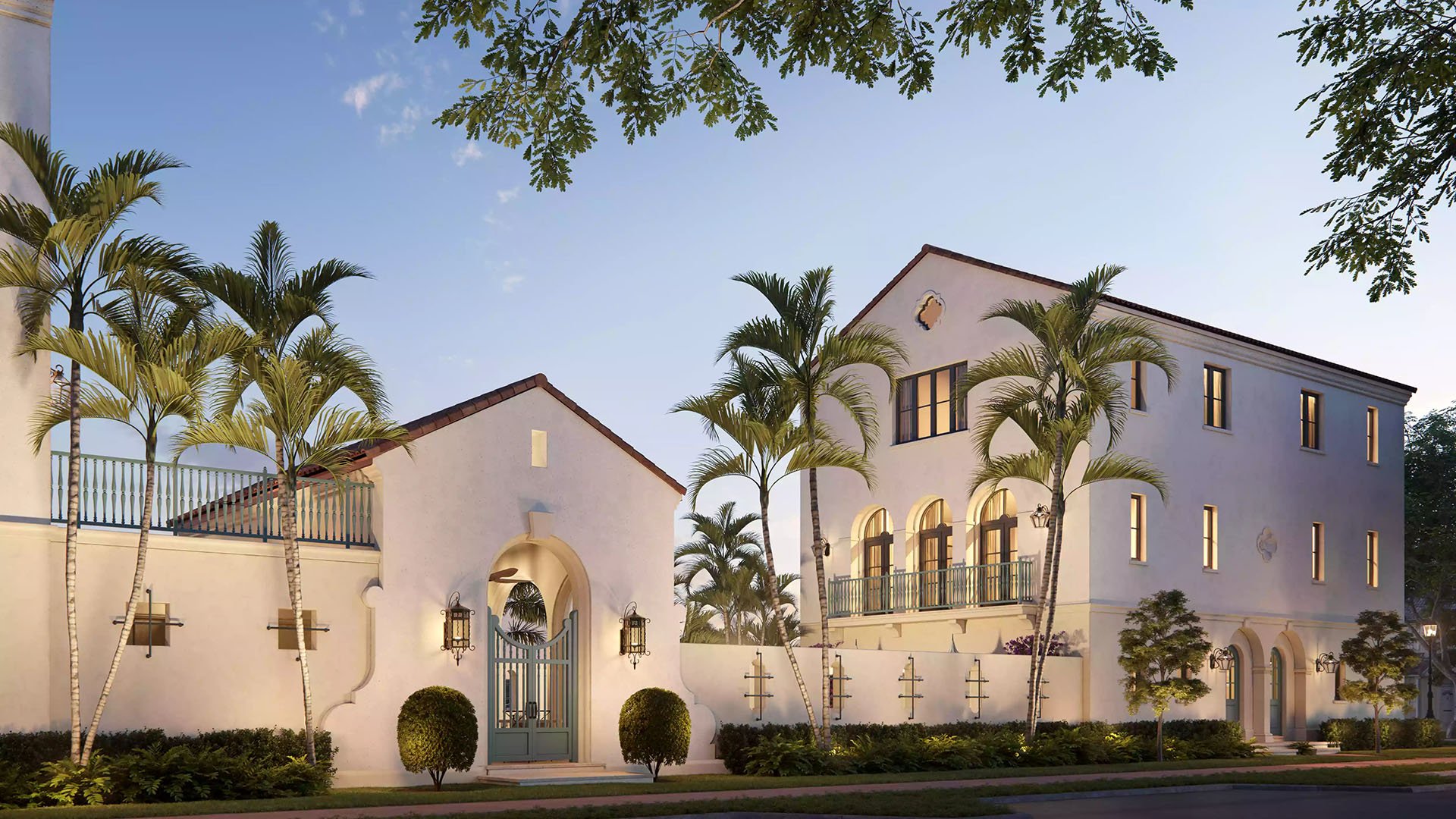
Coral Gables and Palm Beach can both appeal to buyers who want grace, greenery, and a residential life set apart from harder urban edges. Yet the choice between them is rarely answered by what can be reached on foot. At the upper end of the market, walkability is not merely proximity. It is the way a household expects the day to unfold, who manages each transition, and how visible or invisible service should feel.
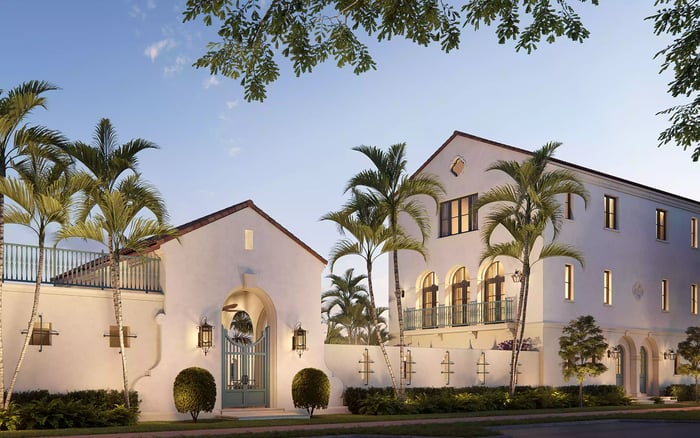
In Coral Gables, the walkable lifestyle often reads as practical elegance. A buyer may value the ability to shape a week around nearby dining, appointments, school routines, and neighborhood rituals without making every movement feel like an occasion. In Palm Beach, walkability often carries a more ceremonial quality. The pleasure is not only in reaching a destination, but in doing so within an environment where privacy, presentation, and personal service remain central to daily life.
In search shorthand, Coral Gables and Palm Beach can appear deceptively similar: established, polished, and deeply residential. In lived experience, they answer different questions. Coral Gables asks how comfortably a household can integrate errands, children, work, and entertaining. Palm Beach asks how completely a household can preserve ease, discretion, and refinement within a smaller, more socially calibrated world.
For Coral Gables buyers, walkability is often tied to continuity. The ideal is a life where morning coffee, a fitness appointment, a business lunch, a school commitment, and dinner can all sit within a coherent residential pattern. This is especially meaningful for households balancing professional schedules, children, visiting family, and part-time domestic staff.
The appeal is not simply that one can walk. It is that walking can remain casual. In this context, the neighborhood acts almost as an extension of the home. A resident can step out without turning every errand into a formal outing. That matters for buyers who want elegance without surrendering spontaneity.
This is also where the single-family-homes conversation becomes especially nuanced. A buyer may want the privacy and control of a house, while still wanting enough surrounding activity to avoid a sense of total isolation. In Coral Gables, the strongest lifestyle fit often belongs to those who want a refined neighborhood framework around the home, rather than a resort structure replacing it.
Service expectations follow that logic. The house may have housekeepers, drivers, nannies, chefs, or estate managers, but the resident still expects to participate in the neighborhood directly. The service model supports independence rather than insulating the household from it.
Palm Beach buyers may also care deeply about walkability, but the standard is different. The walk is part of a larger atmosphere of control. The buyer is often less concerned with how many routine errands can be accomplished independently and more concerned with whether every movement feels composed, discreet, and easy.
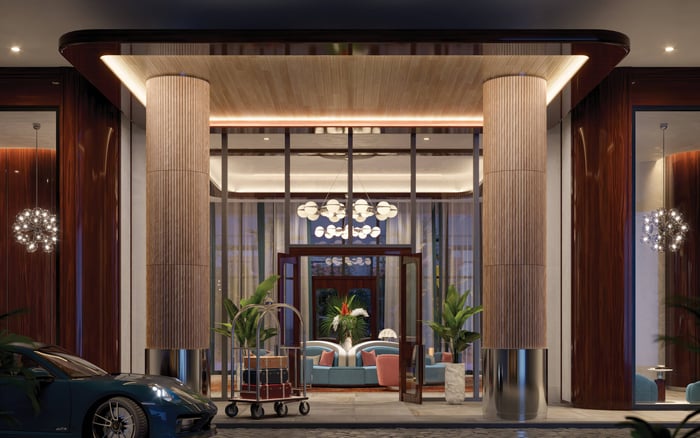
In Palm Beach, the highest value is frequently placed on frictionless living. This can mean a more formal service culture, greater emphasis on arrival, and a sharper distinction between public-facing life and private domestic life. A walk may be pleasant and convenient, but it is rarely the entire point. The larger question is whether the home, staff, club life, social calendar, and surrounding streets create a polished whole.
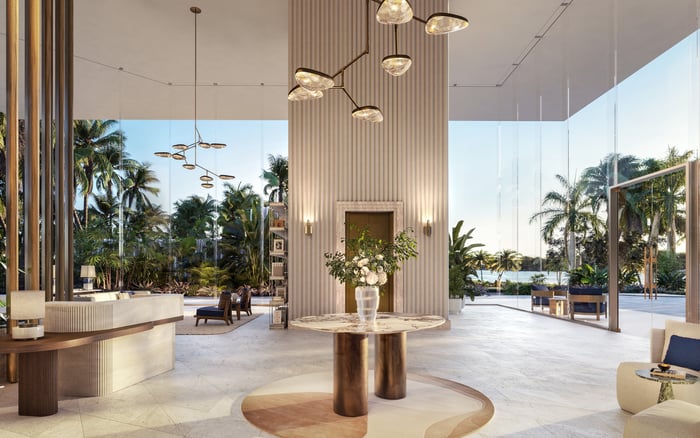
This is why Boutique scale can be so powerful in Palm Beach thinking. Many buyers are not looking for maximum activity. They are looking for proportion. A smaller, more curated environment can feel more luxurious than one in constant motion, especially when the household already has systems in place to manage logistics.
The service expectation is also more exacting. Privacy is not passive. It is designed through gates, landscaping, scheduling, staff circulation, guest protocols, and the handling of deliveries and arrivals. The goal is not merely convenience. It is the absence of visible effort.
The most useful distinction for a buyer is this: Coral Gables often privileges independence supported by service, while Palm Beach often privileges insulation delivered through service. Neither is superior. They are different forms of luxury.
A Coral Gables household may value leaving the car behind for selected routines, while still relying on support for transportation, entertaining, maintenance, and child logistics. The service team operates in the background, but the owner remains connected to local life.
A Palm Beach household may prefer a more choreographed experience. Staff may manage more of the daily friction, from arrivals to reservations to guest flow. The owner’s interaction with the outside world can be more selective, more deliberate, and more carefully timed.
This distinction is particularly important for seasonal residents. A home used intensively for part of the year demands a different service plan than a primary residence occupied every week. The more seasonal the use, the more valuable it becomes to have systems that can be activated instantly and invisibly.
Families often begin with schools, space, security, and commute patterns, but they should also study the texture of the day. A Private-school routine, for example, is not only about the academic choice. It affects morning timing, driver needs, after-school activities, staff schedules, and how easily parents can remain present without losing the structure of the workday.
In Coral Gables, families may be drawn to a pattern that lets children and parents feel connected to a broader neighborhood ecosystem. Walkability can support a sense of groundedness, particularly when the household wants elegance without excessive formality.
In Palm Beach, families may prioritize privacy, legacy, and a stronger separation between home life and public life. The service layer may be more pronounced, especially when extended family, guests, and seasonal entertaining are part of the ownership plan.
Gated-community thinking can appear in both markets, but it expresses different priorities. In Coral Gables, it may be about security and quiet while preserving access to daily life. In Palm Beach, it may be part of a broader desire for discretion, controlled circulation, and a highly managed residential experience.
Before committing, buyers should walk the neighborhood at the times they actually live. A Saturday afternoon impression is not enough. Morning routines, weekday evenings, school-hour traffic, dinner arrivals, and guest parking all reveal different truths.
They should also map the service plan before falling in love with the architecture. Where does staff enter? Where do deliveries go? How does a driver wait? Can guests arrive without disrupting the household? Is there enough separation between entertaining spaces and family spaces? These questions often matter more than a few extra minutes of walking convenience.
Finally, buyers should be honest about temperament. Some want the pleasure of doing things themselves in a beautiful setting. Others want the pleasure of never having to think about the mechanics at all. Coral Gables and Palm Beach both serve sophisticated lives, but they do not serve the same daily psychology.
Is Coral Gables generally better for everyday walkability? It may suit buyers who want walkability woven into errands, dining, school routines, and casual neighborhood life.
Is Palm Beach less walkable than Coral Gables? Not necessarily. The distinction is that Palm Beach walkability often emphasizes polish, privacy, and atmosphere rather than daily utility alone.
Which market is better for families? The better fit depends on school routines, desired privacy, staff structure, and whether the family wants a more integrated or more insulated lifestyle.
How should service expectations affect the purchase decision? Buyers should evaluate staff access, deliveries, guest arrivals, maintenance needs, and how much daily friction they want handled for them.
Does a walkable setting reduce the need for staff? Sometimes, but not always. At the luxury level, walkability and service often complement each other rather than replace each other.
Why does Palm Beach often feel more formal? Its appeal is closely tied to discretion, presentation, privacy, and a highly composed residential rhythm.
Why does Coral Gables often feel more flexible? It can support a polished life while still allowing residents to participate directly in daily neighborhood routines.
Should seasonal owners think differently? Yes. Seasonal ownership usually places greater importance on management, readiness, security, and seamless service activation.
What should buyers test during a property tour? They should study arrival sequences, parking, staff circulation, delivery paths, noise patterns, and how the home functions at peak hours.
Which choice is more luxurious? Luxury depends on fit. Coral Gables may offer refined independence, while Palm Beach may offer refined insulation.
If you'd like a private walkthrough and a curated shortlist, connect with MILLION.
If branded residences are on your mind — as a home or as an allocation — we would be glad to share what we are seeing, privately.
Begin a quiet conversation