Cora Merrick Park’s wellness ambitions warrant a precise reading. Buyers should distinguish certification goals from an awarded designation, examine residence-level specifications and understand the costs and contractual commitments behind the planned features.
At Cora Merrick Park, the most consequential wellness detail is not the rooftop yoga terrace or the planned hot and cold plunges. It is the distinction between seeking WELL Building Certification and having received it. For a buyer evaluating a future residence, that difference belongs at the beginning of the conversation, not at the end of a sales presentation.
The phrases “seeking to obtain the WELL Building Certification” and “a WELL certified building” are both used to describe Cora. They are not interchangeable. The available documentation does not establish an awarded certification. The prudent reading is that Cora is pursuing certification; the conflicting wording requires written clarification before a buyer relies on it.
That distinction need not diminish the appeal of the proposed residences. It separates a design ambition from a verified outcome and gives buyers a clearer basis for evaluating what they are purchasing.
Cora is planned as a 13-story condominium with 74 residences at 4241 Aurora Street in Coral Gables’ Merrick Park neighborhood. The development team comprises Constellation Group and The Boschetti Group, with architecture by Arquitectonica and interiors by Urban Robot.
Construction began in April 2026, with completion targeted for 2028. The developers secured a $67.5 million construction loan. These are meaningful development milestones, but neither financing nor a construction start guarantees completion, delivery timing or certification.
The mixed-use program includes approximately 8,000 square feet of ground-floor retail and 13,000 square feet of office space on the second and third floors. Buyers should therefore ask whether the intended certification scope covers residences, residential common areas, commercial space or some combination of them.
For someone also considering Ponce Park Coral Gables, the useful comparison is not a contest of wellness vocabulary. It is a consistent review of the specifications, delivery commitments and operating responsibilities attached to each purchase.
Cora’s certification pursuit is associated with the International WELL Building Institute’s residential program. Buyers should nevertheless request written confirmation of the exact pathway, registration status, targeted rating or designation, scope and anticipated review timing. A broad reference to WELL does not resolve those details.
The wellness categories discussed for Cora include air, water, light, sound, materials, movement, nourishment, mind and community. That breadth explains why a list of spa amenities alone cannot answer the certification question. The inquiry extends to building systems, finishes, shared spaces and the intended residential experience.
Ask the sales team to distinguish among planned features, specifications incorporated into purchase documents and outcomes still subject to review. If an award is presented as already achieved, request the award documentation and confirmation of exactly what it covers.
Cora’s planned specifications include advanced air and water purification systems, low-VOC paints, coatings and sealants, acoustic measures intended to reduce noise transmission, and lighting technology intended to balance natural and artificial illumination. These are substantive areas for inquiry, but broad descriptions are not performance specifications.
For air, request filtration ratings, ventilation rates and a clear explanation of which systems serve individual homes rather than shared spaces. For water, ask whether treatment covers the entire residence, selected fixtures or common facilities, and how testing and replacement schedules will work.
For acoustics, request numerical performance targets and the assemblies to which they apply. The available specifications do not establish numerical standards. Ask separately about sound between residences, from corridors and from amenity or commercial areas. These are questions to resolve, not assumptions about a defect.
For lighting, distinguish installed equipment and controls from general wellness language. Ask what is included inside the selected residence and what remains an owner choice. The most useful answer is a written schedule that can be compared with the purchase documents.
Spanish firm Lamarca Well is overseeing Cora’s wellness programming. Planned facilities include hot and cold plunges, steam rooms, an infrared sauna and red-light therapy. The rooftop program includes a swimming pool, sun shelf, cabanas, outdoor wellness areas, a yoga terrace and a padel court.
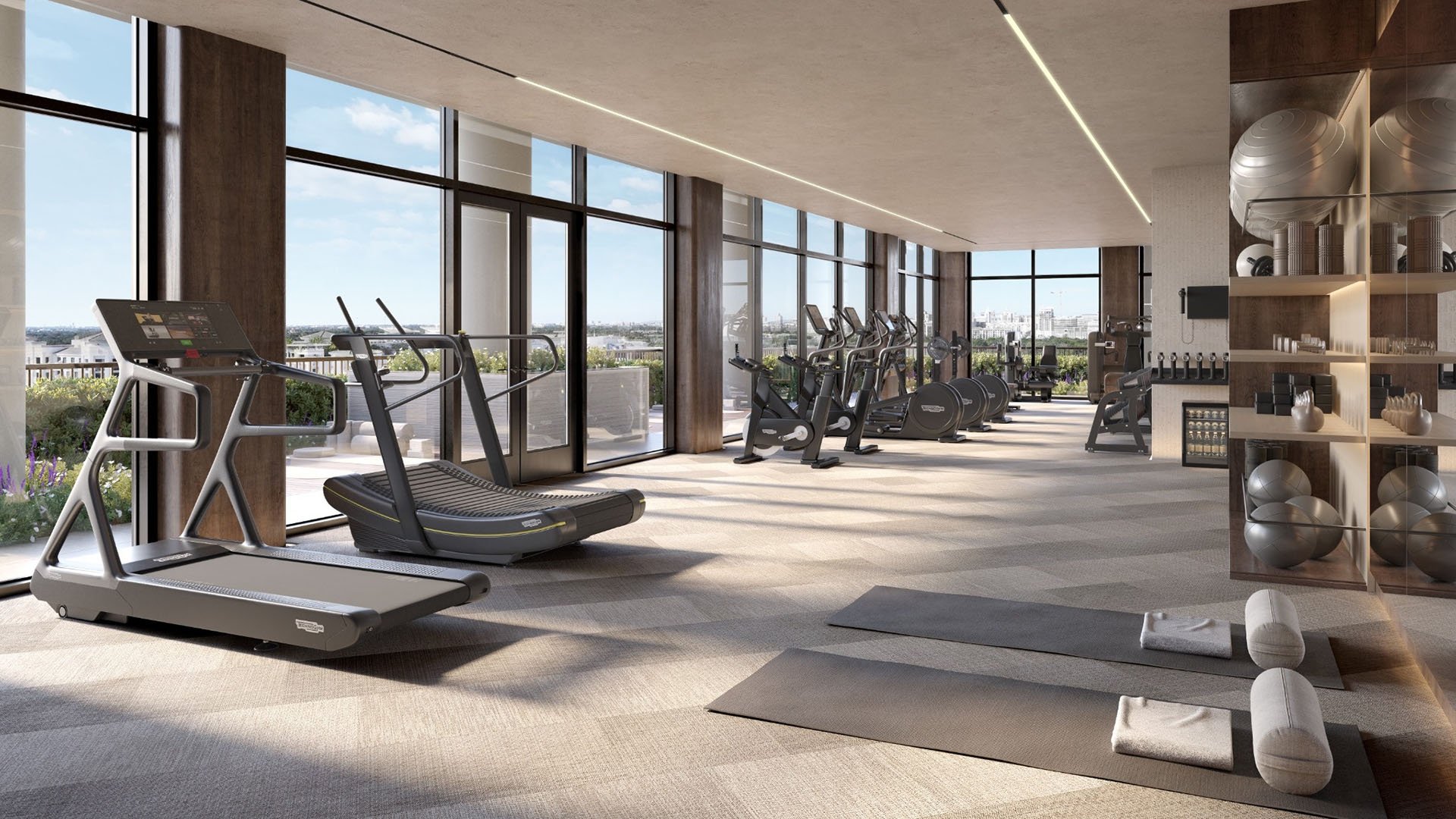
Additional planned spaces include a fitness center, a resident lounge with catering kitchen, coworking or boardroom space, a screening lounge and a tea lounge. Together, they represent a substantial proposed amenity offering. They do not, on their own, demonstrate certification or establish medical benefits.
A buyer also considering The Well Coconut Grove should apply the same discipline: separate the appeal of wellness-oriented living from the documentation supporting each claim. Similar language is not evidence of identical systems, certification scope or services.
The practical questions are personal. Which spaces would you use regularly? What access arrangements, staffing and maintenance provisions are contemplated? A compelling amenity is more valuable to a household when its intended operation fits everyday life.
A purification system is not simply a fixture to admire at delivery. Buyers should identify who will maintain it, who will pay for replacement components and testing, and where those obligations appear in the projected association budget. The proposed wellness facilities warrant the same scrutiny.
Request a breakdown of what is included in association expenses and what, if anything, could require separate payment. Do not assume that a treatment space comes with an included service. Clarify which responsibilities remain with the association and which fall to individual owners.
The neighborhood offering also deserves separate consideration. A planned 5,000-square-foot park is expected to feature artwork by Jaume Plensa and be donated to the City of Coral Gables upon completion. Buyers comparing Cora with The Village at Coral Gables can weigh the setting alongside building specifications without confusing a proposed public amenity with a private contractual entitlement.
Before committing, have counsel compare the wellness representations with the purchase agreement and incorporated specifications. Ask what happens if certification is delayed or not obtained, whether substitutions are permitted and what remedies, if any, apply to undelivered systems or amenities. Marketing language should not stand in for those answers.
Cora is best evaluated through three distinct considerations: the planned residence, the intended wellness infrastructure and the obligations supporting delivery and operation. A certification pursuit can inform that assessment, but it should not replace it or support an assumed resale premium.
For a discreet perspective on South Florida residential choices, explore MILLION.
If branded residences are on your mind — as a home or as an allocation — we would be glad to share what we are seeing, privately.
Begin a quiet conversationAn awarded certification is not established by the available documentation. Buyers should treat Cora as pursuing certification and request written confirmation of its current status.
Cora is described both as seeking certification and as a WELL certified building. Buyers should resolve that discrepancy before relying on the designation.
Cora is planned at 4241 Aurora Street in Coral Gables’ Merrick Park neighborhood. The condominium is planned to have 74 residences across 13 stories.
The development team comprises Constellation Group and The Boschetti Group. Arquitectonica is the architect, and Urban Robot is responsible for interiors.
Construction began in April 2026, with completion targeted for 2028. The target should not be treated as a guaranteed delivery date.
Request written confirmation of registration, the exact WELL pathway, targeted rating or designation, certification scope and anticipated review timing.
Planned features include advanced air and water purification, low-VOC paints, coatings and sealants, acoustic measures and wellness-oriented lighting. Buyers should confirm which specifications apply inside their selected home.
Plans include hot and cold plunges, steam rooms, an infrared sauna, red-light therapy, a fitness center and a rooftop yoga terrace. These amenities do not independently establish certification or medical benefits.
Buyers should examine responsibility for filter replacement, system maintenance, testing and wellness-facility operations. Ask which expenses are included in the projected association budget and which may be separate.
No. The $67.5 million construction loan documents financing progress, not a guarantee of completion, delivery timing or WELL certification.