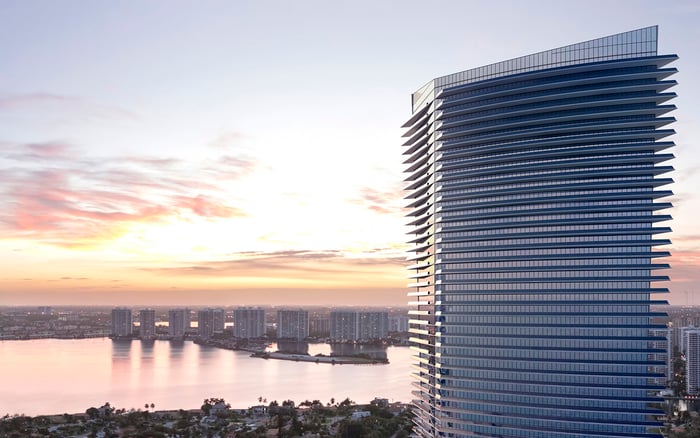
A seasonal residence deserves year-round diligence. Before committing to a South Florida condominium, align jumbo project approval, structural funding, litigation review, ownership concentration, and seasonal-use rules with carefully negotiated contract protections.

A South Florida second home should make seasonal living feel effortless. The acquisition contract, however, must address the building as carefully as the residence. A beautifully finished apartment does not establish reserve adequacy, resolve association litigation, or confirm that a jumbo lender will accept the condominium project.
The essential discipline is to separate three decisions: whether the residence suits your life, whether the association’s obligations are acceptable, and whether the intended lender approves the project. Negotiate a review structure that gives your attorney and lender time to answer each question before the relevant cancellation rights expire.
For a Brickell search that includes Una Residences Brickell, that means evaluating governing documents alongside the floor plan. Project references here provide search context, not statements about any building’s finances, litigation, or financing eligibility.
Personal borrowing capacity and condominium project eligibility are separate questions. Conventional project-review criteria offer a useful reference, but they do not guarantee jumbo approval. Obtain the intended lender’s requirements for the proposed second-home loan rather than assuming another lender’s acceptance will carry over.
Ask the lender to identify the association documents, financial information, inspection materials, litigation disclosures, and ownership information it requires. Establish who will request them and how long project review is expected to take.
Have counsel negotiate a project-approval contingency that addresses failure of the building review, not merely the buyer’s financial qualification. Specify document-delivery deadlines, the review period, notice procedures, and cancellation and deposit-return rights. These are protections to negotiate, not automatic rights established by this checklist. Ask counsel whether late or materially changed documents should trigger additional review time.
In Florida, residential condominium buildings with three or more habitable stories generally fall within milestone-inspection requirements. The initial inspection generally occurs at 30 years, or at 25 years when the local enforcement agency requires earlier inspection, with subsequent inspections every 10 years.
Qualifying buildings also require a Structural Integrity Reserve Study, or SIRS, generally at least every 10 years. Its cycle is distinct from the milestone schedule: inspection status and capital planning answer different questions.
Associations with a milestone inspection due on or before December 31, 2026, may coordinate it with the SIRS, but that coordination cannot extend SIRS completion beyond December 31, 2026. Have counsel confirm the building’s applicable obligations and completion status rather than treating that date as a universal extension.
Request the structural inspection findings and reserve studies available to prospective purchasers. Establish what work has been identified, what remains unresolved, and how the association intends to pay for it.
A budget line showing an annual contribution does not establish reserve adequacy. Compare actual funded reserves with the study’s component conditions, remaining useful lives, estimated repair or replacement costs, and anticipated timing.
A useful review connects four items: the study, current reserve balances, the annual budget, and the repair schedule. Ask which near-term obligations are funded and which depend on future collections or assessments. Review assessment delinquencies, too; collection difficulties can reveal operating pressure beyond the reserve account.
For a Miami Beach shortlist including The Perigon Miami Beach, apply the same document-led discipline without assuming anything about a particular project’s position. The buyer needs a defensible picture of future obligations, not reassurance based on presentation alone.
For each special assessment, request its purpose, the total obligation affecting the unit, the payment schedule, collection status, and progress of the associated work. Assessments and the repairs they finance can affect project eligibility as well as ownership cost.
Ask counsel to address who pays assessments approved before closing, including installments due afterward. Discuss work under consideration but not yet formally assessed, and establish how new information before closing will be handled.
A seller’s agreement to pay an assessment does not itself resolve the lender’s concern about the underlying repair. Keep cost allocation and acceptance of the building’s condition as separate review questions.
Do not reduce litigation diligence to whether a lawsuit exists. Pending project litigation involving safety, structural soundness, habitability, or functional use can create eligibility concerns under conventional review criteria. Critical repairs and significant deferred maintenance may raise concerns even without litigation.
Some litigation can qualify for exceptions. One conventional minor-matter criterion includes a test comparing anticipated damages and legal expenses with 10% of funded reserves. That is neither a universal safe harbor nor a jumbo approval rule.
Have counsel identify the issues, claimed exposure, anticipated legal costs, and connection to unresolved building conditions. Then obtain the intended lender’s assessment. A label such as “routine litigation” should not replace substantive review.
Nonresidential space is a separate project-eligibility consideration. Where a condominium includes commercial components, review should extend beyond the residential unit and its association budget.
Ask counsel to examine commercial expense allocations, voting rights, shared facilities, and any residential guarantees of commercial obligations. Clarify which documents govern those arrangements and whether the lender needs additional information.
The question is not simply whether nearby commercial uses appeal to the buyer. It is whether the residence carries financial or governance obligations the buyer understands and accepts. Do not assume a commercial-space threshold applies to a jumbo transaction without lender confirmation.
Distinguish overall rental or investor share from concentrated ownership. Single-entity ownership is a separate project-review issue; a rental percentage cannot establish whether one owner holds a concentration of units.
Where applicable, units conveyed or under contract to principal-residence or second-home purchasers present another distinct review question. Request the ownership and occupancy information the intended lender requires rather than relying on a general description of the resident population.
For a Sunny Isles Beach search including Jade Signature Sunny Isles Beach, apply those questions consistently. Neither a project’s name nor its appeal resolves the ownership-concentration question.
Finally, review leasing limits, guest rules, parking, pets, and renovation restrictions against your intended seasonal use. If guests will arrive without you or renovations must occur between visits, have counsel confirm what the governing documents permit.
Before proceeding beyond negotiated review protections, reconcile the attorney’s findings with the lender’s decision and your own tolerance for future expenditures. Unanswered questions should guide whether to request documents, renegotiate, or exercise an available contractual right. Seasonal ownership is most comfortable when the obligations are understood year-round.
Explore South Florida residences with MILLION while keeping contract diligence central to your selection.
If branded residences are on your mind — as a home or as an allocation — we would be glad to share what we are seeing, privately.
Begin a quiet conversationNo. Personal qualification and project eligibility are separate questions, and the intended jumbo lender’s own requirements must be satisfied.
Residential condominium buildings with three or more habitable stories generally fall within the requirements. Initial inspections generally occur at 30 years, or 25 years if required locally, and repeat every 10 years.
No. A Structural Integrity Reserve Study identifies structural funding needs and generally follows an at-least-every-10-years cycle distinct from the milestone schedule.
No. The coordination allowance for associations whose milestone inspection is due on or before that date cannot extend SIRS completion beyond December 31, 2026.
Compare actual funded reserves with the reserve study, annual budget, estimated capital costs, and repair timing. A budgeted contribution alone does not establish adequacy.
Have counsel negotiate an explicit allocation, including installments due after closing. Do not assume a seller’s payment resolves any lender concern about the underlying repairs.
No. Some litigation may qualify for exceptions, while safety, structural, habitability, or functional-use issues raise particular concerns; the jumbo lender must make its own determination.
Review commercial expense allocations, voting rights, shared facilities, and any residential guarantees of commercial obligations. Commercial space also warrants separate lender review.
No. Overall investor or rental share is distinct from single-entity ownership concentration, and applicable presale or purchaser-occupancy requirements are another separate consideration.
Discuss document-delivery deadlines, project-approval contingencies, cancellation and deposit-return rights, and assessment allocation with counsel. Also verify that leasing, guest, parking, pet, and renovation rules fit the intended use.