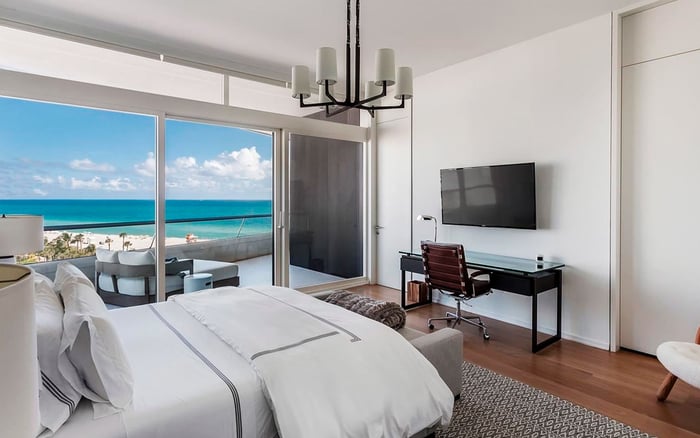
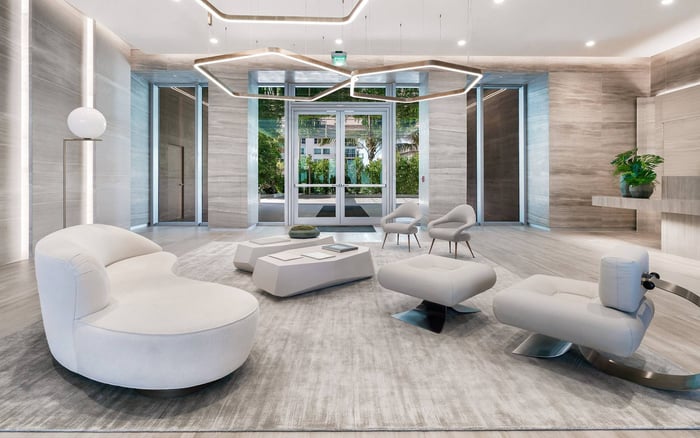
A buyer-focused look at The Perigon Miami Beach and why concierge depth, operational staffing, and service familiarity can matter more than a long amenity checklist in ultra-luxury condominium living.
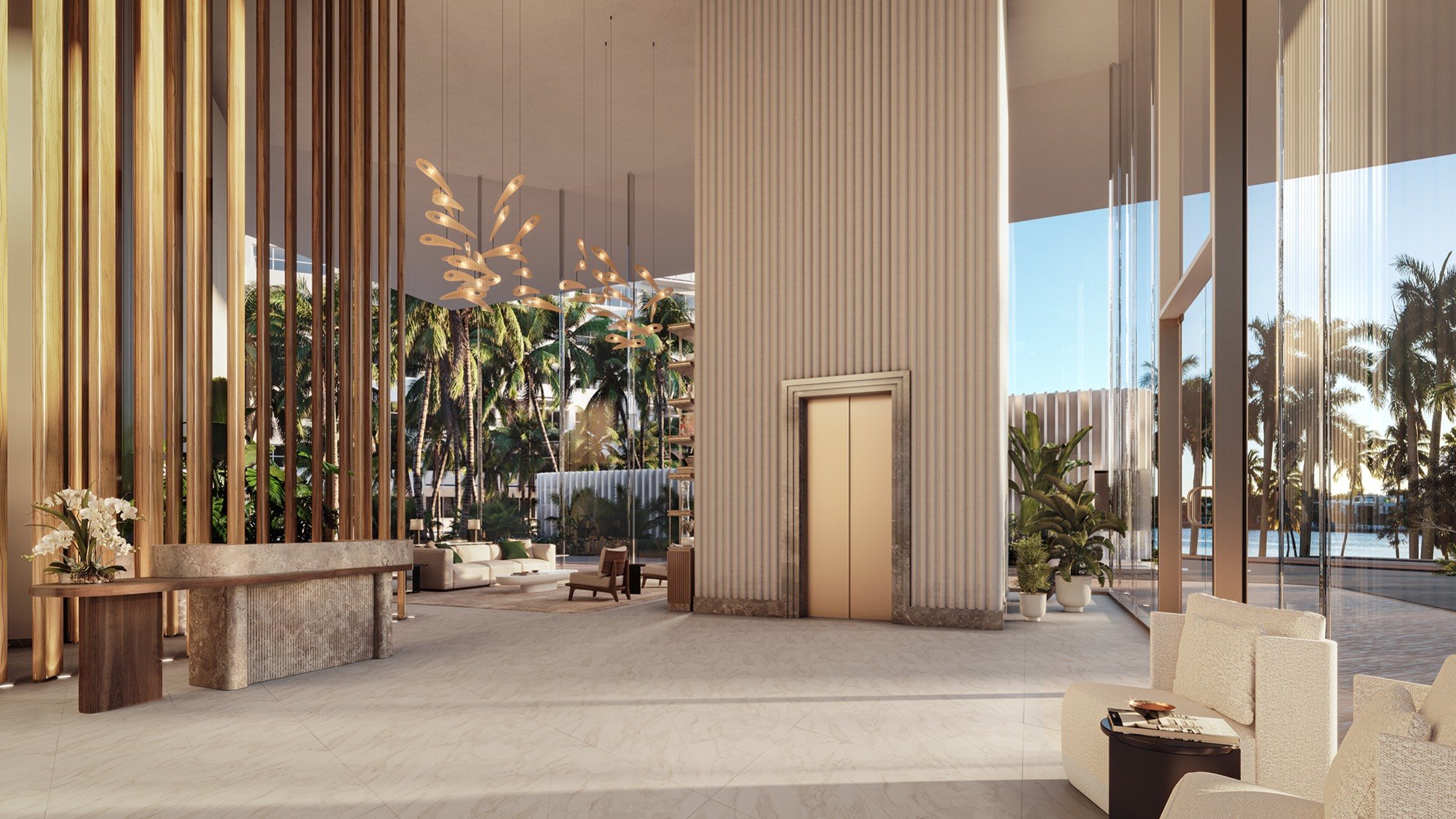
In ultra-luxury condominium buying, the most seductive amenity is often the one that photographs best: a serene pool deck, a dramatic lounge, a private dining room, a spa corridor finished in stone. Yet the daily experience of ownership is usually defined by something less visible. It is shaped by the people who know when you arrive, how you prefer your residence prepared, which vendor should be cleared through security, and when discretion matters more than speed.
That is why The Perigon Miami Beach is such a useful lens for understanding the next phase of Miami Beach luxury. The conversation is not simply about how many amenities a building can list. It is about whether the service model behind those amenities is deep enough to make them function with ease.
The Perigon Miami Beach sits within a market where architectural identity, privacy, and curated lifestyle are central to the value proposition. In that setting, staffing is not a back-of-house detail. It is part of the residence itself, because the difference between a beautiful building and a genuinely luxurious one is often felt in the first ten minutes after arrival.
A long amenity list can create immediate impact, but luxury buyers increasingly understand that spaces are only as valuable as their operational support. A dining room without seamless scheduling becomes just a room. A wellness suite without attentive maintenance becomes a marketing image. A pool environment without polished service can feel less private, less calm, and less residential than intended.
Service depth is what turns real estate into a lived environment. In a properly supported building, the concierge is not merely answering the phone. The front-of-house team is coordinating arrival patterns, communicating with valet, managing access, protecting privacy, and anticipating the invisible logistics that accompany high-net-worth ownership.
This distinction matters across Miami Beach, especially for buyers comparing oceanfront residences such as 57 Ocean Miami Beach with other premium properties. The buyer’s question should not be limited to whether a building offers wellness, dining, spa, pool, or social spaces. The sharper question is whether those spaces will be staffed, scheduled, cleaned, maintained, and protected with the consistency expected at this level.
Boutique does not simply mean smaller. In the best condominium settings, boutique living can mean a more personal service environment, where concierges, valets, and housekeeping teams have a better opportunity to learn resident preferences. That familiarity is difficult to replicate in a property where volume overwhelms memory.
For many owners, especially those who divide time between homes, this familiarity is the difference between checking into a property and returning to a private household. A well-run condominium can feel less like a hotel with owned residences and more like a professionally managed extension of the owner’s own staff. The greeting is informed. The preparation is specific. The handoff between valet, concierge, and residence is quiet.
The Perigon is positioned as a Miami Beach luxury condominium rather than a high-density urban tower, which makes the resident-to-staff relationship especially relevant. In that context, service does not need to be theatrical. It needs to be precise, consistent, and discreet.
Mid-beach and Miami Beach ownership often includes seasonal or intermittent use. That pattern changes what buyers should value. The most important service moment may occur before the owner even walks through the door.
A well-staffed building can better coordinate pre-arrival needs such as stocking a residence, arranging housekeeping, handling luggage, preparing transportation, organizing mail, and confirming vendor access. These tasks are not glamorous, but they define the experience of arriving after a flight, during winter season, or before a major Miami event.
The test becomes more demanding during peak-use periods. Around holidays, high-season weeks, and major cultural or sporting moments, many residents may arrive within compressed windows. Thin coverage can force front-desk or security personnel to absorb lifestyle-management requests, diluting both professionalism and privacy. Deep concierge coverage helps preserve calm when demand rises.
This is where oceanfront ownership reveals its operational complexity. The setting may be serene, but the household logistics are often active: drivers, assistants, private household staff, art installers, stylists, contractors, and service providers may all require controlled access. The luxury is not that everyone can come and go. The luxury is that the right people are cleared in the right way, without noise.
Privacy in a luxury condominium is not only a matter of elevator design or residence separation. It is also a matter of staff training and workflow. Who sees an arrival? Who handles a package? Who knows a guest name? Who understands when not to ask a question?
Buildings that operate at a high level tend to make privacy feel effortless because the process is absorbed by the staff. The owner does not need to over-explain preferences each time. The team remembers. That memory, when handled with discretion, becomes one of the most valuable amenities in the building.
For buyers looking across Miami Beach properties such as Shore Club Private Collections Miami Beach, the service question should be part of every private tour. Beautiful design may establish desire, but operational discipline protects the owner’s daily rhythm.
A smaller, better-supported amenity suite can outperform a larger amenity list if each space is properly staffed, maintained, and easy to use. In practice, residents rarely judge a building by the number of rooms named in the brochure. They judge it by whether the gym is ready, whether the pool feels composed, whether the dining experience is organized, and whether the staff resolves requests before they become interruptions.
This is particularly true in luxury buildings where residences are large and ownership expectations are personal. A buyer may have household staff, advisors, art handlers, drivers, or assistants involved in the residence. The building must function as a secure service platform without feeling institutional.
The strongest properties understand that service is not an accessory to design. It is what allows design to remain calm under use. The lobby stays elegant because the arrival sequence is managed. The spa remains restorative because usage is organized. The dining room feels private because scheduling is thoughtful. The pool feels residential because service supports the space without overwhelming it.
A sophisticated buyer should ask questions that go beyond the amenity inventory. How are arrivals handled during peak season? How does the building coordinate outside vendors? What is the process for residence preparation before an owner returns? How does the concierge team communicate with valet, housekeeping, security, and management?
These questions are not intrusive. They are essential. At the top of the market, the purchase is not only a residence. It is a promise of continuity. Buyers considering Miami Beach properties, including The Ritz-Carlton Residences® Miami Beach, should evaluate whether the service culture feels durable enough for real life, not just impressive during a presentation.
Resale is also shaped by this lived reputation. Residents and real estate professionals remember which buildings operate smoothly and which ones strain under demand. A property that consistently delivers service at a luxury level may protect its standing better than one that relies primarily on visual amenities.
The Perigon Miami Beach illustrates a broader truth about the direction of ultra-luxury condominium living. In the most desirable segment of Miami Beach, the amenity count is no longer the only measure of value. Buyers are becoming more fluent in the invisible infrastructure of ownership.
They want architecture, privacy, and setting, but they also want a building that behaves intelligently. They want staff who understand discretion. They want amenities that are activated with care. They want a home that can be prepared, protected, and managed even when they are elsewhere.
That is the deeper promise of concierge depth. It converts a luxury condominium from a collection of impressive spaces into a residential environment with memory, rhythm, and trust.
Why does concierge depth matter more than amenity count? Amenities create appeal, but staffing determines whether those spaces function smoothly and privately in daily life.
Is The Perigon Miami Beach mainly about service rather than design? The Perigon Miami Beach sits in a market where design, privacy, and service all contribute to the ownership experience.
What does boutique service mean in a luxury condominium? Boutique service usually implies a more personal environment where staff can better learn resident preferences and routines.
Why is seasonal ownership important in Miami Beach? Seasonal owners often need help with arrivals, housekeeping, mail, transportation, residence preparation, and vendor access.
What happens when concierge coverage is too thin? Front-desk or security teams may be pulled into lifestyle tasks, which can weaken privacy, professionalism, and response quality.
Are large amenity suites always better? Not necessarily. A smaller amenity suite with strong staffing and maintenance may feel more luxurious than a larger list with weak operations.
How should buyers evaluate service during a tour? Buyers should ask how arrivals, vendors, housekeeping coordination, peak periods, and owner requests are handled.
Does service quality affect resale value? Yes. Buildings known for consistent service can develop stronger reputations among residents, buyers, and real estate professionals.
Why is oceanfront service especially complex? Oceanfront ownership often combines privacy expectations with active household logistics, guests, staff, drivers, and vendors.
What is the main lesson for Miami Beach buyers? Look beyond renderings and consider how well the building is designed to operate when residents are actually using it.
For a confidential assessment and a building-by-building shortlist, connect with MILLION.
If branded residences are on your mind — as a home or as an allocation — we would be glad to share what we are seeing, privately.
Begin a quiet conversation