A discreet buyer’s guide to comparing Coconut Grove and Bay Harbor Islands through the practical lens of wine storage, cooling resilience, service access, and long-term livability.
For a certain South Florida buyer, the choice between Coconut Grove and Bay Harbor Islands is not simply a matter of scenery. It is a question of how a residence performs when the owner is away, when guests arrive, when a cellar requires stability, and when cooling becomes more than comfort. At this level, wine storage and backup cooling are not afterthoughts. They are part of the home’s operating intelligence.
Coconut Grove offers a lush residential sensibility for buyers who want privacy, mature landscaping, and the possibility of a more tailored domestic life. Bay Harbor Islands offers a quieter island rhythm, boutique scale, and a lock-and-leave character that can be especially compelling for seasonal owners. Both can work beautifully for collectors. The right choice depends on whether your wine program is a showpiece, a serious archive, or a discreet daily pleasure.
For buyers tracking Coconut Grove opportunities, the first conversation should be less about labels and more about systems. A beautiful room is useful only if temperature, humidity, vibration, and backup power are addressed with discipline.
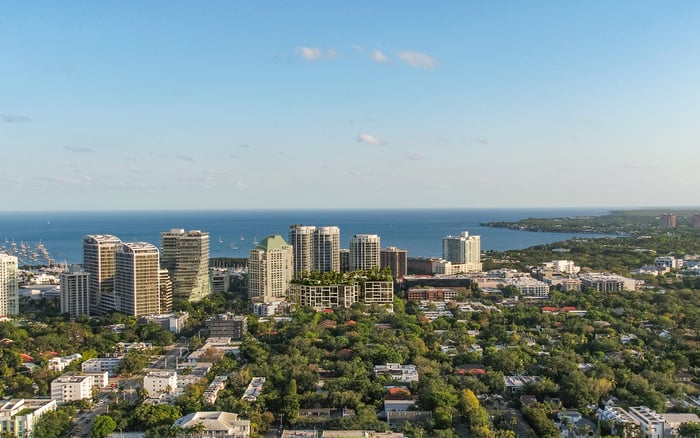
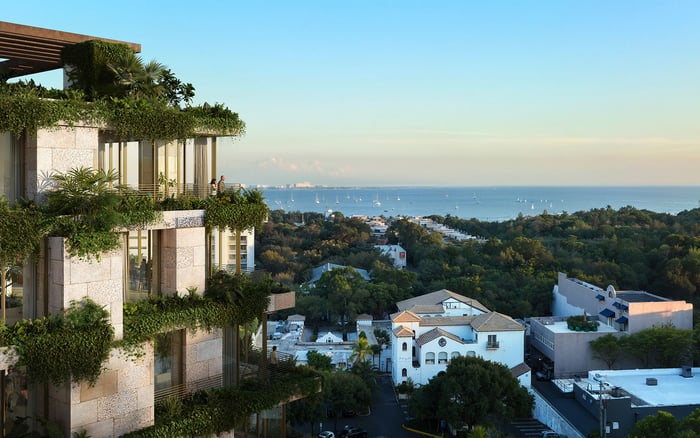
Coconut Grove tends to suit buyers who think of home as a long-form composition. The setting invites garden-facing rooms, shaded entertaining areas, and interiors that can absorb bespoke upgrades without feeling overbuilt. If your collection is expanding, or if you imagine a cellar integrated into a dining room, library, tasting lounge, or back-of-house service sequence, the Grove may offer the more emotionally satisfying canvas.
Residences such as Arbor Coconut Grove speak to buyers who value neighborhood texture and contemporary ease. In this context, wine storage should be planned as part of the residence’s mechanical logic, not merely as cabinetry. Ask whether the intended wine zone can be independently conditioned, whether it is insulated from heat gain, and how service professionals would access it without disrupting the household.
At the upper end, Four Seasons Residences Coconut Grove will naturally draw buyers who expect hospitality-level polish. That expectation should extend to contingency planning. Backup cooling may involve different layers, from essential common-area systems to residence-level solutions, and the distinction matters. A collector should understand exactly what remains powered, for how long, and under what conditions.
The Grove is also compelling for owners who may want a more architectural approach to storage. A visible wine wall can anchor an entertaining space, while a concealed cellar can protect value without announcing itself. The key is restraint. In South Florida, the most elegant wine rooms are often the most technically disciplined.
Bay Harbor Islands will appeal to buyers who want intimacy without isolation. The residential scale is polished yet understated, and the island setting gives many homes and condominiums a sense of separation from the mainland pace. For those using Miami as one residence among several, Bay Harbor living can feel especially practical: refined, manageable, and less performative.
In a boutique building, the wine question often becomes one of fit. Is the collection modest enough for a high-performance wine column, or does it require a dedicated room? Can a secondary cooling system be accommodated within the residence? Are building rules friendly to specialized installation, drainage, insulation, and maintenance access? These are not glamorous questions, but they protect the owner from expensive compromises later.
Projects such as Bay Harbor Towers and Onda Bay Harbor sit naturally in conversations about boutique island living. A buyer considering them should compare not only view, plan, and finish, but also the less visible hierarchy of infrastructure: generator capacity, mechanical room placement, elevator reliability planning, and the ability to preserve conditioned interiors during interruptions.
Bay Harbor Islands may be particularly persuasive for collectors who want ease. If the collection is curated rather than vast, a well-specified in-residence system may be sufficient. If the collection is investment-grade, the buyer may need deeper technical review before assuming that a residence can support true cellar conditions.
Backup cooling is one of the least romantic and most consequential parts of a luxury purchase. The question is not simply whether a building or home has a generator. The question is what the generator supports. Does it preserve only life-safety systems and selected common areas, or can it help maintain residence-level cooling? Are individual HVAC components included, excluded, or eligible for supplemental backup? What happens to a dedicated wine system if power is interrupted?
For a collector, the ideal due diligence team includes the sales professional, property manager or building representative, HVAC specialist, and wine storage designer. The goal is not to create anxiety. It is to establish an operating standard before contracts, deposits, or custom millwork enter the picture.
A useful approach is to divide systems into three categories. First, human comfort: the ability to keep bedrooms and main living areas habitable. Second, asset protection: refrigeration, wine storage, art-sensitive rooms, and humidity control. Third, access and service: elevators, garage systems, security, and building staff protocols. Coconut Grove and Bay Harbor Islands can each satisfy these priorities, but not every residence will do so in the same way.
A wine feature may look flawless in renderings and still fail the collector’s test. Ask where the glass faces, how much direct light or heat it receives, whether mechanical noise is controlled, and whether vibration from adjacent systems has been considered. Ask whether the system is designed for short-term display, long-term storage, or both.
Humidity matters as much as temperature. So does recovery time after a door is opened. If the residence will host often, a display wall near entertaining areas may be useful, but the deeper collection may belong in a more protected zone. Serious buyers often separate ready-to-pour bottles from long-hold inventory, giving each a different storage strategy.
The Well Coconut Grove underscores a broader point: wellness-minded luxury is increasingly operational. Air, temperature, sound, privacy, and resilience all shape how a home feels over time. Wine storage belongs in that same conversation.
Choose Coconut Grove if you want a more layered residential environment and expect to customize around lifestyle rituals. It is well suited to owners who entertain at home, value privacy, and want wine storage to become part of the architecture. It may also suit buyers who need more flexibility for separate cooling zones, service routes, or expanded storage concepts.
Choose Bay Harbor Islands if you want boutique convenience, island composure, and a more efficient luxury footprint. It can be ideal for the buyer who wants a curated collection, strong building management, and a residence that remains elegant even when used seasonally. The best Bay Harbor choice is often the one that balances intimate scale with transparent infrastructure.
The final decision should be made with a checklist, not a mood board. Confirm generator scope. Confirm HVAC zoning. Confirm wine-system specifications. Confirm maintenance access. Confirm what happens when the residence is vacant. The best luxury address is the one that protects pleasure quietly.
Is Coconut Grove better for a large wine collection? It may be, especially if you want more customization and a cellar integrated into the home’s architecture, but the specific residence still needs to be evaluated.
Is Bay Harbor Islands better for seasonal owners? It can be attractive for buyers seeking boutique scale and lock-and-leave ease, provided building systems meet the owner’s expectations.
Should I ask if a generator powers the wine cellar? Yes. Ask exactly what backup power supports, because generator coverage can vary by building, residence, and system type.
Can a wine wall replace a true cellar? Sometimes, for display and short-term storage. Serious collections usually need tighter temperature, humidity, and light control.
What is the first technical question to ask? Ask whether the wine storage area can be independently conditioned and protected during a power interruption.
Are humidity controls important in South Florida? Yes. Temperature alone is not enough for proper preservation, especially when bottles are held for longer periods.
Should I involve a specialist before buying? For meaningful collections, yes. A wine storage designer and HVAC professional can identify constraints before customization begins.
Does a boutique building make wine storage harder? Not necessarily. It simply makes early review of installation rules, mechanical capacity, and service access more important.
How should I compare two otherwise similar residences? Give weight to backup power, HVAC zoning, maintenance access, and management responsiveness alongside views and finishes.
Can MILLION help compare these neighborhoods? Yes. A focused search can align lifestyle, infrastructure, and collection needs before you commit.
For a tailored shortlist and next-step guidance, connect with MILLION.
If branded residences are on your mind — as a home or as an allocation — we would be glad to share what we are seeing, privately.
Begin a quiet conversation