A buyer-focused look at how coastal construction pauses, CCCL review, local zoning, and resilience policy can reshape luxury view-corridor risk across the Miami Beach area.
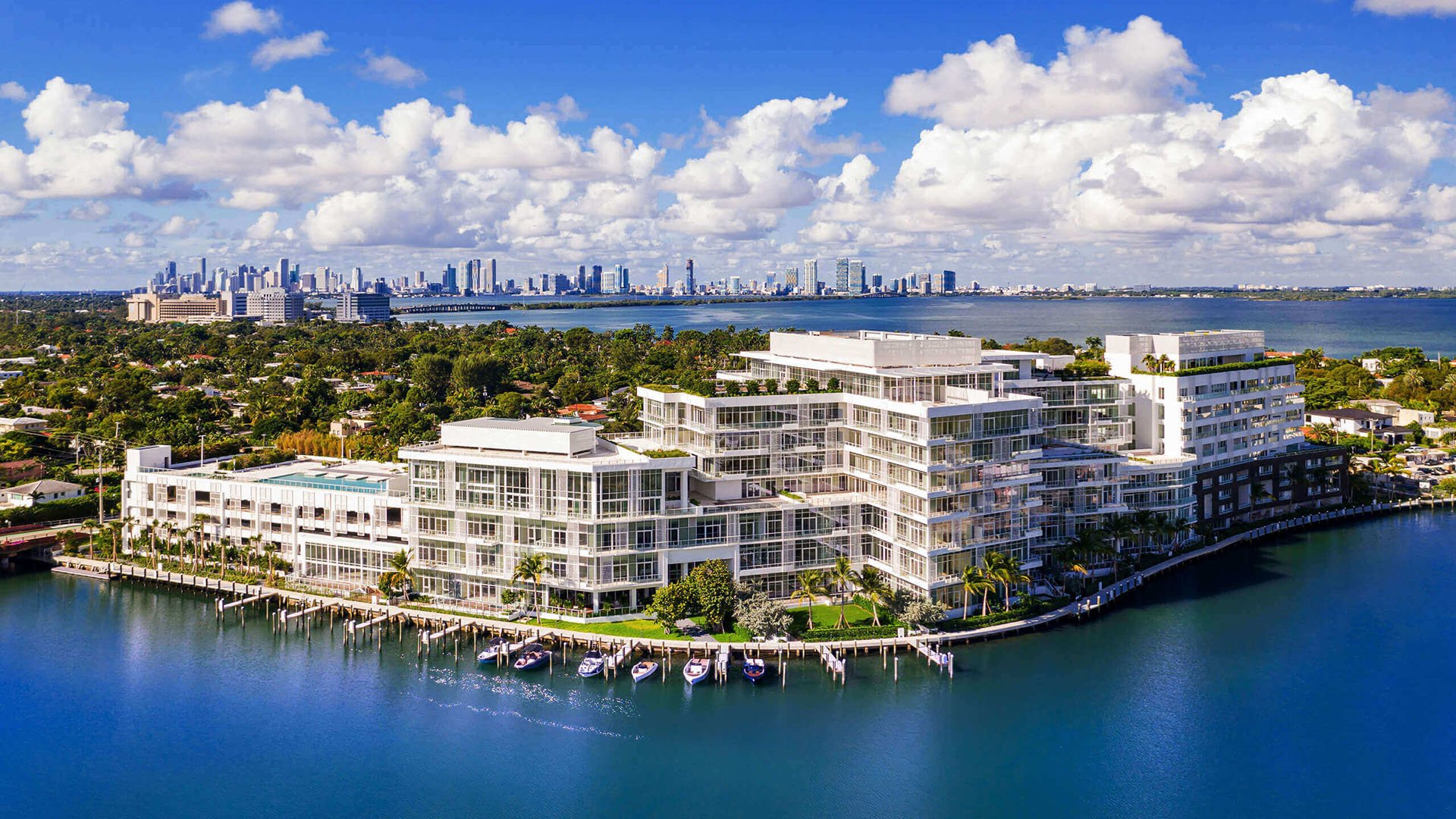
For Miami Beach luxury buyers, a view is rarely just a visual amenity. It is a pricing instrument, a negotiation point, and often the quiet distinction between a trophy residence and one that is simply well located. Ocean, bay, and skyline sightlines shape how a property lives at sunrise, how it entertains at dusk, and how it may trade years later.
That is why coastal construction moratoriums, even when temporary, merit close attention. A moratorium is not the same as Florida’s Coastal Construction Control Line, often called the CCCL. The CCCL is a state coastal regulatory framework that governs construction seaward of established coastal control lines and is intended to protect beach and dune systems while reducing storm-related risk to upland structures and properties. A moratorium, by contrast, is typically a local pause on certain approvals while policy is studied, rewritten, or reconciled with broader planning goals.
The practical consequence is subtle but powerful. A pause may delay a nearby project that could narrow a residence’s ocean view. It may also reset the entitlement calendar for a development site whose value depends on future height, massing, or lot coverage. In the Miami Beach area, where new-construction demand intersects with fragile coastal conditions, the market increasingly rewards buyers who understand both the view and the rules behind it.
Miami Beach oceanfront development operates within a layered approval environment. A project may require state coastal construction review if it falls seaward of the CCCL, along with city zoning, building permits, design review, and, in some locations, historic-preservation review. Each layer can influence what gets built, when it gets built, and how much sky, water, or horizon remains visible from a neighboring residence.
Local land-development rules are especially important because they shape height, setbacks, massing, lot coverage, and site planning. These are the controls that most directly determine whether a corridor between buildings stays open or becomes compressed. In luxury real estate, “view corridor” is often used commercially, but practical protection usually comes from these technical controls rather than from a broad promise that a view will remain intact.
This is why buyers comparing buildings such as 57 Ocean Miami Beach and The Perigon Miami Beach should look beyond the current panorama. The more durable question is whether surrounding parcels can be redeveloped, how the city’s land-use rules frame that redevelopment, and whether any temporary pause could delay or reshape future approvals.
For an existing owner, a coastal construction moratorium can create breathing room. If a proposed neighboring project is paused, the owner may enjoy a longer period of unobstructed ocean, bay, or skyline exposure. That can be meaningful in a market where prospective buyers often assign both emotional and financial weight to uninterrupted water views.
The effect can carry into negotiations. A seller with a currently open corridor may benefit if competing development risk appears delayed. A buyer may still discount the property if the pause is temporary and the underlying zoning continues to allow future construction. Appraisers and advisors may therefore treat a moratorium not as permanent protection, but as a timing variable that affects confidence.
For high-floor residences, the concern often centers on skyline and horizon lines. For lower-floor residences, setbacks, podium design, landscaping, and public-realm conditions may matter just as much. Oceanfront and waterview buyers should consider both vertical and horizontal exposure, because a building that does not fully block the ocean may still alter privacy, light, or the perceived width of a corridor.
The same pause that benefits an existing owner may pressure a developer or landowner. If approvals are frozen, carrying costs continue while entitlement certainty weakens. Financing assumptions may become less predictable. Architectural massing may need to be revisited if policy changes during the pause.
For owners of redevelopment sites, the issue is not only delay. It is the possibility that future allowable height, setbacks, or site-planning expectations may shift. In a coastal jurisdiction, long-term planning must account for flood risk, storm surge, sea-level-rise exposure, and resilience policy, not only conventional zoning metrics. A moratorium can therefore signal a broader recalibration of how the city expects coastal parcels to perform over time.
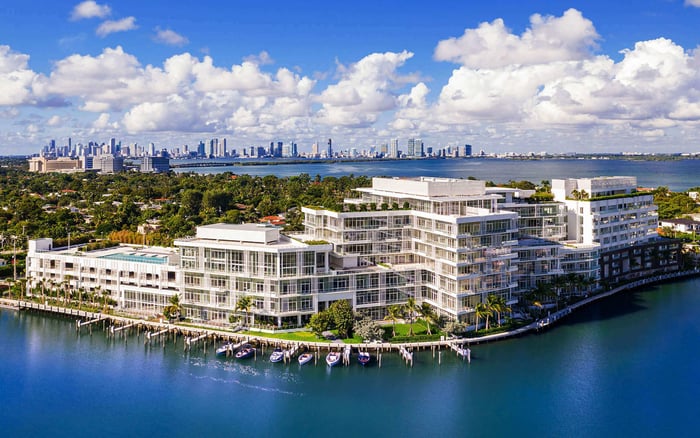
This dynamic is especially relevant near established luxury enclaves and boutique oceanfront corridors. A purchaser considering a residence at The Ritz-Carlton Residences® Miami Beach may be focused on lifestyle, privacy, and architectural refinement, but the surrounding regulatory context remains part of the asset’s long-term risk profile.
View-corridor analysis should be granular. A broad Miami Beach label can obscure meaningful differences between oceanfront, bayfront, historic districts, and transitional sites. One parcel may sit within a highly constrained coastal condition, while another nearby site may offer more redevelopment flexibility subject to local review.
In South Beach, the relationship among existing buildings, beach access, setbacks, and historic fabric can make future changes especially nuanced. Where established residences meet hospitality or redevelopment parcels, the risk is often not a single tower appearing overnight. It is a multi-year sequence of applications, reviews, design modifications, and possible policy pauses.
Buildings such as Apogee South Beach and Shore Club Private Collections Miami Beach illustrate why buyers often think in terms of micro-location rather than neighborhood name alone. A corner exposure, a diagonal ocean angle, or a bay-facing terrace can carry different future risk depending on what sits across the street, beside the parcel, or between the residence and the water.
A refined acquisition strategy begins with the view as it exists today, then tests the rules that could change it. The first question is whether nearby parcels are seaward of the CCCL and therefore subject to state coastal construction permitting in addition to local approval. The second is how city rules govern height, setbacks, massing, lot coverage, and site planning around the property.
Buyers should also ask whether any recent or possible regulatory pause could affect approval timing. A moratorium may improve near-term enjoyment but leave longer-term uncertainty unresolved. Conversely, the absence of a moratorium does not mean a view is vulnerable if surrounding zoning and coastal controls are already restrictive.
The most sophisticated buyers treat a view corridor as a legal, physical, and market asset. Legal, because rules determine what can be built. Physical, because angles and elevations matter. Market-based, because confidence in the durability of a view influences value. In this segment, discretion is not only about privacy. It is about understanding what the skyline may permit next.
Is a coastal construction moratorium the same as the CCCL? No. The CCCL is an ongoing state coastal construction control framework, while a moratorium is typically a temporary pause on certain approvals.
Can a moratorium permanently protect my Miami Beach view? Usually not by itself. It may delay nearby construction, but durable protection depends on zoning, setbacks, height rules, and other land-use controls.
Why does the CCCL matter to luxury buyers? Construction seaward of the CCCL generally requires state coastal construction permitting, which adds another layer of review for coastal projects.
What local rules most affect view corridors? Height, setbacks, lot coverage, massing, site planning, design review, and historic-preservation rules can all influence future sightlines.
Can a temporary pause increase resale leverage? It can support near-term confidence if a nearby project is delayed, though buyers may still price in future redevelopment risk.
How can a moratorium hurt a development site? It can freeze entitlement timing, increase carrying costs, and create uncertainty over future permissible height or massing.
Do ocean views and bay views face the same risk? Not always. Each corridor depends on parcel geometry, neighboring sites, elevation, setbacks, and the applicable coastal or zoning controls.
Should buyers evaluate sea-level-rise policy too? Yes. Long-term coastal planning in Miami Beach is shaped by flooding, storm surge, resilience, and sea-level-rise considerations.
Are high-floor residences immune from view obstruction? No. High floors may reduce some risks, but future height, massing, and skyline changes can still affect horizon and city views.
What is the best due-diligence approach before purchasing? Review state coastal exposure and local land-use controls together, then assess nearby redevelopment potential block by block.
To compare the best-fit options with clarity, connect with MILLION.
If branded residences are on your mind — as a home or as an allocation — we would be glad to share what we are seeing, privately.
Begin a quiet conversation