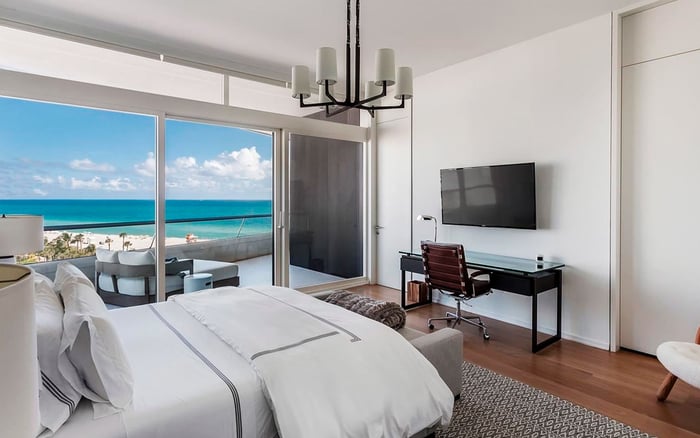
For collectors purchasing in Miami Beach, closing readiness should include a separate plan for art. Set collection-specific light limits, measure UV independently, resolve mounting questions, and examine insurance wording before installation.
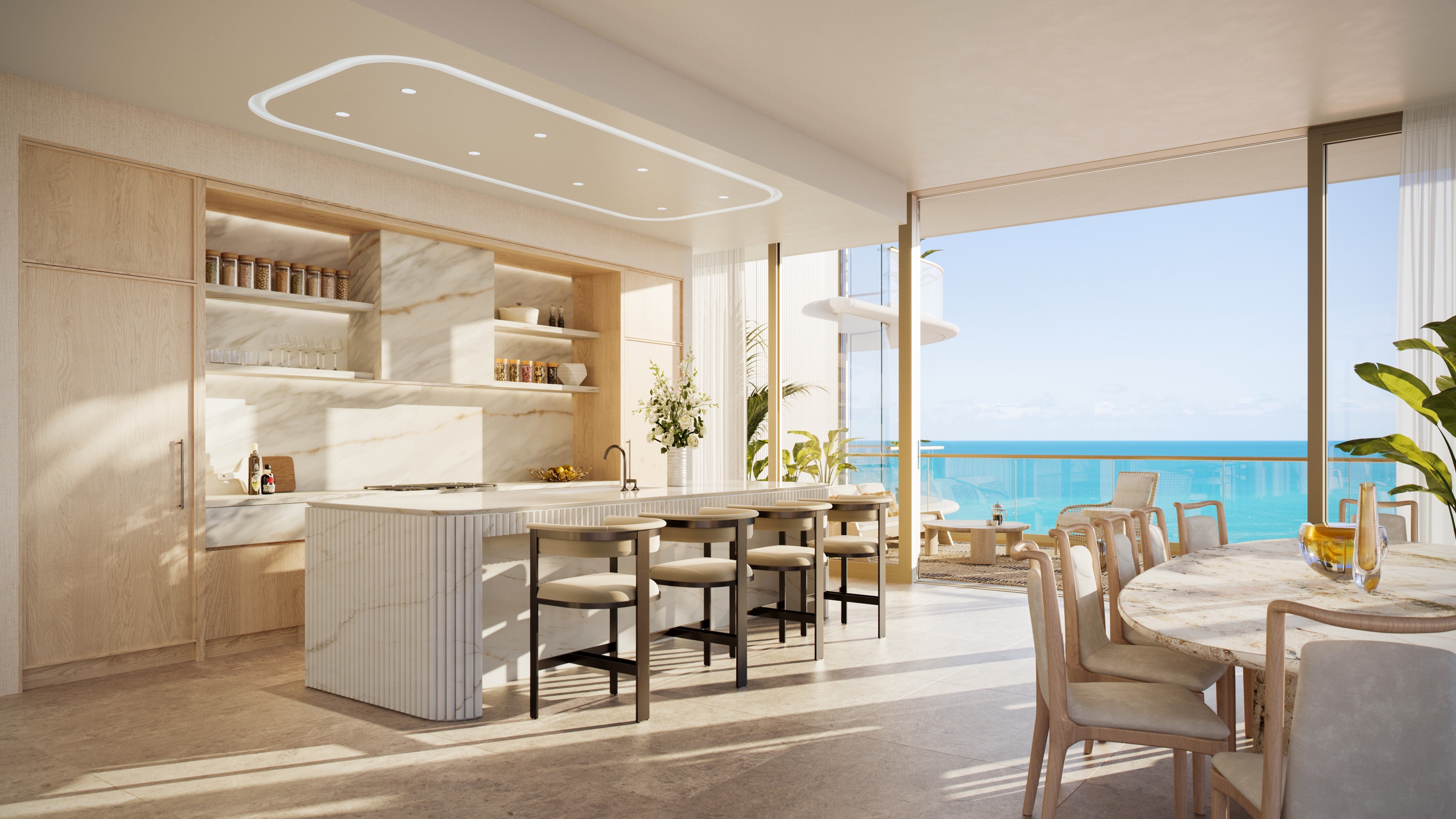
A Miami Beach residence can be ready for ownership before it is ready for a collection. For a buyer choosing rooms around paintings, photographs, textiles, or sculpture, the period before installation deserves its own brief: how the works will be illuminated, how daylight will be controlled, where they can be mounted, and what the insurance will actually cover.
Treat museum-grade care as a planning discipline, not a decorative specification. A beautifully lit room is not necessarily a suitable environment for every object it contains. Nor does a completed purchase mean that the collection's mounting and coverage questions have been resolved.
Whether considering Faena House Miami Beach or another residence, separate the purchase checklist from the collection checklist. These recommendations concern conservation and installation planning; they are not Miami Beach building-code provisions or legal prerequisites to closing.
Before choosing fixtures or finalizing display walls, prepare an object-by-object brief. Identify each work's materials, proposed location, and expected display schedule. Ask a conservator to assess vulnerable or mixed-material works rather than assigning every piece the same lighting target.
Useful conservation benchmarks distinguish three broad groups:
Highly sensitive objects: Textiles, watercolors, photographs, and other paper-based objects have a recommended maximum of 50 lux.
Moderately sensitive objects: Oil paintings, wood, and leather have a recommended maximum of 150 lux.
Relatively light-stable objects: Approximately 300 lux is a traditional benchmark for materials such as stone, metal, glass, and ceramics.
These figures are not interchangeable, and 300 lux is not a blanket target for a mixed collection. The lower figures are not guarantees against deterioration, either. For light-sensitive materials, there is no safe light level below which damage cannot occur.
For a buyer evaluating The Perigon Miami Beach, a useful exercise is to mark prospective art locations on the residence plan, then test those choices against the needs of the intended works. This is an evaluation approach, not a claim about the property's lighting specifications.
Light damage is proportional to illuminance multiplied by exposure time. Both lower brightness and fewer display hours matter. A lighting scheme that respects a lux benchmark but remains on throughout an unoccupied day still adds unnecessary exposure.
Build the lighting brief around use: viewing, entertaining, and periods when the collection area is empty. Turning lights off when rooms are unused, including through motion sensors, can reduce exposure without compromising enjoyment when the residence is occupied.
Ask the lighting team to measure illumination at the proposed display locations rather than relying on how bright the room feels. During commissioning, compare the intended viewing setting with the settings used for general room lighting. The objective is a repeatable arrangement that household staff and residents can operate consistently.
Lux does not describe the whole light environment. Ordinary light meters generally measure visible illumination; UV assessment requires a UV meter. A low lux reading is not evidence that UV content has also been controlled.
For sensitive and moderately sensitive collections, 0-10 µW/lm is ideal, with 75 µW/lm as the maximum UV content. Specify this separately from visible-light limits. LEDs are not automatically harmless: visible light from any source can fade vulnerable surfaces, and any UV component should be filtered regardless of lamp type.
At the windows, consider UV-filtering materials alongside shades or curtains. Close shades during periods of intense daylight. UV filtration does not remove the need to manage visible-light exposure.
When reviewing a residence at 57 Ocean Miami Beach, make window treatments and art placement part of the same discussion. Request measurements at the intended display locations rather than treating a project name, glazing description, or lamp label as proof of collection suitability. Plan how those controls will operate when the home is unoccupied as well as during a visit.
Wall loading calls for a property-specific assessment, not a universal number. An attractive finish or a generous stretch of wall does not confirm that a particular work can be mounted there.
Prepare the installation brief with the artwork's weight, dimensions, and proposed location. Ask the installation team to assess the wall and mounting approach, and establish whether additional technical advice is appropriate. Confirm with the property's representatives what documentation or permissions, if any, apply to the proposed work.
These are recommended questions, not assertions about mandatory structural sign-offs, anchor specifications, or condominium alteration rules. Do not commit to a mounting capacity until the actual conditions have been assessed.
For a purchase at Five Park Miami Beach, the same principle applies: assess the intended installation on its own merits. Keep unresolved mounting questions explicit in the move-in plan rather than allowing a preferred delivery date to dictate the installation decision.
Standard homeowners insurance may provide limited fine-art protection. Evaluate specialist collection coverage rather than assuming that insuring the residence adequately insures its contents.
Some specialist products offer flood and hurricane coverage, but availability does not confirm protection for a particular Miami Beach address. An all-risk label does not mean unconditional coverage. Natural-disaster losses can be governed by specific policy terms, and flood exclusions can depend on location. Some collection products exclude Flood Zones A and V despite advertising flood coverage more generally.
Ask the insurance adviser to review the actual address and proposed policy wording together. Request clear answers about flood, hurricane, and any conditions affecting those losses. Separately, ask whether transit, installation, and restoration are covered; none should be presumed from a broad product description. Confirm when any agreed protection begins relative to the collection's arrival.
Before installation, consolidate the decisions in one working document: object-specific light targets, separate visible-light and UV measurements, daylight controls, operating schedules, assessed mounting arrangements, and insurance confirmations. Identify which decisions remain open and who will resolve them.
The goal is not to turn a home into a museum. It is to make collection care deliberate enough that the interiors can remain effortless in daily use. Closing establishes the next chapter of ownership; collection readiness helps determine how thoughtfully that chapter begins.
For a considered approach to your next Miami Beach residence, explore MILLION.
If branded residences are on your mind — as a home or as an allocation — we would be glad to share what we are seeing, privately.
Begin a quiet conversationNo. The lux and UV figures are collection-care guidance, not Miami Beach building-code provisions or legal prerequisites to closing.
Highly sensitive materials, including photographs, watercolors, textiles, and other paper-based objects, have a recommended maximum of 50 lux. That limit does not eliminate the possibility of light damage.
The broad conservation benchmark for oil paintings, wood, and leather is a maximum of 150 lux. Vulnerable or mixed-material works merit individual assessment.
Approximately 300 lux is a traditional benchmark for relatively light-stable materials such as stone, metal, glass, and ceramics. It is not an appropriate blanket target for a mixed collection.
Light damage is proportional to illuminance multiplied by exposure time. Reducing brightness and switching lights off when collection areas are unused both reduce cumulative exposure.
No. Visible light from any source can fade vulnerable materials, and any UV component should be filtered regardless of lamp type.
Ordinary light meters generally measure visible illumination; UV assessment requires a UV meter. For sensitive and moderately sensitive collections, guidance identifies 0–10 µW/lm as ideal and 75 µW/lm as the maximum UV content.
Have the actual wall and proposed mounting approach assessed using the work's weight, dimensions, and intended location. Confirm any applicable property documentation or permissions rather than assuming a universal mounting capacity.
No. Standard homeowners policies may provide limited fine-art protection, making specialist coverage worth evaluating against the collection's needs.
No. Some specialist products offer those protections, but terms and location-specific exclusions matter, including exclusions for Flood Zones A and V in some products.